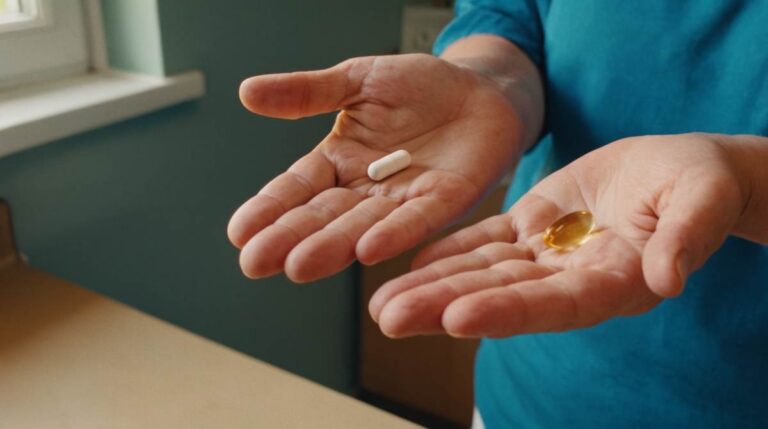
Your search tab is open on a list of pills and powders, each one promising the recall that slipped away mid-paragraph, and not one line tells you which claim has an approval behind it. You have copied two of the lines into your notes and closed the tab twice. The list leaves the harder question open: did the material never get in, or did it get in and simply refuse to come back when you needed it?
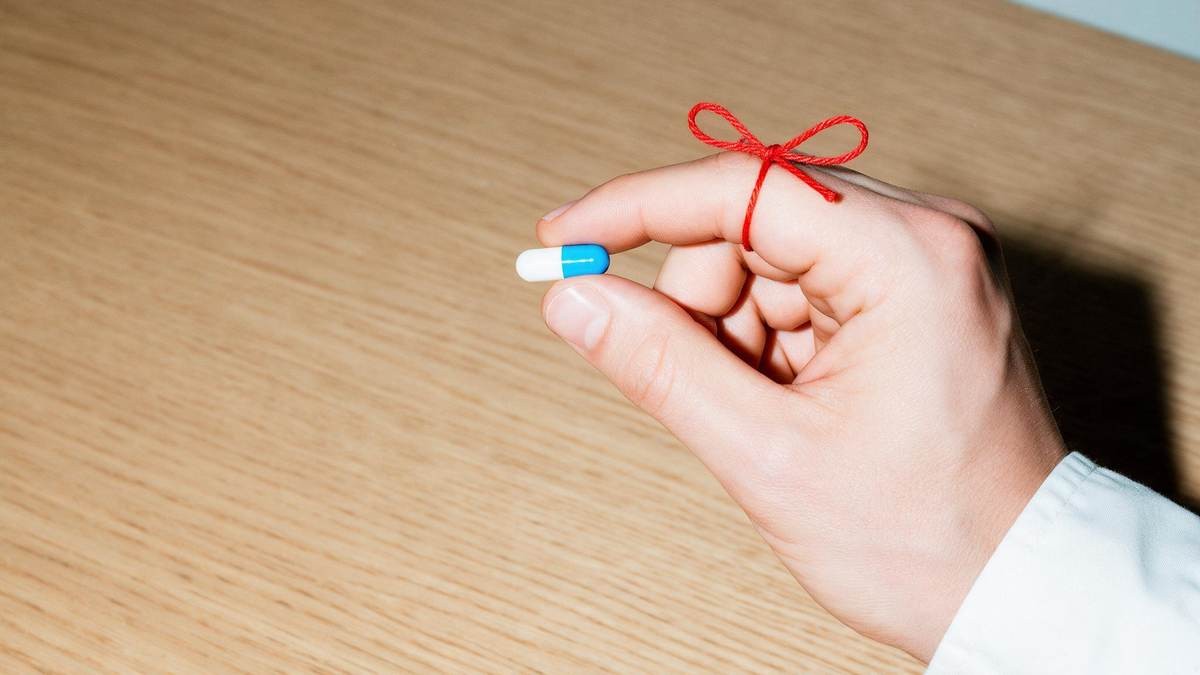 Does this capsule really help memory?What the all-nighter actually writes downWatch the video on how attention and memory part ways the night before an exam.
You have read the same paragraph over and over and the name at the end of it is still not there. The mug has gone cold beside your elbow, the highlighter is uncapped and drying, and the sentence you were certain you studied will not come back however hard you lean on it. So you type into the search box the question everyone types when this happens. Here is the answer. No prescription drug is approved to improve memory in healthy adults. The drugs used in memory clinics are approved for Alzheimer’s disease, where they treat symptoms and do not cure anything. The drugs approved for attention are approved for attention disorders. Supplements sit outside that system entirely: dietary supplements are not approved by the FDA before they are sold, and the most promoted ones have not been shown to help a healthy adult remember more.
What the approved drugs are for
Approval attaches to a condition, not to a wish. A prescription drug reaches the market for a named use with evidence behind it, and no such use is having a healthy adult remember more. The drugs used in memory clinics are for Alzheimer’s disease, where they ease symptoms for a while and do not cure anything. The drugs prescribed for attention treat attention, which leaves your search sitting in an empty space.
Cholinesterase inhibitors. Approved for: symptoms of Alzheimer’s disease. For memory: modest symptom relief, not a cure. Memantine. Approved for: moderate to severe Alzheimer’s symptoms. For memory: symptom relief only. Prescription stimulants. Approved for: ADHD. For memory: attention and alertness in the person prescribed them, not a stronger record of what you studied. Main risks: side effects on the label, plus misuse when the bottle is not yours.
Prescription omega-3 products. Approved for: very high triglyceride levels alongside diet. For memory: nothing, they are not approved for memory. Main risks: unpleasant taste, bad breath, headache and digestive symptoms. Ginkgo and other supplements. Approved for: nothing, dietary supplements are not approved by the FDA before sale. For memory: not shown to help healthy people. Main risks: bleeding risk alongside anticoagulants such as warfarin, plus dizziness, headache and digestive symptoms.
The cost lands in the studying itself. You read the same chapter over and over, and the term still will not come back during the exam, so you go looking for the pill instead of testing yourself again. Then you avoid the readings that demand memory, skip the study group where you would have to explain a concept out loud, and keep notes on things you once knew cold.
Why stimulants feel like the answer
Someone always has a friend who takes one before finals, and the story is always the same: everything gets sharper. What the drug is approved to do is treat ADHD, where attention is the problem being treated. In a person without that condition the effect is wakefulness and a narrower tolerance for boredom, which is why an all-nighter feels productive while the material goes in shallow. Nothing about that state writes the material down more firmly.
Attention decides what you look at. Memory decides what comes back later, weeks after the night you spent on it. The first is not a guarantee of the second, and a stimulant buys you only the first, while the exam asks about the second.
The desk also keeps a recording of this same argument for anyone who would rather listen than read, so you can watch the full video whenever the screen gets heavy.
The supplement everyone asks about first
Ginkgo has been tested more than almost anything else on the shelf, and the results have not followed the claim. In the Ginkgo Evaluation of Memory study, more than 3,000 people age 75 or older with normal cognitive function or mild cognitive impairment were randomly assigned to take a ginkgo supplement or a placebo for a median of 6 years, with no difference between the groups in rates of dementia of any type or Alzheimer’s disease. Reviews land in the same place: no conclusive evidence that ginkgo is helpful for any health condition.
What each option is approved for
| Option | Approved for | What it does for memory |
|---|---|---|
| Cholinesterase inhibitors | Symptoms of Alzheimer’s disease | Modest symptom relief, not a cure |
| Memantine | Moderate to severe Alzheimer’s symptoms | Symptom relief only |
| Prescription stimulants | ADHD | Attention and alertness, not a stronger record |
| Prescription omega-3 products | Very high triglycerides alongside diet | Nothing, they are not approved for memory |
| Ginkgo and other supplements | Nothing, supplements are not FDA-approved before sale | Not shown to help healthy people |
For healthy people the picture is thinner still. It is uncertain whether ginkgo influences cognitive performance in healthy people, and much of that research is of low quality. On safety, ginkgo leaf extract is generally well tolerated, though dizziness, headache and digestive symptoms are common, and it may increase the risk of bleeding in people taking anticoagulants such as warfarin. It interacts with other medicines, so talk with your health care provider before adding it to anything else you take.
Does eating fish beat taking a capsule?
For some conditions the evidence behind seafood is stronger than the evidence behind omega-3 supplements. Other nutrients in seafood may play a part, people may be eating it instead of less healthful foods, and those who eat seafood tend to have healthier lifestyles overall. That is a case about food and what replaces it, and it does not transfer to a capsule.
Reviews of omega-3s and the brain point in two directions at once. One suggests a possible protective effect in healthy people without preexisting Alzheimer’s disease or dementia, and no effect on cognition in people already diagnosed. For ADHD, a review of supplements in children and adolescents did not find evidence that symptoms are likely to improve. Neither result makes a capsule a memory tool for a healthy adult, and the evidence stays thin.
Underneath the slip is a larger question this page leaves open: whether the material failed to get in, or failed to come back out when you needed it. A quiet desk and a crowded exam feel the same from the inside, and we do not decide here which one you are dealing with.
When to see a doctor instead
A slip you notice once is not the same as a change that keeps going. If a memory problem persists or gets worse, or it interferes with work, driving, bills or the ordinary running of a household, see a doctor rather than shopping for an answer. Memory trouble has several causes rather than one, and sorting them takes an examination, a history and often lab work that no supplement aisle contains.
Do not start, stop or change a prescribed medicine on your own in the hope of sharpening your recall. The drug you already take may be part of the picture, and your prescriber is the one who can weigh it. If a change comes on suddenly, with a severe headache, confusion, weakness, trouble speaking or a fall, call 911 or get to the emergency room.
The choice in front of you still depends on your own history and your own medicines, and that belongs with a doctor who knows both. There is a recorded version of this piece for later in the day, when you would rather not scroll: watch the full video and sit with it.
Everything on Supplements & food →
▶ Watch the memory video