Why some days clear and others stay cloudy
Sleep, stress, a low-energy afternoon: what usually feeds the haze, what it is not, and the first thing worth changing.
The most frequently asked questions
The ones we hear about most. Each has a page of its own.
 Your nootropic may not fit the testWhat do nootropics actually do?The term arrived with a short list of strict rules. Which labels used today still meet them?
 Glasses in the sugar? Read this firstWhich changes appear first in dementia?The signs physicians watch for, each paired with the ordinary slip it resembles.
 Memory slips? Not every game trains itDo brain games give memory real practice?Play gets easier with time. The open question is whether anything beyond the game changes.
 Short-term memory loss or normal aging?Why does short-term memory slip?Everyday cases before the common explanations. Which of them gets checked first?
 Forgot what you came for? Read thisDoes ordinary aging come with forgetfulness?Certain lapses increase over time. Others hold steady, and those deserve attention.
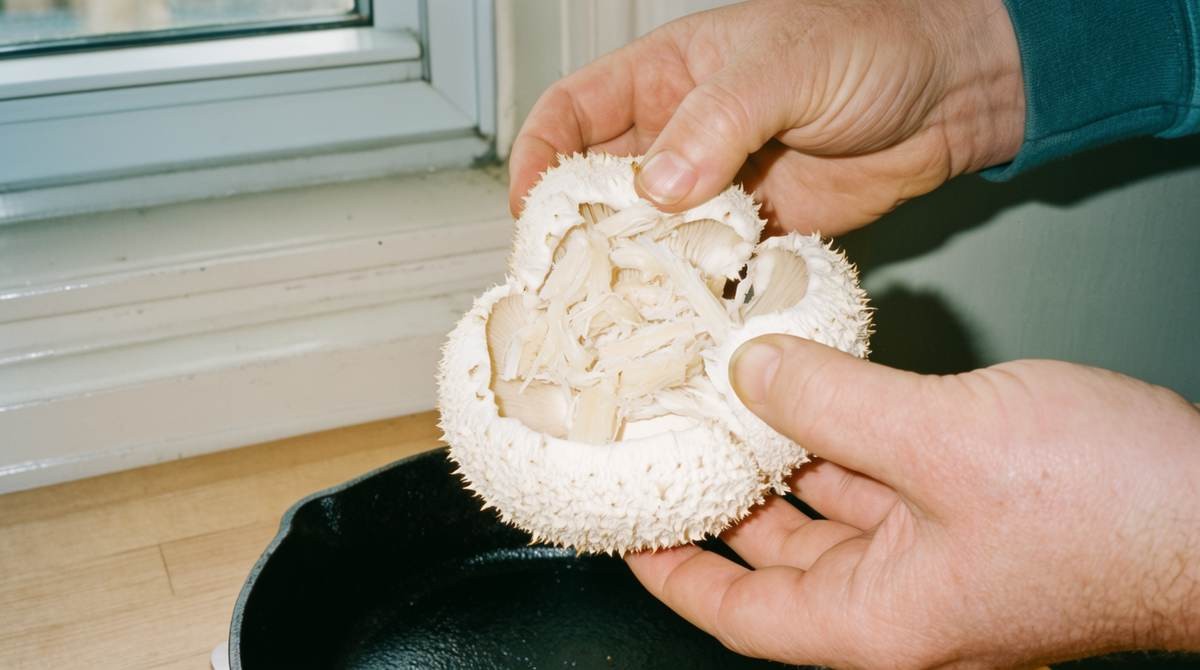 Does this mushroom help memory?How much does lion’s mane really do?Long a tradition of its own, short on measurement. Here is what research has found.
Other questions
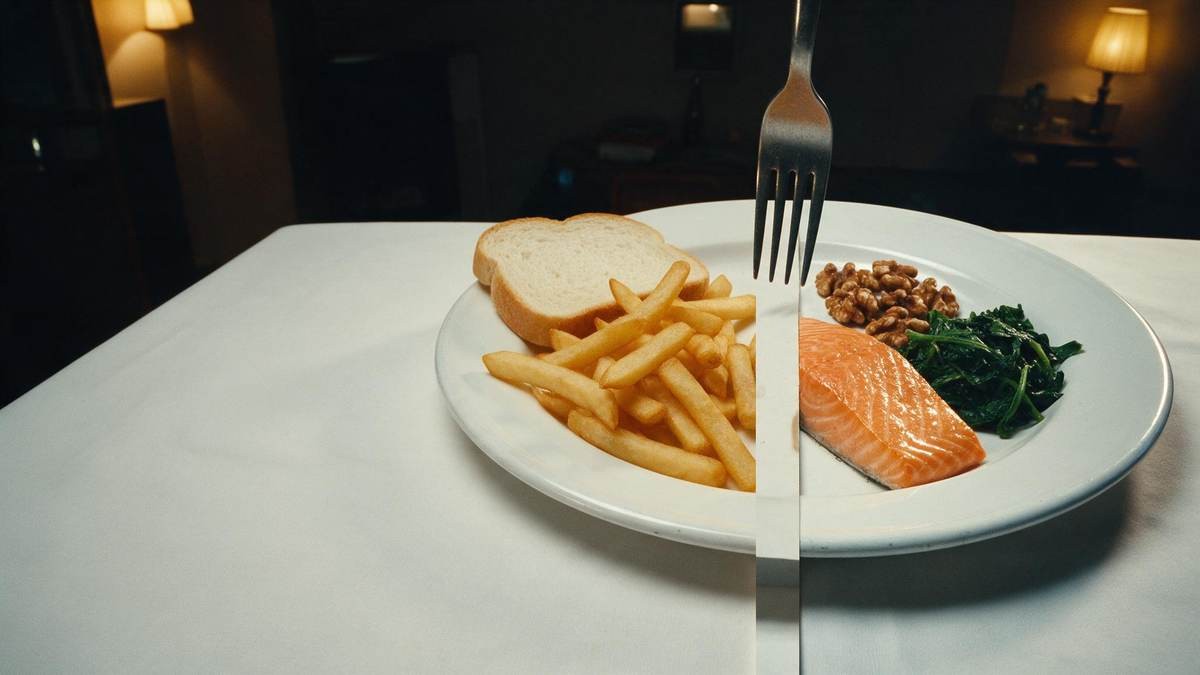 Is your diet costing your memory?Which foods actually matter for memory?What you eat across a whole week counts for more than any single item.
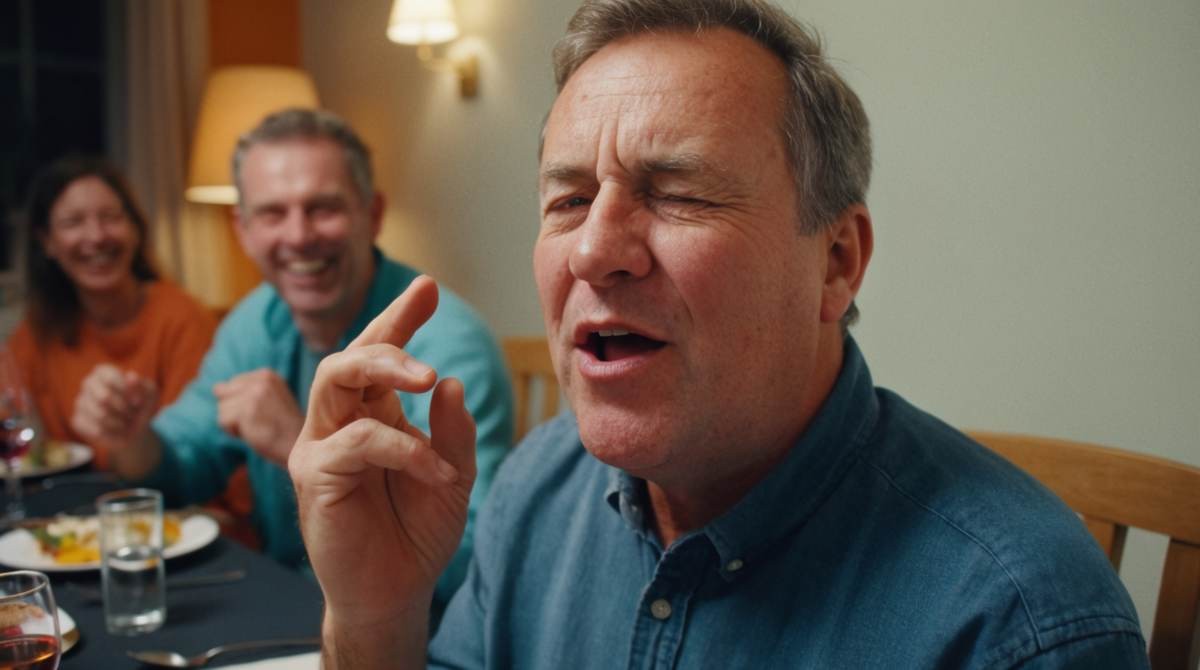 Why won’t the word come out?Why does a word get stuck just before I can say it?You nearly have the sound, and that near miss is the clue to the moment.
 Wringing the towel? It is not ageDoes stress leave my memory worse off?It reshapes what catches your attention first, and attention shapes what you can bring back.
 The real reason you blank at doorwaysWhy does walking through a door make me forget what I came for?The plan stayed behind in the room you left. The one you stepped into does not have it.
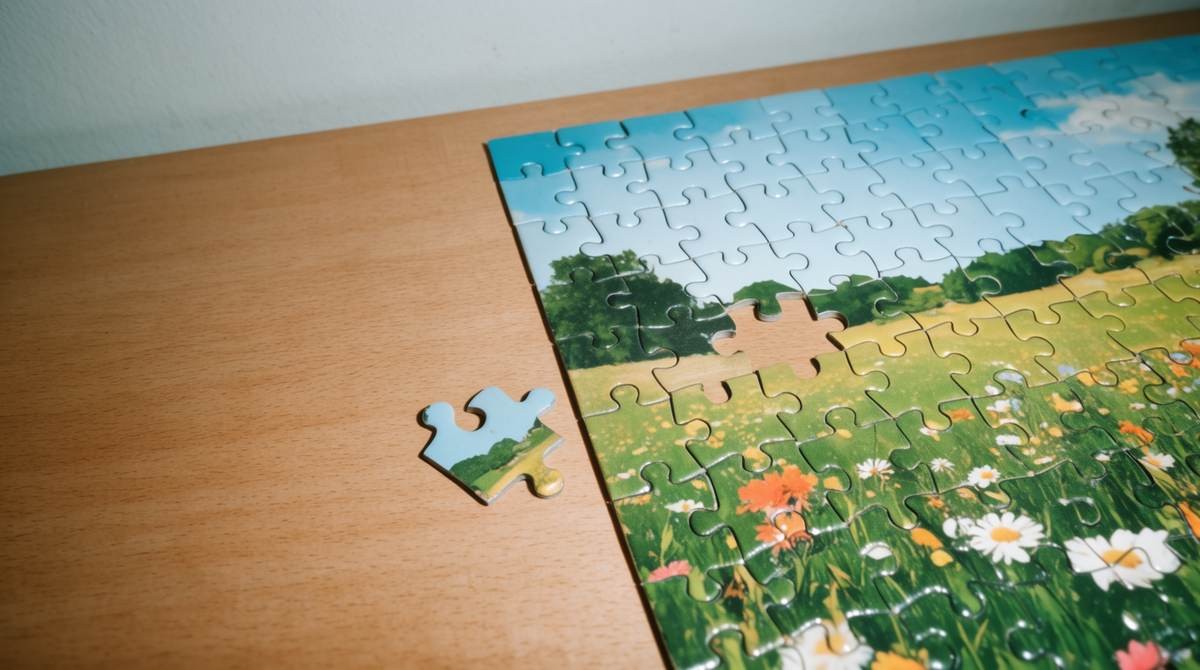 One piece missing? Read this firstWhat does mild cognitive impairment mean?A step between everyday forgetting and dementia, and not a one-way door.
 Which mnemonic trick actually sticks?Do memory tricks really work?They handle some jobs well. The memories you most want to hold onto are another matter.
Why some days clear and others stay cloudy.
Sleep, stress, a low-energy afternoon: the usual causes, and a first step.
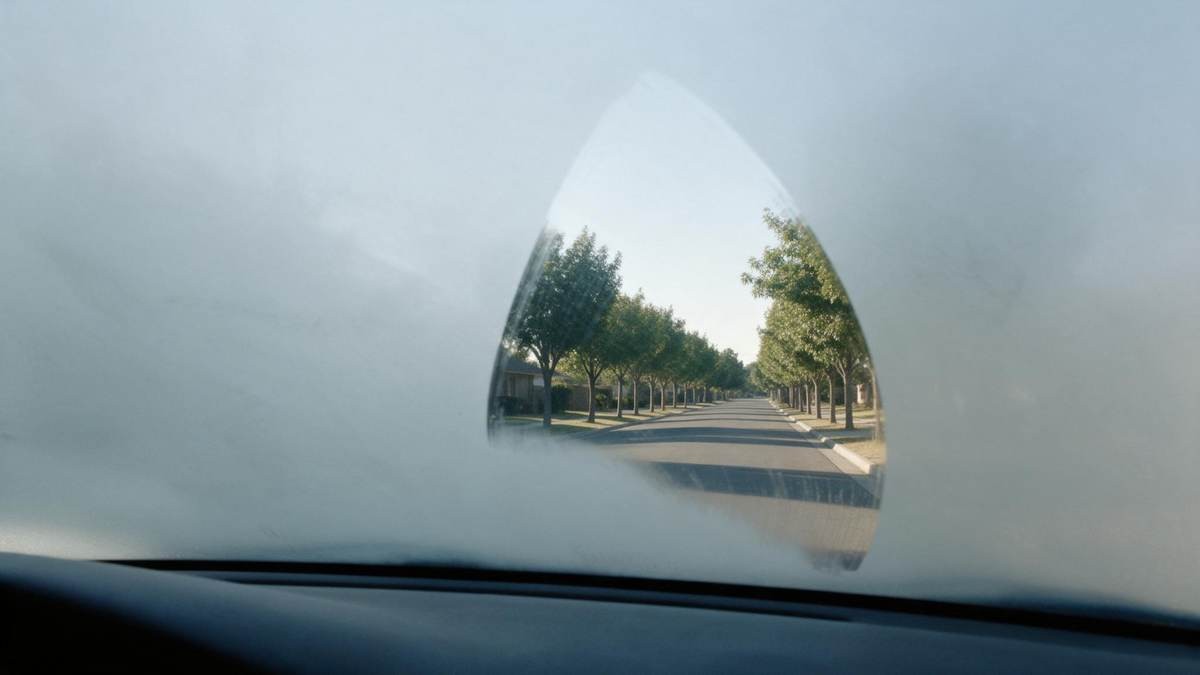 Your brain fog has a patternBrain fog isn’t a diagnosis. What usually causes it, and how the pattern of your fog narrows it downYou are holding your phone with the screen dark, halfway through a reason you can no longer find. The hallway light is on, the front door is locked, and the thought you needed has gone quiet behind your eyes.
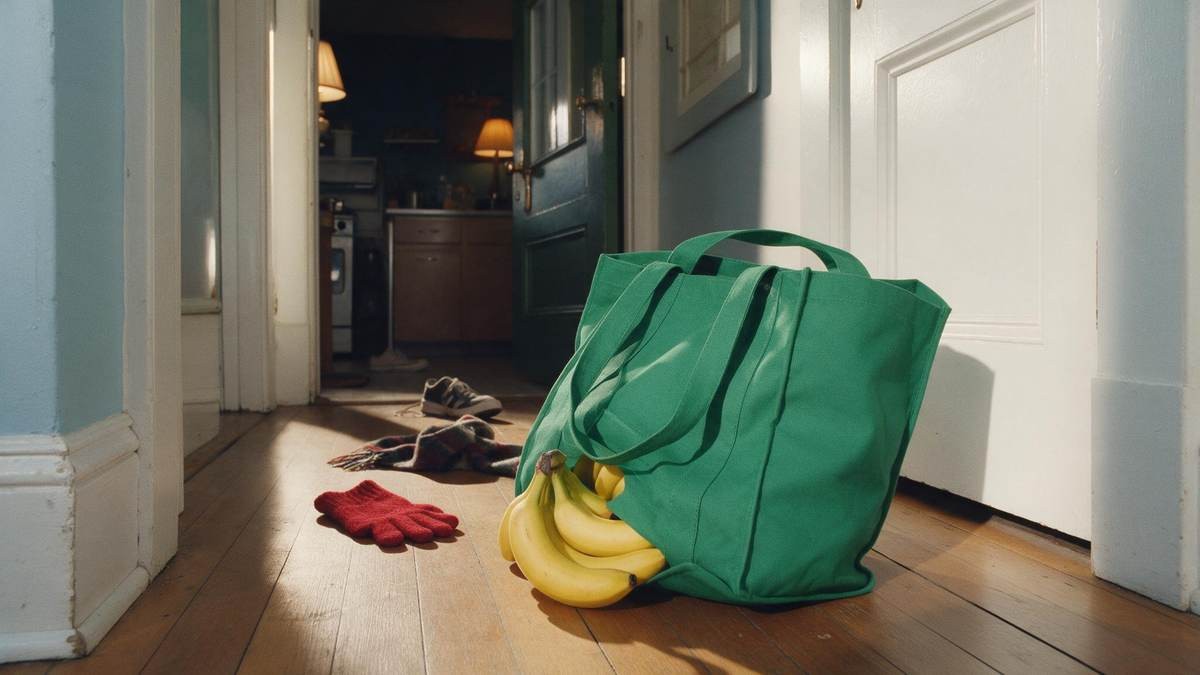 Foggy brain all day? Watch thisThe memory videoIt gives one account of what is going on underneath. Play it when the afternoon goes grey.
Left the door open? Here’s whyInattentive ADHD in adults: the signs, and how its forgetfulness differs from memory declineYou have already set your keys back on the hook by the door when you realize you can’t remember whether the trip was for the pharmacy or the dry cleaning.
 Night sweats again? There is a patternHow long does menopause last? The stage-by-stage timeline, including when brain fog tends to easeHow long does this go on for? Someone asks you that over the phone and you stall, because your own months of this have not lined up with anyone else’s.
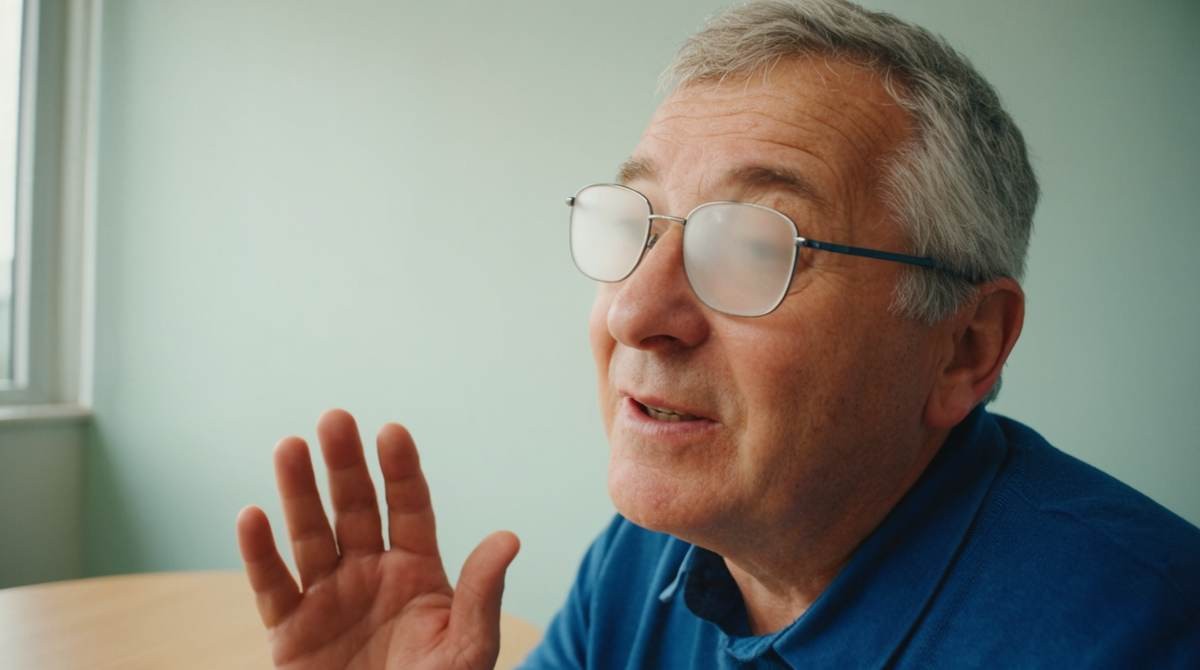 Freeze mid-meeting? It’s not your ageBrain fog symptoms: a 10-point checklist, and the signs that aren’t ‘just fog’You are halfway through explaining a point in a meeting when the thread slips away, and you stand there holding a half-finished sentence while the room waits.
Everything on brain fog → Focus & concentration → Sleep, stress & hormones →
What these memory studies really put to the test
Broken down piece by piece: who joined the studies, how long they lasted, and how large the gap turned out to be.
 Which of your pills has proof?Brain Health Supplements: What Human Trials Found for Each Memory IngredientYour thumb is already tracing the ingredient panel on the back of the bottle, and each name sounds more scientific than the last. You want one honest answer: which of these has actually been tested in people, and what did those tests show.
 Tried ginkgo, still forgetful? See whyThe memory videoOne more account to weigh against the trials above.
The real reason omega-3 trials splitOmega-3 Supplements: The Benefits That Hold Up, and What Trials Found for MemoryThe fish oil bottle is in your hand, cap half-turned back, label facing you under the counter light. A friend told you it helped her focus, so you have kept reading the small print anyway, hunting for the word memory.
 Does this leaf really help memory?Ginkgo Biloba Benefits for Memory: What a 3,000-Person Trial Actually FoundYou open the kitchen cupboard and see the small amber bottle of ginkgo biloba you bought after a week of misplacing your keys and walking into rooms without remembering why.
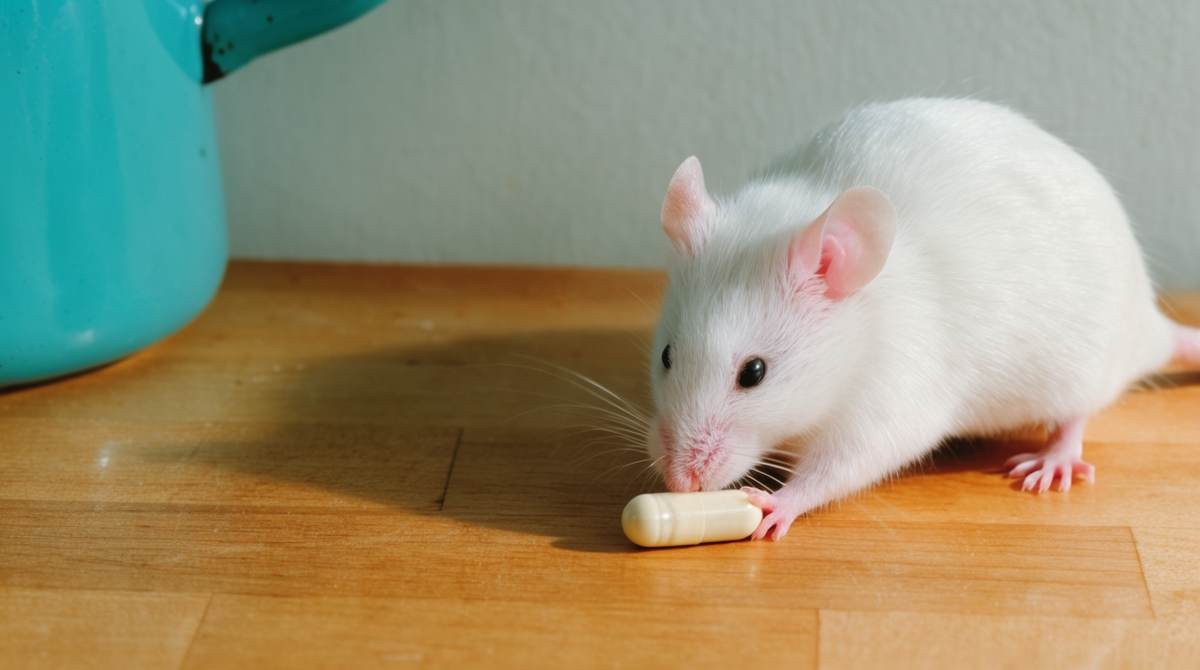 Does this capsule reach the brain?Magnesium L-Threonate: Made to Reach the Brain, but What Have Human Studies Found?You are standing in the supplement aisle, holding a bottle that promises to put magnesium where it matters most: inside your brain.
Everything on supplements & food →
The word that vanished. The doorway you stepped through. The task you meant to finish.
How this desk started: tiny everyday slips, noticed as they happened.
 The real reason thoughts vanish hereWorking Memory: What It Is, and Why One Interruption Can Wipe It CleanWorking memory is the mental scratchpad that holds information for immediate use. Learn why one interruption can wipe it clean and what to do when a code or.
 The real reason you pause mid-moveCognitive function: the 6 abilities it covers, and which ones change as you ageYou are standing in the kitchen, holding your phone, and you cannot remember why you walked in here. The kettle is still cold, so it was not for tea.
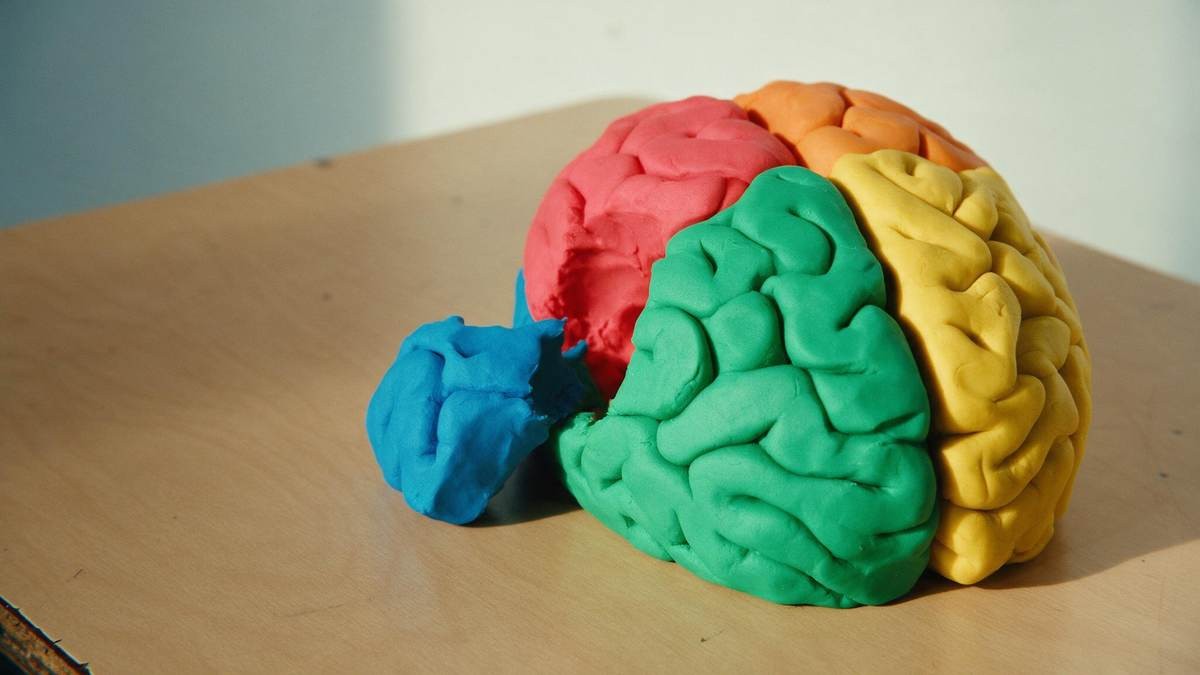 Which part of this brain remembers?Brain Parts and Functions: A Labeled Diagram, and the Parts You Use to RememberYou are standing at the kitchen counter with your phone in one hand, the grocery list open, and no idea why you walked in. You retrace your steps. The reason does not come. This is not a character flaw.
 Which of these handprints lasts?Short-Term vs Long-Term Memory: How Each One Works, and Which Kind of Loss Is More WorryingHow short term memory works, why it differs from long term memory, and which kind of loss is more worrying. Learn what each system does and when to seek help.
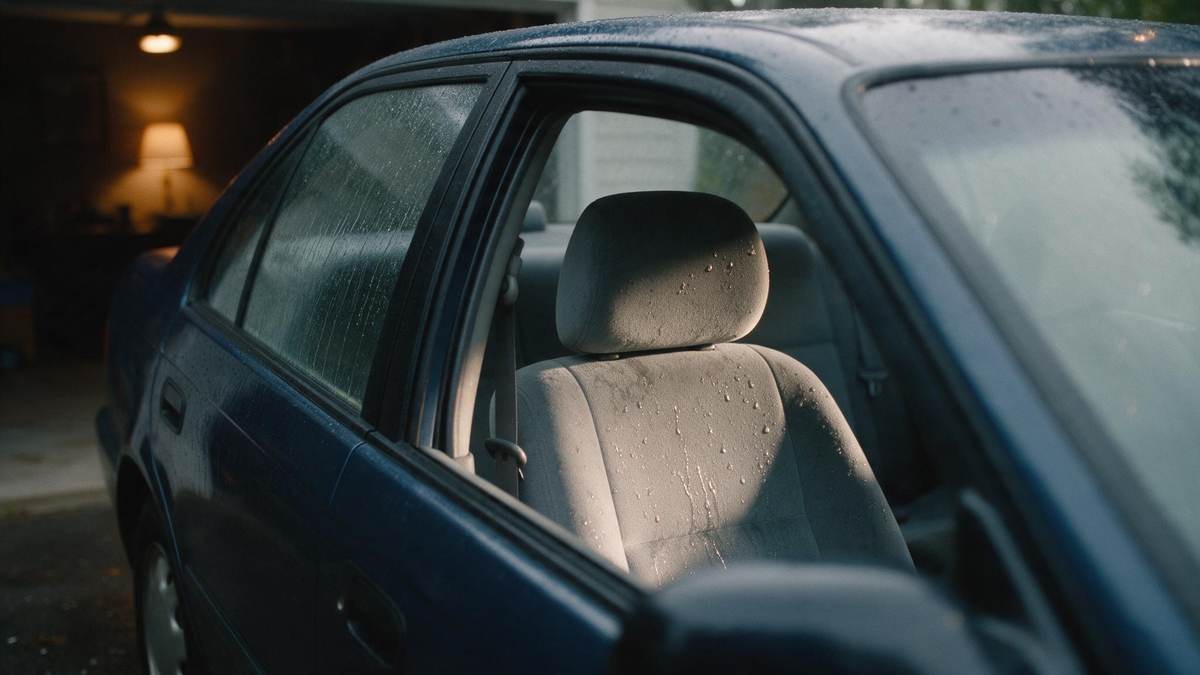 Window down? The slip starts earlierWhat does absent-minded mean? Why the slip happens before memory even startsWhat does absent minded mean? Learn why the slip often happens before memory starts, and how to tell failed attention from true forgetting.
The memory video
Why do the slips keep coming back?
Names, rooms, the thread of a sentence: the same few slips, again and again. The memory video puts forward one explanation for that pattern.
 Forgetting names again? Watch now
Rereading looks like labor. Pulling it back from memory is the labor.
Some drills spill over into a plain weekday, while others just sharpen the drill itself.
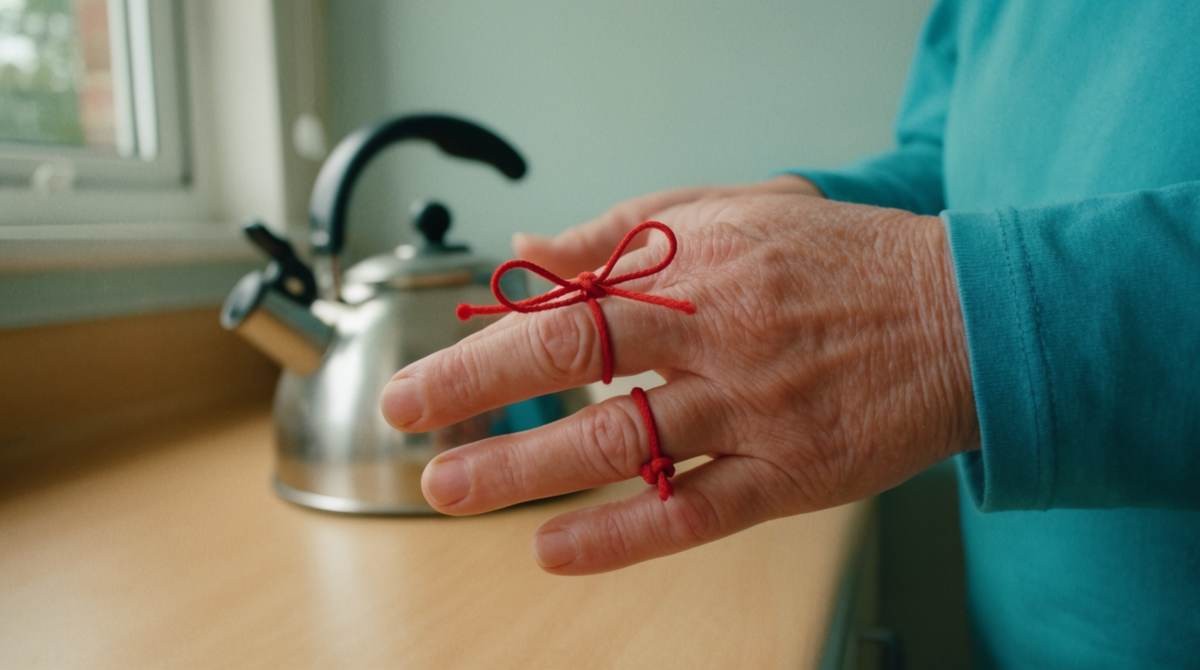 The real reason memory tips fail youHow to improve your memory: what has real evidence behind it, and what mostly doesn’tYou are standing at the kitchen counter with the phone in one hand, having come in for something you no longer have a word for. The kettle is warm under your other palm, which tells you it was you who filled it.
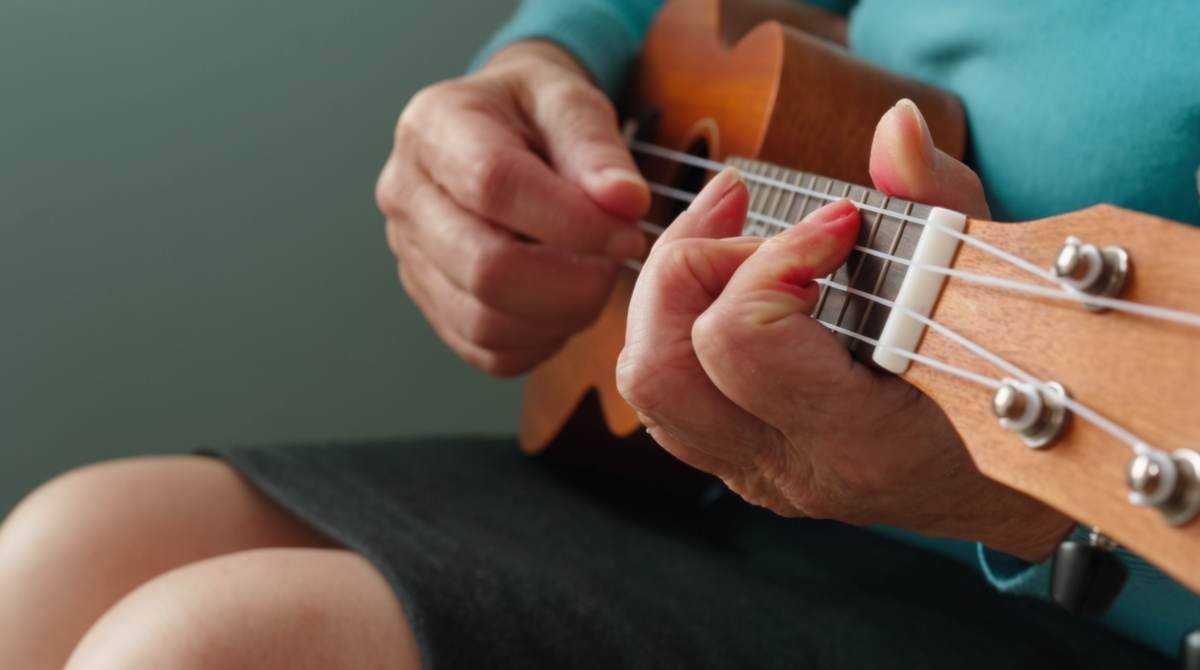 Does your brain change with practice?What is neuroplasticity? A plain-English definition, with 5 real examples from studiesYour fingers hover over the phone screen, and for half a second the word you wanted sits just out of reach, like a name on the tip of your tongue that will not come.
 Your notes never stick? The real reasonHow to study effectively: the methods that beat rereading, even decades after schoolYou glance at the highlighted page in front of you and realize the words look familiar but the meaning has already gone quiet. The lamp is on, the phone is face down, and still the paragraph will not hold.
 Names slip mid-handshake. There is a patternMemory techniques that actually work: the right one for names, lists, numbers or factsSomeone across the table says their name, you repeat it out loud, and by the time you sit down it is gone. The handshake was warm, the coffee cup is in your other hand, and what you keep is only the sense that the person seemed friendly.
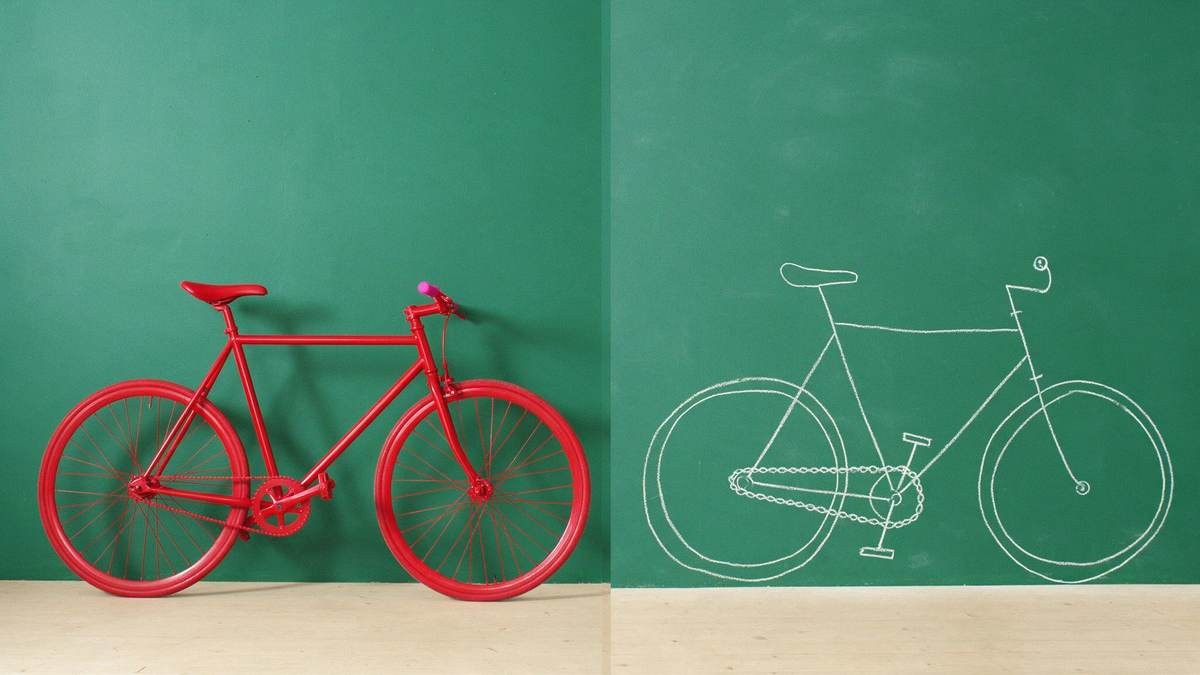 Saw it clearly, still can’t draw it?Is photographic memory real? What researchers found when they tested eidetic memorySomeone has just asked you to describe the last page you read, and you can see the shape of it but not the words.
Everything on memory training →
Ordinary forgetfulness, or a reason to see a doctor?
Among the most common things people ask about memory, worked through at a careful pace.
| Usually everyday | Worth mentioning to your doctor |
|---|---|
| Losing track of the day, then figuring it out | Not knowing the date or the time of year |
| Occasionally hunting for the right word | Struggling to follow a conversation or take part in it |
| Misplacing items from time to time | Frequently losing things and unable to retrace your steps |
Everyday lapse, or something to flag? No test here
Choose what took place this week. It cannot explain what is going on. It simply sorts the moment, and nothing you select is saved or shared.
When to worry about memory loss: the changes that mean it’s time for an assessment Record a useful pattern of memory slips“>
Clinicians commonly turn to brief written checks like SAGE from The Ohio State University or the Mini-Cog. Our notes describe what each one looks at, and any result belongs in the hands of a clinician.
 Do you mix up Alzheimer’s and dementia?What is Alzheimer’s? How it differs from dementia, and why ‘which is worse’ is the wrong questionYou were about to say her name, the woman two doors down you have waved at for years, and the word simply was not there. You covered it with a smile and kept talking, and the pause stayed with you afterward.
 Fighting in dreams? Read this firstLewy body dementia: the early signs that often show up before memory lossYou reach across the bed to still your partner’s arm and he flinches as if you are a stranger. The lamp is on, the quilt is half on the floor, and he is looking past you with eyes that do not settle.
 Sitting apart? Here is whyFrontotemporal dementia: why it often starts in the 50s with personality or language changes, not memoryThe story ends and the room goes quiet in a way it never used to. You wait for the usual follow-up question about your day, but it does not come.
 Slowing down, not forgetting? See whyVascular dementia: why slow thinking can come before forgetting, and what raises the riskYou are holding a bill you have read twice already, and the numbers refuse to line up into anything you can act on.
The conditions themselves: alzheimer’s medication · dementia stages · dementia treatment · types of dementia · alzheimer’s blood test · alzheimer’s cure
Everything on memory loss & dementia →
No page like this can evaluate a person. Something new, steadily worsening, or throwing off the day is worth a physician’s attention.
How the desk weighs the research
- Who took part?
- What did they actually measure?
- How large was the effect?
- What remains out of reach?
Each note closes with the study behind it.
All the notes on the desk
Brain fog
Attention and context
- Attention and Memory: Why Splitting Your Focus Weakens What You Remember Later
- Is Multitasking Good for Your Brain? What Switching Tasks Does to Your Memory
- Mental clarity and memory: the 5 everyday conditions that decide what you take in and keep
- Mental fatigue: why details slip when your mind is tired, and what actually helps it recover
- What notifications interrupt while you are paying attention
- Why returning to a place can jog your memory
- Why rushing can leave a memory gap
Brain fog causes symptoms
- Brain fog after eating or first thing in the morning? What the timing of your fog can point to
- Brain fog isn’t a diagnosis. What usually causes it, and how the pattern of your fog narrows it down
- Brain fog symptoms: a 10-point checklist, and the signs that aren’t ‘just fog’
- Brain fog test: a 2-minute self-check you can do now, and the blood tests a doctor may run
- Dehydration and brain fog: how little fluid loss it takes, and why thirst gets less reliable with age
- How long does brain fog last, and is it ever permanent? A cause-by-cause answer
- Is brain fog dangerous? Usually not, but these signs mean you shouldn’t wait
- Long COVID brain fog: what it feels like, how long it tends to last, and what helps in the meantime
- What does brain fog feel like? And how do you tell it apart from simply forgetting?
Brain fog clearing
- Brain fog treatment: why the fix depends on the cause, and what doctors check first
- How to clear brain fog fast: 6 quick resets, and what no quick reset can fix
- How to get rid of brain fog: 8 everyday fixes, ranked by how much evidence backs them
Brain health habits
- Brain Health After 45: The Habits With the Strongest Evidence, and What None of Them Can Promise
- Can You Increase Brain Power in 7 Minutes? What a Short Burst of Movement Really Does
- Meditation and Memory: What Changed in the Trials, and How Much Practice They Asked For
- Natural remedies for memory loss: what the research supports, and what to rule out first
Concentration
- Can’t Concentrate on Studying? How to Improve Focus While You Study, at Any Age
- How to Concentrate Better: What Actually Improves Focus, Ranked by Evidence
- How to Increase Concentration Immediately: A Quiet Window for Memory-Heavy Tasks
- Inattentive ADHD in adults: the signs, and how its forgetfulness differs from memory decline
- Lack of Concentration in Adults: What’s Usually Behind It, and What to Rule Out
Menopause and hormones
- Best supplements for menopause brain fog? What the few trials in midlife women found
- How long does menopause last? The stage-by-stage timeline, including when brain fog tends to ease
- Menopause brain fog is real, and often starts in perimenopause: what drives it and how it feels
- Menopause brain fog treatment: what hormone therapy can and can’t do for thinking, and what else helps
- Menopause symptoms at age 50: the full checklist, including the ones that show up as forgetfulness
- The ‘100 symptoms of perimenopause’ list: which ones research actually backs
- What are the top 3 vitamins for menopause? The evidence for bones and brain, and the ‘FDA-approved’ myth
Sleep and memory
- Sleep and Memory Consolidation: What Your Brain Files Away in Deep Sleep vs REM
- Sleep and Memory: How Your Nights Shape What You Remember, and What to Fix First
Stress and memory
- How Anxiety Affects Memory Recall: Why a Fact You Know Suddenly Goes Blank
- How to Reverse Memory Loss From Stress: What Helps Recall Come Back, and When Not to Wait
- Stress, Anxiety and Memory Loss: Why Stress Makes You Forget, and When It’s Something Else
- Stressed Brain vs Normal Brain: What Cortisol Changes, and the Symptoms You Notice
Supplements & food
Food for the brain
- Bad Foods for Your Brain: What Studies Tie to Memory Decline, and What’s Just Myth
- Best tea for brain function: what caffeine and L-theanine do for focus and memory, and what they don’t
- Brain Food for Exams: What to Eat the Night Before and the Morning Of
- Foods and dementia risk: what a 3-year diet trial actually found
- Foods for Your Brain and Memory: The Short List That Actually Has Evidence Behind It
- The MIND diet: the 10 food groups it favors, the 5 it limits, and what the 3-year trial actually found
Herbal ingredients
- Bacopa Monnieri Side Effects and Dosage: The Stomach Issue and the Dose Trials Used
- Bacopa Monnieri for Memory: Why Trials Ran 12 Weeks, and What Changed by the End
- Ginkgo Biloba Benefits for Memory: What a 3,000-Person Trial Actually Found
- Ginkgo Biloba Side Effects and Dosage: The Bleeding Risk and the Dose Trials Used
- Huperzine A: The Memory Supplement That Acts Like a Prescription Drug
Lion’s mane
- Lion’s Mane Benefits: The Memory Trial Behind the Hype, and What Happened When It Ended
- Lion’s Mane Side Effects: What’s Reported, Drug Interactions, and Is It Psychedelic?
- Lion’s Mane Supplement Labels: Fruiting Body vs Mycelium, Trial Doses, and How Much Is Too Much
- Lion’s Mane for ADHD: What Studies Have Actually Tested, and What They Haven’t
Nootropics
- Are Nootropics Safe? Side Effects, Interactions and the Label Problems to Check First
- Best Drug to Improve Memory? Why None Is Approved for Healthy Adults, and What ‘Study Drugs’ Do
- Best Nootropic Supplements Ranked by Human Evidence, and How Labels Hide the Doses
- Nootropics meaning: the 5 original criteria, and why few pills labelled ‘nootropic’ today meet all of them
Omega-3, magnesium & choline
- Alpha-GPC for Memory: What Trials Tested, and the Stroke-Risk Finding You Should Know
- Citicoline for memory: what the studies in older adults found, the doses used, and how it compares with alpha-GPC
- Magnesium L-Threonate Side Effects: Drowsiness, Headaches and the Hair Loss Question
- Magnesium L-Threonate vs Glycinate: Which Was Studied for Sleep, Anxiety or Memory
- Magnesium L-Threonate: Made to Reach the Brain, but What Have Human Studies Found?
- Magnesium for the Brain: Which Form Has Been Studied for Memory, and Who Actually Runs Low
- Omega-3 Supplements: The Benefits That Hold Up, and What Trials Found for Memory
- Omega-3 and the Brain: DHA vs EPA, Trial Doses, and Who Saw a Memory Effect
- Phosphatidylserine and Cortisol: What the Stress Studies Really Measured
- Phosphatidylserine for Memory: Why Early Studies Used Cow Brain, and Why That Matters Now
Supplements overview
- Best brain supplements for seniors: what changes after 65, and which pairings to check with a pharmacist
- Brain Health Supplements: What Human Trials Found for Each Memory Ingredient
- Brain fog supplements: what each popular ingredient showed when it was actually tested
- Focus Supplements: What Moved Attention in Studies, and What’s Just Caffeine
Vitamins b12
- B12 and Memory: When Low Levels Cause Fog and Forgetting, and When Extra Won’t Help
- The 4 Stages of B12 Deficiency: Where Memory Changes Appear, and How Recovery Goes
- Vitamin B12 Benefits for Women and Men: The Ones That Need a Low Level, and the Side Effects
- Vitamin B12 Dosage for Adults: Why 5,000 mcg Tablets Exist When the Daily Need Is 2.4 mcg
- Vitamins for Memory: The Ones That Matter If You’re Low, and Why Extra Rarely Helps
Everyday slips
Conversations
- Follow a conversation with several speakers
- Forgetting what someone just told you
- Forgetting what you were about to say
- Hearing the words but missing the conversation’s meaning
- Hold spoken directions long enough to act on them
- How to keep and recover a conversation’s thread
- Keep your response in mind while someone finishes speaking
- Losing Your Train of Thought Mid-Conversation: Why It Happens and How to Pick It Back Up
- Recall what was agreed in a conversation later
- Remember the useful details from a phone call
- Resume a conversation after an interruption
- Why an emotional exchange can make you lose your point
- Why background noise breaks a conversation’s thread
How memory works
- Brain Parts and Functions: A Labeled Diagram, and the Parts You Use to Remember
- Cognitive function: the 6 abilities it covers, and which ones change as you age
- How to remember something you forgot: why a cue works better than effort
- Remembering an event versus knowing a fact
- Short-Term vs Long-Term Memory: How Each One Works, and Which Kind of Loss Is More Worrying
- What Is Memory? The 3 Steps Behind Everything You Remember (and Forget)
- What a Real Human Brain Looks Like, and the Seahorse-Shaped Part Behind New Memories
- What does absent-minded mean? Why the slip happens before memory even starts
- Why repetition can create familiarity without recall
- Why you may remember an emotional event but lose details
- Working Memory: What It Is, and Why One Interruption Can Wipe It Clean
Plans & interruptions
- Forgetting what you meant to search after unlocking a phone
- Forgetting what you were about to do
- Prospective Memory: Why You Forget Things You Fully Meant to Do
- Recover an interrupted sequence of steps
- Remember an errand when you pass the right place
- Remember to finish a task after waiting for something
- Remember to return a call later
- Remember to take an item when leaving home
- Remembering what you meant to do
- Return to a task after a phone notification
- Use an if-then cue for a future action
- Why a plan made now may vanish later
- Why switching browser tabs can erase the task goal
Things & places
- Find an item stored months ago
- Give keys and other daily items one reliable home
- How to Find Something You Lost: Why It Vanished, and Where to Look First
- Keep track of shared household items
- Misplacing an item while carrying several things
- Remember where you parked a car
- Retrace the last context to find a missing object
- Search systematically instead of checking the same spots again
- The Doorway Effect: Why You Walk Into a Room and Forget What You Came For
- Why Do I Keep Losing Things? The Moment You Put It Down Without Noticing
- Why a missing object can be in plain sight
- Why an item disappears right after tidying
- Why the phone ends up in an unexpected room
Routines and reminders
- Build a short leaving-home checklist
- Choose an event cue or a clock alarm
- Know whether a routine step was already done
- Reduce a crowded reminder list
- Remember a household task that happens weekly
- Remember appointments without constant checking
- Remember documents needed for an errand
- Remember whether an appliance was turned off
- Remember whether you locked the door
- Set a reminder when you can actually act
- Use a calendar and a task list for different jobs
- Ways to Remember Things You Need to Do: Why Some Reminders Work and Others Get Ignored
- Why reminder alarms become easy to ignore
Words & names
- Can stress make it harder to find words?
- Forgetting Names of People You Know Well: Why You Can Picture Them and Still Draw a Blank
- Forgetting Words Mid-Sentence? Why Word-Finding Difficulty Happens, and What Helps
- How to Remember Names: What to Do in the Moment Someone Introduces Themselves
- Is there a ‘forgetting names syndrome’? Why names slip more than other words
- Keep several new names straight in a group
- Recall a new name the next day
- Recognizing a face but missing the name
- Retrieve a person’s name without guessing aloud
- Tip of the Tongue Phenomenon: Why a Word You Know Won’t Come Out
- Using the Wrong Words When Speaking: Everyday Slip or a Sign to Get Checked?
- Why Am I Forgetting Names All of a Sudden? What’s Normal at 40, 50 and Beyond
- Why a missing word comes back later
- Why familiar words and names slip away
Memory training
Brain training
- Brain exercises for memory: a 10-minute routine you can do with a pen and paper
- Brain games for adults: which memory games actually train your memory, and which are just fun
- Brain games for seniors: what to play for memory, and why playing together counts
- Brain teaser games with answers: 15 puzzles to try, and the memory skill each one uses
- Concentration Card Game: How to Play, and What It Really Trains in Your Memory
- Does brain training work? What the big studies found, and how to judge any brain training app
- Does neuroplasticity decrease with age? What changes after 50, and what doesn’t
- Neuroplasticity exercises: 6 activities that changed adult brains in real studies
- What is neuroplasticity? A plain-English definition, with 5 real examples from studies
Memory techniques
- Can you develop a photographic memory? What memory athletes do instead
- How to improve short-term memory: why drills barely stretch it, and what helps instead
- How to improve your memory: what has real evidence behind it, and what mostly doesn’t
- How to memorize a speech fast without sounding like you’re reciting it
- Is photographic memory real? What researchers found when they tested eidetic memory
- Memory techniques that actually work: the right one for names, lists, numbers or facts
- Mnemonic devices: 9 types, with examples you probably learned in school
- Photographic memory test: how much detail can you keep from one picture?
- The memory palace (method of loci): build your first one tonight in a home you know
Remembering what you read
- Follow written instructions after leaving the screen
- How to remember what you read: why it fades by the next day, and what makes it stick
- Keep track of a story across several reading sessions
- Reading quickly but retaining little
- Recall the useful point of an article the next day
- Remember unfamiliar terms in a new subject
- Spaced repetition: when to review something new so you still remember it next month
- Take notes that are useful after reading
- Test your recall after reading without a quiz
- When your eyes keep reading but your mind wanders
- Why a finished paragraph is already hard to recall
- Why a passage feels familiar but is hard to explain
- Why you keep rereading the same paragraph
Studying and learning
Memory loss & dementia
Dementia risk
- Can you lower your dementia risk? What the 14 modifiable risk factors mean after 45
- Hearing loss and dementia: why it’s one of the biggest risks you can still change
- Is dementia hereditary? What a parent’s Alzheimer’s diagnosis does and doesn’t mean for your own risk
Dementia signs
- Alzheimer’s disease symptoms: why recent memories go first, and the early signs families notice
- Early signs of dementia in men: the quieter changes that can come before memory slips
- Early signs of dementia in women, and why menopause memory changes aren’t the same thing
- Early signs of dementia: the 10 warning signs, set side by side with normal forgetting
- Early-onset dementia: what it looks like in your 40s and 50s, how rare it really is, and what else causes the same slips
- What is dementia? The meaning in plain English, and how it differs from normal forgetting
Dementia treatment research
- Alzheimer’s medication: what each type of drug does, and what none of them can do yet
- Alzheimer’s treatment research: where it really stands, and why progress is so hard
- Dementia treatment: what helps today for each type, with and without medicine
- Is there a blood test for Alzheimer’s? What the new tests measure, who they’re meant for, and what a result means
Dementia types stages
- Dementia stages: the 7-stage scale explained, and what each stage looks like at home
- Frontotemporal dementia: why it often starts in the 50s with personality or language changes, not memory
- Lewy body dementia: the early signs that often show up before memory loss
- Types of dementia: the 4 main kinds, what causes each, and why the first sign isn’t always memory
- Vascular dementia: why slow thinking can come before forgetting, and what raises the risk
- What is Alzheimer’s? How it differs from dementia, and why ‘which is worse’ is the wrong question
Memory loss normal vs worrying
- Cognitive decline: which thinking skills slow with age, which improve, and the signs that don’t fit
- Forgetfulness: which slips are normal age-related memory loss, and which deserve a closer look
- Memory loss: when it’s normal aging, when it’s treatable, and when to get checked
- Mild cognitive impairment ICD-10 codes: what the code on your visit summary actually says
- Mild cognitive impairment: the in-between stage, and why it doesn’t always progress
- Short-term memory loss in old age: why yesterday fades while old stories stay sharp
- Sudden memory loss or confusion: what to do right now, and what it can mean
- When to worry about memory loss: the changes that mean it’s time for an assessment
- Why Is My Memory So Bad All of a Sudden? The Common Causes, Checked One by One
Memory tests
- Dementia and memory tests: from online checks to a full workup, and what each can tell you
- MMSE (Mini-Mental State Exam): what the 30 points cover, the usual cut-offs, and how it differs from the MoCA
- Memory Test: A 10-Minute Self-Check, and What Your Result Can’t Tell You
- Mini-Cog Test: The 3-Minute Memory Screen Doctors Use, Step by Step, and What It Can’t Tell You
- Montreal Cognitive Assessment (MoCA test): the 30-point screen, part by part, and what scores mean
- Record a useful pattern of memory slips
- SAGE test: the 12-question dementia screen you can take at home, and how it’s scored
Short term memory loss causes
- Can depression cause memory loss? How low mood can look like dementia, and what tends to improve when mood does
- Drugs that cause memory loss: the common medicines worth a conversation with your doctor
- Memory loss treatment: which causes are treatable, and what helps when they aren’t
- Short-term memory loss in young adults: why it happens in your 20s, and when to worry
- Short-term memory loss: real-life examples, the common causes, and the signs worth a doctor’s visit
- Transient global amnesia: the sudden, hours-long memory blank that mostly affects people over 50
- Types of amnesia and memory loss: the names doctors use, in plain English