You said “I’ll call you back” and meant it. Then the doorbell rang, the afternoon filled up, and by nine o’clock the promise had dissolved into a vague guilt with no name attached. The fix takes about ten seconds, and it happens at the moment you make the promise, not later: write down three things. Who you are calling, what the call is about, and a realistic cue for when you will actually do it, whether that is a clock time or an event like “after lunch” or “when I get home.”
That third element is the one most people skip. A bare promise floats free of your day, so nothing ever collides with it. A promise tied to a specific moment has a chance of resurfacing exactly when you can act on it, which is the whole battle.
Why a promised call slips away
The promise itself is rarely the problem. You fully intend to call back, and in the moment you mean it. What fails is the handoff between that intention and the rest of your day, because a vague “call them later” has no shape. Later never arrives as a named moment, so nothing pulls the intention back to the surface.
The fix is to give the promise three anchors at the instant you make it: who, why, and when. Who is obvious but worth writing anyway, because a list of bare names blurs by evening. Why is the part people skip, and it is the part that makes the callback feel real rather than optional. When should be a realistic time or an event you know will happen, not a hopeful “this afternoon.”
Catch the promise before the day moves on
You hang up mid-errand and promise to ring back tonight. Write the person, the reason, and the trigger in one line before you do anything else: “Call Dana about the invoice question, after I get home.” The reason matters because by tonight you will remember that you owe a call but not what for, and a reminder with an empty reason field is easy to postpone. The trigger should be something certain, like arriving home or finishing dinner, rather than a clock time you might spend in traffic.
You said yes in a meeting and the callback belongs to tomorrow. Put it where tomorrow-morning-you will actually look, and phrase it as a small if-then plan: if I sit down at my desk, then I call Priya about the schedule change. Research on these if-then plans, often called implementation intentions, suggests that linking an action to a specific cue makes people more likely to follow through than holding a bare intention. The same logic shows up in studies of interrupted tasks, where an explicit reminder to return helped people resume what they had left.
If a reminder with an empty reason field keeps letting a promised call slip, that is the same wider pattern of intentions that never meet their moment. Take a few minutes to watch the full video about recurring memory slips and the approach it proposes for improving memory, and judge it against the calls you owe right now.
When the other person cannot pick up
You dial at the planned moment and get voicemail. The task is not done; it has only changed shape. Leave a message that does some of the work for you: your name, the one thing you need, and when you will try again. Then set a fresh cue for that second attempt, because the original trigger has already fired and will not fire twice.
If you reach them but they cannot talk, agree on the next attempt out loud rather than accepting another floating “later.” Even a rough window, like after their shift ends, gives you something concrete to attach a cue to. The pattern here is the same one behind picking a task back up after a wait: the return needs its own marker, separate from the original plan.
A callback with more than one point
Some callbacks are really three conversations wearing one coat. You owe your sister a call, but it covers the borrowed ladder, the weekend plan, and a question about her tenancy paperwork. If the note just says “call Sarah,” you will remember one of those, enjoy the chat, and hang up with the paperwork question still sitting there.
Turn a promise into a plan
- If I sit down at my desk, then I call Priya about the schedule change.
- If I get home, then I call Dana about the invoice question.
- If I finish dinner, then I ring back about the weekend plan.
Write the points down as separate lines under the same cue, and glance at them before you dial rather than trusting the conversation to surface them. Two or three short fragments are enough; this is not minutes-taking. The same discipline helps with keeping hold of what a call was actually about, which is where most callback promises quietly unravel.
When the plan changes before you call
Plans move, and a callback built on yesterday’s facts can turn stale overnight. If the reason for the call changes, update the note itself, not just your memory of it. A cue that still says “ask about Friday’s booking” will fire at the right moment and then send you into the wrong conversation.
If the call is no longer needed at all, delete it deliberately rather than letting it linger. A reminder list cluttered with dead obligations trains you to skim past live ones, which is how a genuine promise starts hiding among resolved ones. The wider habit of tying a future action to a dependable cue only works when the cues on your list still mean something.
One last distinction is worth keeping. Occasionally forgetting a callback is ordinary; the sources behind this piece note that everyday lapses like these are common and usually no cause for alarm. If missed intentions start arriving alongside other persistent changes that worry you, that pattern is worth raising with a doctor, who can ask the right questions. For the ordinary kind, the next action is simple: the next time you say “I’ll call you back,” write the who, the why, and the when before the conversation ends.
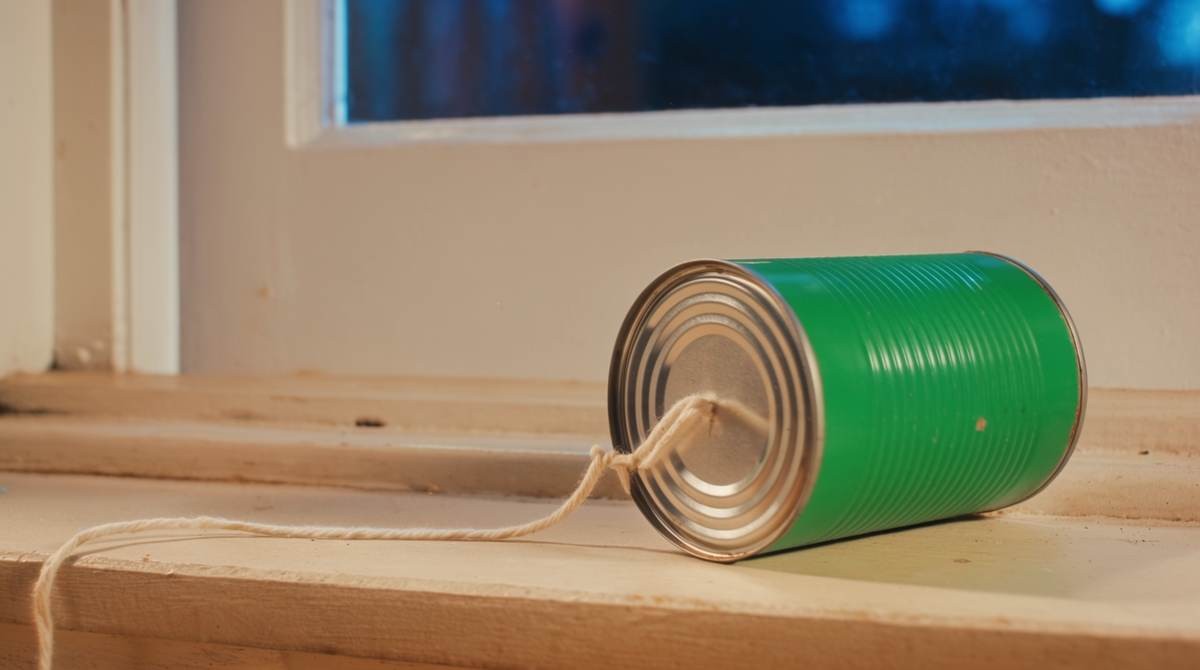 You meant to call back?Why ‘I’ll call you back’ keeps slippingWatch the video to see the small cue that keeps a promised call from vanishing.
You can treat tonight as a one-off, or you can watch the full video and look at the shape these moments make together.
Reading behind this note
Everything on Everyday slips →
▶ Watch the memory video