You had the words ready: the parcel, the prescription, the letter to post. Then the shopfront slid past and the sentence died in your throat. The errand was never the problem. The moment was. So why does the cue only arrive when the place is already behind you?
The errand returns to mind at the exact moment the shop, post box, or pharmacy is already behind you. That timing is not bad luck; it is the cue arriving too late. The useful fix is to attach the task to something you will encounter just before the place, at a moment when you can still act, rather than to the place itself.
The steps below cover the common ways this goes wrong: the cue that fires too late, the route that changes, the place that turns out to be closed, and the reminder that surfaces while you cannot stop. None of it requires a particular app. It requires choosing the right trigger, saying the plan in a form you can recall, and deciding in advance what to do when the first chance is missed.
Tie the errand to a cue you will meet
Treat a location intention as three parts: what you will do, where you will do it, and what you will see or hear just before it is possible. Many everyday errands fail at the third part, not the first. Passing the store becomes the real test, not remembering the errand on the sofa.
Re-anchor a missed errand
- Write the task down.
- Pick the exact cue you will pass.
- Say the plan once before leaving.
- Do it while the annoyance is fresh.
The most reliable cue sits before the place, not at it. If the pharmacy is the target, the corner where you decide to cross is a better cue than the pharmacy door, because the decision has to be made while action is still easy. Choose something you will definitely pass, like the bus stop before the supermarket, and state the plan plainly: when I reach that bench, I will turn in. A cue that appears after the place is a memory of a mistake, not a reminder.
Keep the cue concrete enough to interrupt the usual flow of the trip. A vague thought like I should go in sometime today has no edge to it. A cue tied to a specific sign, doorway, or sound has a chance of surfacing exactly when your route crosses it. This is the same distinction behind the idea of remembering to resume an interrupted task: the intention has to be linked to a cue likely to appear at the appropriate time.
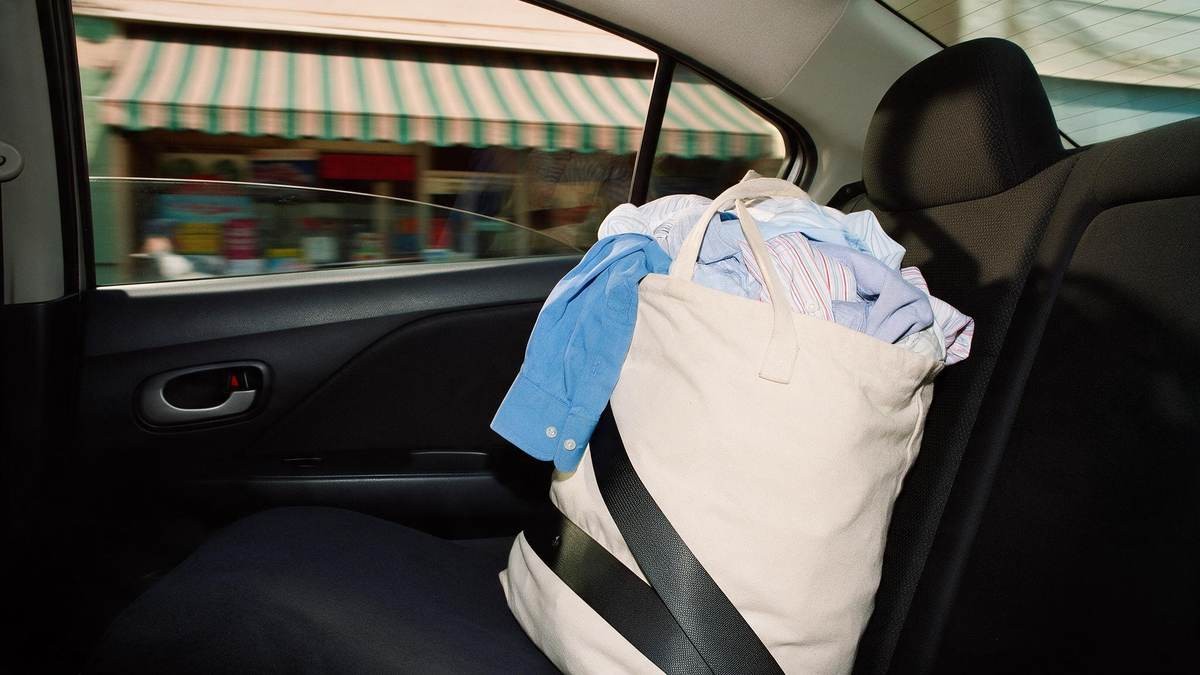 Why the errand blurs past you?Why you remember the errand only afterWatch the video to see the memory slip behind this everyday timing, and why the cue keeps missing its moment.
Match the fix to the exact failure
Your route takes you straight past the place but you do not actually notice it. Use a landmark you cannot miss, such as the crossing just before the shop, and rehearse once, in one sentence, what you will do when you reach it. If the errand matters today, put a plain text reminder where you will see it before you set off, not buried in a list you rarely open.
Which part failed
- Did I notice the landmark?
- Did I connect it to the task?
- Could I act when the cue arrived?
- Was the place even open?
The place is visible but the cue only hits after you have gone by. Shift the trigger earlier, to the last corner, traffic light, or building before the target, because the place itself is too late to change direction comfortably. If you are driving and stopping is awkward, decide on a safe pull-in or loop in advance, so the cue leads to a real option rather than a frustrated glance in the mirror.
You are already on autopilot and the day is crowded with other errands. Reduce the competition by linking only one action to that route, and say it aloud before you leave so it has some weight. If the errand depends on something you must carry, put that item by the door or in the bag the night before, so the physical thing itself becomes the cue when you pick it up.
An errand that surfaces only after the right place is behind you belongs to a wider pattern of intentions that vanish before their moment. If those missed opportunities keep turning up on different routes and errands, watch the full memory video presenting an approach to improving memory, and weigh its explanation alongside the route tactics in this article.
Handle detours, closures, and impossible stops
Routes change, and a cue tied to the old route dies with it. If your usual walk is rerouted by roadworks or a new bus line, do not assume the intention will travel with you. Re-anchor it before you leave: pick a landmark on the new route and restate the plan against it. It takes a few seconds and beats discovering at home that the errand was silently attached to a street you no longer use.
Sometimes the place is closed when you arrive, which is a different problem from forgetting. The cue did its job and the opportunity was not real. When that happens, decide immediately whether the errand moves to tomorrow’s opening time or to another place on the same route. Leaving it unresolved recreates the original problem, because the intention now floats without a working cue. A quick note with the new time or place keeps it from fading again.
There is also the cue that arrives while stopping is impossible, for instance when you are cycling in traffic or herding children across a road. The answer is to move the action, not to blame your memory. Choose the next point where stopping is safe and tie the errand there instead, even if that means a short backtrack later. If backtracking will not happen, hand the task to a different cue entirely, such as arrival home, and accept the delay as the honest outcome.
Keep the cue from drowning in the day
Location cues fail quietly when they compete with a head full of other intentions. If you are also remembering a call, a message, and a pickup time, the errand cue can lose by simple crowding. This is why keeping future intentions lean matters; the cluster page on remembering what you meant to do covers that broader pattern, but the practical move here is to protect one route-based errand at a time.
It also helps to notice the difference between forgetting the errand and never noticing the cue. If you sailed past the landmark without registering it, the problem is attention on the route, and a louder or earlier cue is the fix. If you noticed the landmark and still did not connect it to the task, the link itself is weak, and a spoken rehearsal before leaving is the better repair. Each failure has its own remedy, and treating them as one muddles both.
If an errand was interrupted mid-route, the return step resembles any paused sequence. The approach in recovering an interrupted sequence of steps applies: name the last completed part and the next one, then attach that next step to the place where it can happen. An errand abandoned because a queue was too long, for example, needs a fresh cue for the retry, not just the hope that you will feel like going back.
Decide tonight what tomorrow’s route will trigger
For a single missed errand after a busy day, the sensible next step is mechanical: write the task, pick the exact cue you will pass, and say the plan once before you leave. Do that now for the errand you just remembered, while the annoyance is fresh and the route is easy to picture. Most of the time, that small act of re-anchoring is enough to get it done tomorrow.
Occasional slips like this are normal, and patient guidance notes that ordinary lapses such as forgetting a word or where the car is parked are usually a nuisance rather than a sign of something serious. If memory problems start affecting your day-to-day life, or forgetfulness keeps recurring across many situations, the NHS advice is to see a doctor rather than self-diagnose, because some causes are treatable and earlier checks can help. That boundary is worth keeping separate from the route tactics here.
The practical distinction to carry forward is this: a good cue lives just before the opportunity, survives the route you will actually take, and leads to an action you can physically perform. When any of those three fail, fix the one that failed. Tomorrow’s errand gets its cue tonight, not in the rear-view mirror.
The single slip in this article may be the small version of a pattern that keeps returning. If you want to see how that pattern operates beneath the surface, watch the full video and weigh its explanation alongside the route tactics here.
Everything on Everyday slips →
▶ Watch the memory video