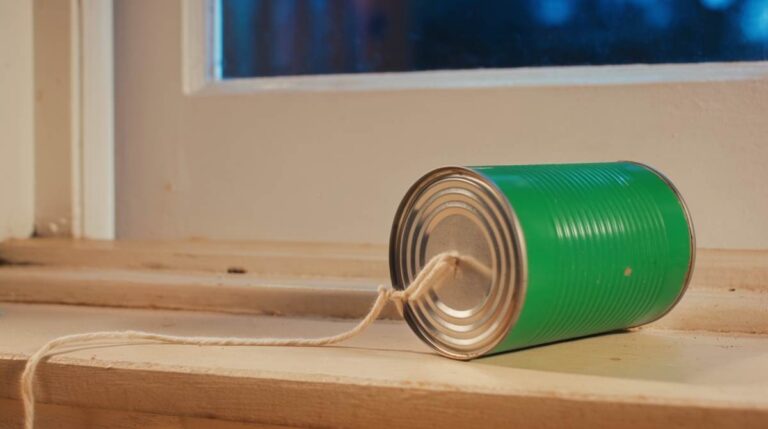
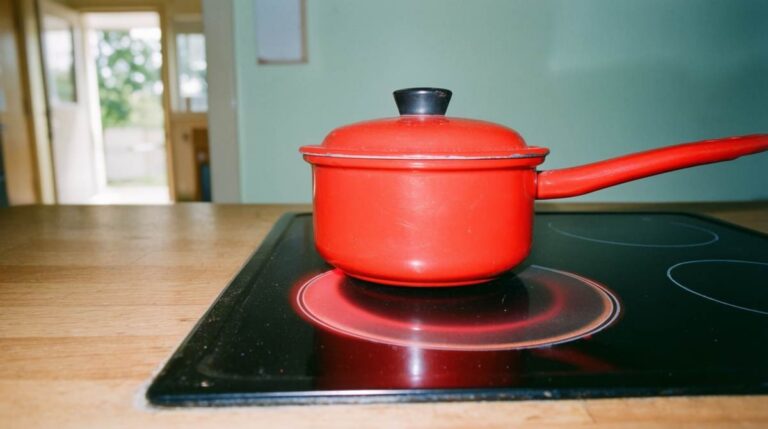
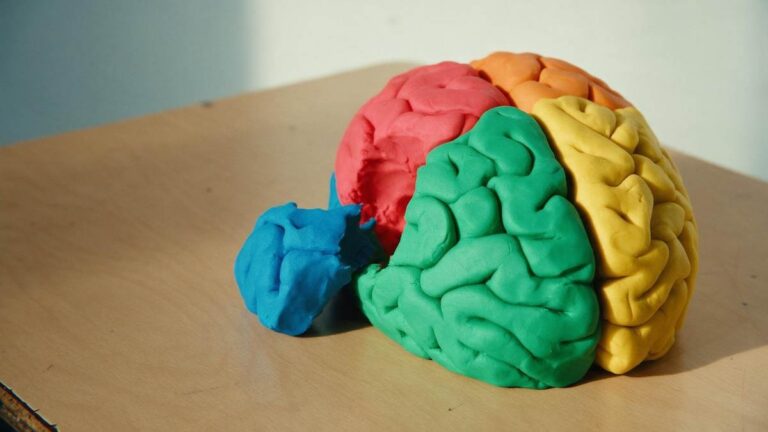
You open your phone notes and find three lines you wrote this morning, each one a promise you meant to keep, none of them carrying the moment it was supposed to happen. The words are perfectly clear; what is missing is the doorway that should have carried them into the afternoon. Which of these intentions will actually surface in time, and which will arrive only after the chance has gone?
Prospective memory is the ability to remember to carry out a planned action at the right future moment, without anyone prompting you. It is what lets you take medicine at dinner, post the letter on the way out, or return a call after a meeting. The useful distinction is between the intended action itself, the what, and the cue that should bring it to mind, the when.
Researchers often describe three stages. An intention is formed, it is held across a delay while life continues, and then it must be retrieved at the right instant. The intention may be clear when you make it but fade during the delay, or it may survive intact and still fail to surface when the moment arrives.
Two ways an intention waits for its moment
The deeper risk is that the whole day becomes a low hum of background monitoring, and attention that is half-spent watching for a trigger is attention not fully on the work in front of you. A practical narrowing helps here: pick one concrete window rather than the vague word evening, and let that window carry the intention. Name the window in terms you can actually meet, such as right after the kettle boils or when the lunch plate goes into the sink. The point is not to schedule every minute but to give the intention one clear doorway instead of a wide stretch of hours. If the window is too broad, split it again until the cue feels almost automatic.
Event-based intentions lean on the moment itself, and laboratory work on everyday goals suggests that tying an action to a specific situation makes the action more likely to fire when that situation appears. Event cues work best when the cue is hard to miss and you will plausibly be there to meet it.
That sting of remembering the errand only after the shop has closed is rarely a one-off; it belongs to a wider pattern of future actions slipping past their cues. If you keep meeting that pattern in different corners of your day, it may be worth a broader look.
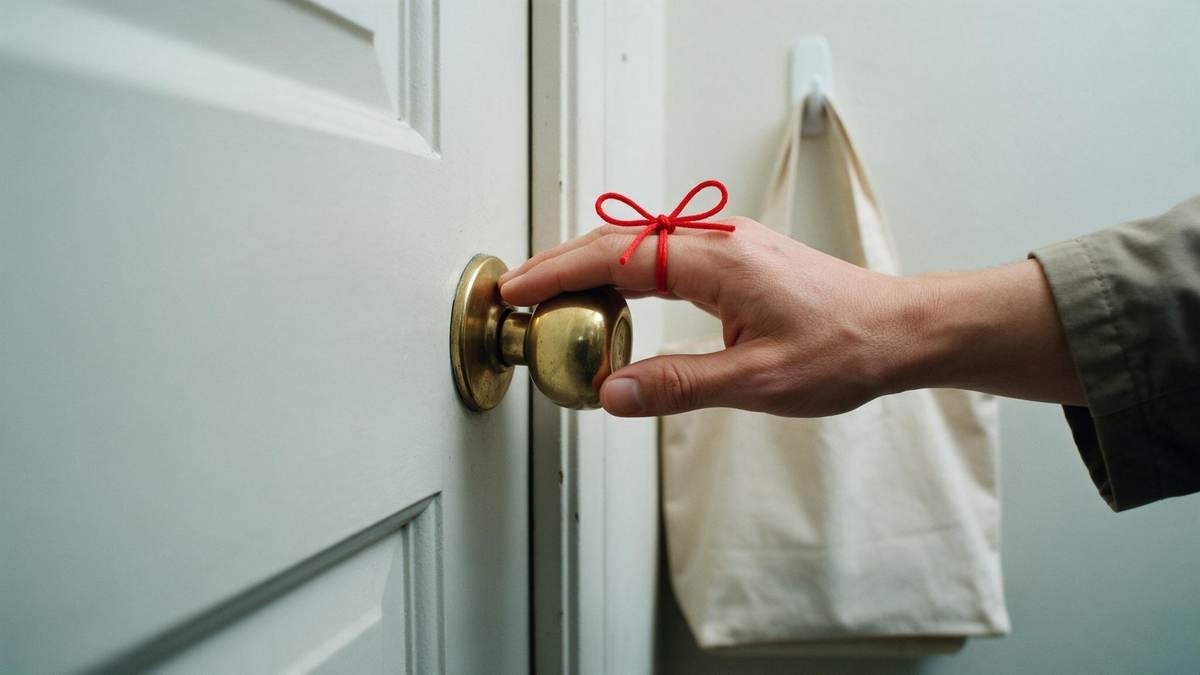 You meant to do it. Why?Why does the right intention meet the wrong momentWatch the video on how an intention meets its cue and where the moment tends to slip past
To explore it, watch the full video presentation about recurring memory slips and the approach it proposes for improving memory.
Three situations that sort the difference
You tell a colleague you will send the file after lunch, and the afternoon meeting runs long. This is a time-anchored intention with no environmental cue, so the honest move is to attach it to something that will definitely happen, such as the moment you sit back down at your desk, rather than trusting the word later.
You promise to pass on a message when you next see your neighbor. This is an event-based intention, and its strength is that the encounter itself does the reminding, provided you actually notice the encounter as the relevant one. The weakness is that a waving figure across the street may not register as the trigger if your mind is elsewhere, so rehearsing the pairing once, seeing the neighbor and saying the message, gives the cue a better grip.
You remember the library book only as you drive past the branch and watch it shrink in the mirror. The useful response is not self-criticism but redesign: choose a cue that sits earlier on the same route, such as the traffic light before the turn, so the intention meets you while action is still possible.
Where good intentions quietly break down
Dividing attention at the wrong instant is a known hazard: research on interrupted tasks treats them as a special case of prospective memory, because you must resume without anyone prompting you, and performance drops when encoding or retrieval happens under divided attention.
A second limitation is cue vagueness. If you stop halfway through a recipe or a form, leave a visible marker at the exact place where the next action should begin, such as a spoon laid across the bowl or a sticky note on the unfinished line. The marker gives the environment a way to show you where you were, so the break does not become the only cue. When you return, the visible object can pull your attention back to the step that was interrupted rather than leaving you to reconstruct it from memory alone.
External reminders deserve a measured word here. Offloading an intention to a calendar or note can genuinely help, and research on offloading suggests the contents of the task can live outside your head while the awareness that something is due stays active. The tool carries the what; you still carry the when. A note that says call the clinic is only useful if you see it at a moment when calling is possible, so place it where the relevant action already happens, such as beside the phone or on the desk where you make appointments.
A boundary worth respecting and a next step
Most missed intentions of this kind are ordinary, and forgetfulness on its own is a routine part of having a busy mind. That is a different question from the single missed errand, and it deserves its own appointment rather than a late-night search. If those moments begin to crowd the week, the practical step is to write down a few examples and raise them with a health professional who can ask the right follow-up questions.
Choosing the cue for one intention
- Name the future action in a single short phrase
- Decide whether it belongs to a time or to an event
- If it belongs to an event, say the pairing out loud and picture the scene
- If it belongs to a time, set the prompt for the exact window when acting is possible
- Notice tomorrow which kind it was and whether the cue met you in time
For the ordinary kind, the next decision is small and concrete. Take the one future action currently nagging at you, name its content in a single short phrase, and then choose whether it belongs to a time or to an event. If it belongs to an event, say the pairing out loud once, in the form when this happens, I will do that, and picture the scene for a moment. If it belongs to a time, set the prompt for the exact window when acting is possible, not the hour before. Then notice, tomorrow, which kind it was and whether the cue met you in time.
A single missed intention is only an errand that met its cue too late, but the same slip returning week after week changes what you are looking at. Before you rebuild another window, take a few minutes to watch the full video on recurring memory slips.
Reading behind this note
Everything on Everyday slips →
▶ Watch the memory video