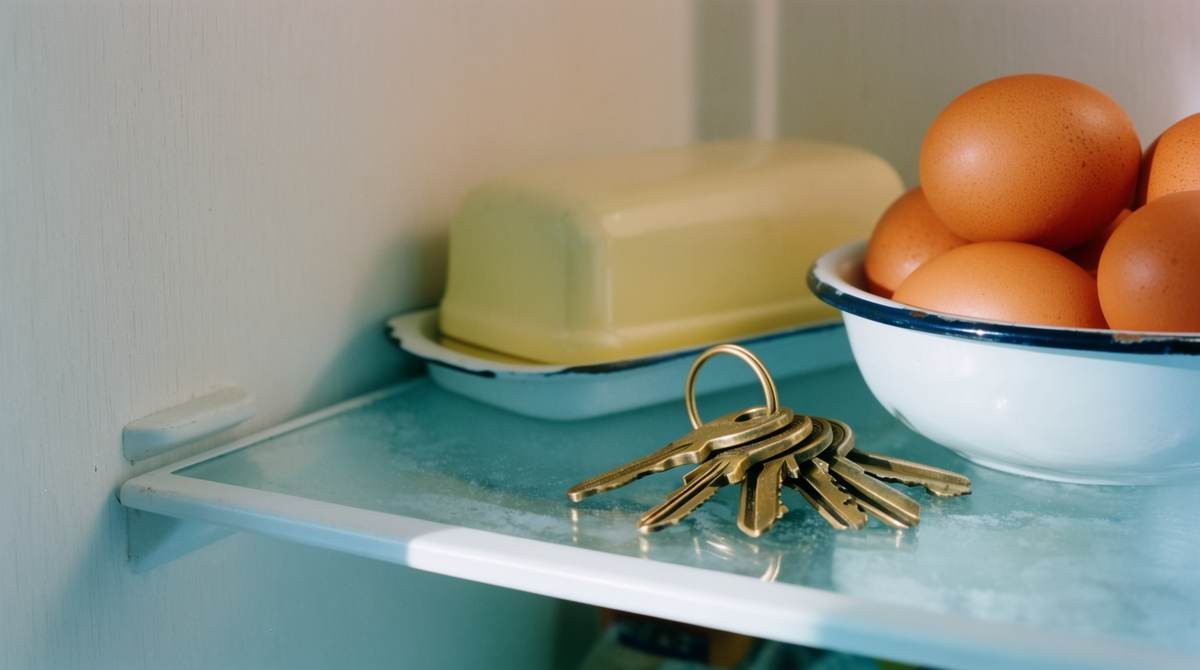
You are standing at the counter with the keys already in your hand, and the thing you came in for has left. The kettle is humming. You check the hook by the door, then your coat pocket, then the counter you have just been at, and the shape of the errand is still there while its name is not. Two minutes later it arrives, ordinary and slightly stupid, and you go back to what you were doing. Everyone has that version. What varies is whether it stays that version. Memory loss has several sources, and only some of them are the one people fear: ordinary age-related forgetfulness, mild cognitive impairment, dementia such as Alzheimer’s disease, or a problem outside the brain altogether, including a medicine side effect, sleep loss, depression, anxiety, a thyroid, kidney or liver condition, a head injury, or low vitamin B12. The National Institute on Aging draws its line at functioning. Forgetting once in a while happens at any age, while serious memory problems make it hard to do everyday things such as driving, using the phone, and finding the way home. So this page walks two things at once: the ladder of how much daily life is affected, and the fork of what is worth checking first.
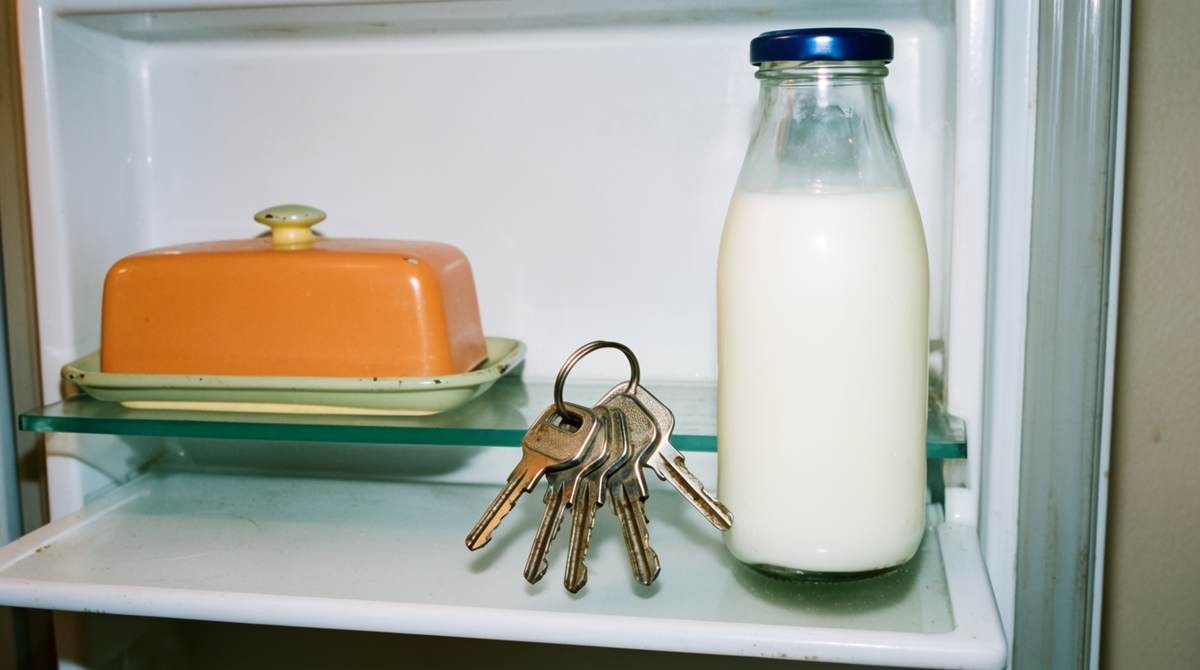 Keys in the fridge? Read this firstWhich rung are you standing onWatch the video that walks the ladder and the fork side by side
The ladder, and what sits beside it
Memory change does not arrive labeled. What you have instead is a set of rungs describing one quantity: how much ordinary life the change is interfering with. Beside the ladder runs a second track of causes with no place on the rungs at all, because a sedating medicine, an untreated sleep problem or a thyroid disorder can produce the same complaint at any level.
Everyday slip: a name, a key, a reason for walking into a room, gone for a moment and back on its own.
Age-related forgetfulness: taking longer to learn something new, misplacing things now and then, forgetting to pay a bill.
Mild cognitive impairment: more memory or thinking trouble than other people your age, while day-to-day tasks and self-care are still handled.
Dementia: loss of thinking, remembering, learning and reasoning, and of behavior, to the point that quality of life and activities are affected.
Beside the ladder: causes unrelated to dementia or to normal aging, many of them treatable once they are found.
Two things are worth holding onto. The rungs are descriptions, not verdicts, and nobody diagnoses themselves from a page. Mild cognitive impairment describes where someone is standing now, not where they are heading, and the NIA notes there is no single cause for it. Age raises the risk, and conditions such as diabetes, depression and stroke may raise it further.
You notice it on a Tuesday, the third time you have asked about the same appointment in one morning, and the answer lands the way it did the first two times. So you start writing things down, then you start checking twice, and then you stop volunteering to drive. The recipe that used to be automatic gets put away. Someone else begins making the phone calls. Nothing dramatic happens that day. What changes is the list of things you are willing to attempt alone, and it gets shorter without anybody naming it out loud.
How do you tell ordinary forgetting from mild cognitive impairment?
The practical test is not whether you forgot. It is whether the forgetting has begun costing you tasks you used to manage. Mild cognitive impairment shows up as losing things often, forgetting to go to events or appointments, and having more trouble coming up with words than other people of the same age, while the person still takes care of themselves and carries out normal daily activities. Family and friends often notice first, which is why a second set of eyes at the appointment earns its keep.
Making a bad decision once in a while, set against making poor judgments and decisions a lot of the time.
Missing a monthly payment, set against problems taking care of monthly bills.
Forgetting which day it is and remembering it later, set against losing track of the date or the time of year.
Sometimes forgetting which word to use, set against trouble having a conversation.
Losing things from time to time, set against misplacing things often and being unable to find them.
An estimated 10 to 20% of people age 65 or older with mild cognitive impairment develop dementia over a one-year period, according to the NIA, and the same source is careful with the rest of that sentence: not everyone does, and in many cases symptoms stay the same or even improve. Memory loss is also not the only sign of dementia. Language, visual perception and attention can be affected, and some people notice personality changes.
What to check first
Before the long list, the fork. Where the change sits in time decides the next step, and the branches do not lead to the same place.
Sudden confusion arriving over hours or less, or a sudden change with weakness, trouble speaking, or a hard blow to the head: call 911 or go to the emergency room.
Gradual or worsening change over weeks: make an appointment, and say when you first noticed it.
Change following a new medicine, a run of poor sleep, or a heavy stretch of stress: write down the timing before you go.
Change already affecting day-to-day life: see a doctor, because the treatment depends on the cause.
Then the list itself. Memory problems can come from a head injury such as a concussion; blood clots, tumors or infections in the brain; thyroid, kidney or liver problems; medication side effects; depression and anxiety; alcohol or drug misuse; sleep problems; low levels of vitamin B12; or not eating enough. Memory problems that stem from a treatable medical condition usually ease once that condition is treated, the NIA says. Finding the cause is what determines the course of action, which is why a doctor’s first job is to ask questions rather than to name something.
There is a longer version of this recorded at the desk, and if hearing it suits you better, watch the full video before you go further.
Why the list is longer than you expect
Most people arrive at this subject holding one explanation already, and the appointment usually ends with a longer list than they brought. That is the useful part. A doctor asking about a missed bill is not building a case for the explanation you fear; they are working down the list, because memory problems caused by a medicine are not treated the way memory problems caused by depression are treated, and neither is treated the way a problem inside the brain is treated.
Everyday slip or a change worth checking
| Everyday | Worth checking |
|---|---|
| A bad decision now and then | Poor judgments and decisions a lot of the time |
| Missing a monthly payment | Problems taking care of monthly bills |
| Forgetting which day it is, remembering later | Losing track of the date or the time of year |
| Sometimes forgetting which word to use | Trouble having a conversation |
| Losing things from time to time | Misplacing things often and unable to find them |
Two habits get in the way. The first is waiting, and the NIA’s advice is plainer than the waiting: talk with a doctor if you are experiencing noticeable changes in your memory. The second is self-diagnosis, from a quiz or a comparison chart read alone at night. The comparison two sections back is a fork for deciding what to do next, not a verdict you hand yourself. We keep coming back to this one.
The ordinary week: sleep, stress, and what you take
The NIA’s everyday list is unglamorous, and it is worth reading as a list: learn a new skill; follow a daily routine; plan tasks and use calendars and notes; keep keys, wallet, phone and glasses in the same place each day; stay involved in activities that engage both mind and body; spend time with friends and family; get enough sleep, generally seven to eight hours each night; exercise and eat well; prevent or control high blood pressure; avoid or limit alcohol; get help if you feel depressed for weeks at a time.
Where the change sits in time
- If sudden confusion arrives over hours or less, then call 911 or go to the emergency room
- If change is gradual or worsening over weeks, then make an appointment and say when you first noticed it
- If it follows a new medicine, poor sleep or heavy stress, then write down the timing before you go
- If it already affects day-to-day life, then see a doctor, because the treatment depends on the cause
Then there is the run of bad weeks. Retirement, the death of a spouse, a move, a long stretch of worry: stress and negative emotions are powerful, and trying to manage such changes leaves some people confused or forgetful. These problems are usually temporary and improve as the stress and the emotions fade. If the memory problems persist after a few weeks, talk with your doctor, because persistence is what changes the question. There is a longer walk-through of this stretch of the subject on the desk, and if hearing it suits you better, watch the full video before you go further.
So the larger question stays open, and it is the one that keeps people reading at this hour: why do some slips stay ordinary for years while others begin a sequence that does not stop? Mild cognitive impairment is a description of now, not a forecast, and the same label covers people whose symptoms stay the same, people who improve, and people who go on to something else. Which of those you are standing in cannot be read off a kitchen table.
What happens at the appointment
The first appointment is mostly questions. A doctor will ask what you have been noticing, to try to find the cause, and bringing someone who can describe the problems from the outside makes those answers better. It may end with a referral to a neurologist or a memory specialist for an in-depth assessment, and further tests, such as scans, may sometimes be needed. Any treatment recommended will depend on the cause. Where memory problems are present, the NIA suggests a follow-up every six to 12 months to keep checking them.
Asking the same questions over and over again.
Getting lost in places you used to know well.
Having trouble following recipes or directions.
Becoming more confused about time, people, and places.
Not taking care of yourself: eating poorly, not bathing, or behaving unsafely.
Any of those, or a change that is gradual and getting worse, is a reason to make an appointment. Do not try to work out the cause on your own.
The categories on this page only get you as far as the door. When you are ready to go through it properly, watch the full video and keep the questions you arrived with.
In this section
- Cognitive decline: which thinking skills slow with age, which improve, and the signs that don’t fit
- Memory loss treatment: which causes are treatable, and what helps when they aren’t
- Mild cognitive impairment: the in-between stage, and why it doesn’t always progress
- Short-term memory loss: real-life examples, the common causes, and the signs worth a doctor’s visit
- Why Is My Memory So Bad All of a Sudden? The Common Causes, Checked One by One
- Can depression cause memory loss? How low mood can look like dementia, and what tends to improve when mood does
- Drugs that cause memory loss: the common medicines worth a conversation with your doctor
- Transient global amnesia: the sudden, hours-long memory blank that mostly affects people over 50
- Types of amnesia and memory loss: the names doctors use, in plain English
- Mild cognitive impairment ICD-10 codes: what the code on your visit summary actually says
- Short-term memory loss in young adults: why it happens in your 20s, and when to worry
Every note on Memory loss & dementia
Dementia signs
 Socks in with the spoons again?What is dementia? The meaning in plain English, and how it differs from normal forgetting“I asked him the same question three times before lunch,” your sister says, and you hear the pause before she admits she has stopped correcting him.
 Glasses in the sugar? Read this firstEarly signs of dementia: the 10 warning signs, set side by side with normal forgettingYou are holding a phone in the hallway, thumb paused over a contact you have called a hundred times, and the name will not come. The moment lasts only a second or two, but it leaves a small cold mark.
 Slippers in the cupboard again?Alzheimer’s disease symptoms: why recent memories go first, and the early signs families noticeThe remote control is in the fridge, next to the milk, and you don’t remember putting it there. You stand in the doorway holding the cold plastic, trying to replay the last ten minutes, but the sequence simply isn’t there.
 Early dementia in your 50s?Early-onset dementia: what it looks like in your 40s and 50s, how rare it really is, and what else causes the same slipsThe silence after the front door clicks shut is the first thing you notice. Your keys are still in your hand, but the reason you walked back inside has already dissolved.
 Is it dementia or menopause?Early signs of dementia in women, and why menopause memory changes aren’t the same thingYou walk into the kitchen and stand there, hand on the fridge handle, unable to remember what you came for. Or you blank on a colleague’s name mid-sentence, then feel a small, cold spike of fear.
 Quiet changes before memory slips?Early signs of dementia in men: the quieter changes that can come before memory slipsYour son pauses at the door and asks why you have stopped taking the dog out in the morning. You say you are just tired, but the truth is you cannot find the reason to go. The question that stays is why the wanting itself has gone quiet.
Dementia types stages
 Do you mix up Alzheimer’s and dementia?What is Alzheimer’s? How it differs from dementia, and why ‘which is worse’ is the wrong questionYou were about to say her name, the woman two doors down you have waved at for years, and the word simply was not there. You covered it with a smile and kept talking, and the pause stayed with you afterward.
 Fighting in dreams? Read this firstLewy body dementia: the early signs that often show up before memory lossYou reach across the bed to still your partner’s arm and he flinches as if you are a stranger. The lamp is on, the quilt is half on the floor, and he is looking past you with eyes that do not settle.
 Sitting apart? Here is whyFrontotemporal dementia: why it often starts in the 50s with personality or language changes, not memoryThe story ends and the room goes quiet in a way it never used to. You wait for the usual follow-up question about your day, but it does not come.
 Slowing down, not forgetting? See whyVascular dementia: why slow thinking can come before forgetting, and what raises the riskYou are holding a bill you have read twice already, and the numbers refuse to line up into anything you can act on.
 What are the dementia stages?Dementia stages: the 7-stage scale explained, and what each stage looks like at homeIt is the second morning the glasses are missing, and this time the worry arrives before the search does.
 Dementia signs that aren’t memory?Types of dementia: the 4 main kinds, what causes each, and why the first sign isn’t always memory“Have you been having trouble finding words lately?” your daughter asks, gently, and you say no before you have finished thinking about it.
Memory loss normal vs worrying
 One piece missing? Read this firstMild cognitive impairment: the in-between stage, and why it doesn’t always progressYou are standing in the kitchen holding your phone, trying to remember why you walked in. You set it down, find your glasses on the counter, and then miss an appointment you had written on a sticky note that fell behind the toaster.Keys in the fridge? Read this firstMemory loss: when it’s normal aging, when it’s treatable, and when to get checkedYou are standing at the counter with the keys already in your hand, and the thing you came in for has left. The kettle is humming.
 Which thinking skills slow with age?Cognitive decline: which thinking skills slow with age, which improve, and the signs that don’t fitThe house keys are in the fridge, next to the milk, and you don’t remember putting them there. The moment is small, but it sits with you through the rest of the morning.
 Forgot what you came for? Read thisForgetfulness: which slips are normal age-related memory loss, and which deserve a closer lookForgetfulness: learn which memory slips are normal age-related changes and which signs deserve a closer look, with practical ways to track your own pattern.
 What does the MCI code mean?Mild cognitive impairment ICD-10 codes: what the code on your visit summary actually saysYou are holding the printed visit summary in both hands at the bottom of the stairs, the dryer still buzzing down the hall. You have read the diagnosis line four times and each reading sounds like a different sentence.
 Memory suddenly getting worse?Why Is My Memory So Bad All of a Sudden? The Common Causes, Checked One by OneYou walk into the kitchen and stand there, hand on the fridge handle, with no idea what you came for. A month ago that was a joke. Now it happens twice a day, and you have started to wonder whether something is changing in your brain.
 Sudden confusion what should I do?Sudden memory loss or confusion: what to do right now, and what it can meanYou are mid-sentence when the thought you were holding simply is not there anymore. You look at the person across from you and cannot place how the conversation started.
 Forgetting yesterday’s events lately?Short-term memory loss in old age: why yesterday fades while old stories stay sharpShort-term memory loss in old age explained: why recent details fade while old stories stay sharp, and how attention, rehearsal and sleep shape what you remember.
 Should memory loss be checked?When to worry about memory loss: the changes that mean it’s time for an assessmentThe kettle clicks off and the room goes quiet, but you are still standing by the counter trying to remember whether you already put the tea bag in.
Dementia treatment research
 What can Alzheimer’s drugs do?Alzheimer’s medication: what each type of drug does, and what none of them can do yetYour sister is on the phone, repeating what the neurologist said about the new infusion, and you can hear the hope in her voice as she says the word “amyloid.” She wants to know if this one is different, if this one actually fixes it.
 Which dementia treatments help today?Dementia treatment: what helps today for each type, with and without medicineAt a friend’s door, coat still on, she supplies the name you were reaching for before you knew you had lost it — and only then do you realize she has been noticing for a while.
 Blood test for Alzheimer’s?Is there a blood test for Alzheimer’s? What the new tests measure, who they’re meant for, and what a result meansYour sister is halfway through a sentence — “I don’t want to make a big deal of it, but you asked me that yesterday” — and you realize you have no memory of asking. You set down your phone and try to reconstruct the last day.
 Why this key will not turnAlzheimer’s treatment research: where it really stands, and why progress is so hardYou are sitting at the table with a blister pack in your hand, the foil dimpled where yesterday’s tablet was pushed through, and a phone lying face up beside it with a headline about a new treatment.
Short term memory loss causes
 Hours-long memory blank after 50?Transient global amnesia: the sudden, hours-long memory blank that mostly affects people over 50The mug is warm in your hand and the edge of the counter presses into your hip. Someone in the room asks what you are doing here, and you answer. Two minutes later you ask where everyone is going, though nobody has moved.
 Short-term memory loss or normal aging?Short-term memory loss: real-life examples, the common causes, and the signs worth a doctor’s visitYou have started dialing a number you read off the screen a moment ago, thumb hovering, and the digits are simply gone.
 Can memory loss be treated?Memory loss treatment: which causes are treatable, and what helps when they aren’tA friend asks you, over the phone, whether you have been forgetting things more lately, and you pause with the grocery list still in your hand. The question stings because you have noticed it too.
 What amnesia terms mean?Types of amnesia and memory loss: the names doctors use, in plain EnglishYou are mid-sentence and the word is simply not there. You know the shape of it, you have used it a hundred times, and your hand is wrapped around the same coffee mug you always reach for while your mouth waits.
 Low mood causing memory loss?Can depression cause memory loss? How low mood can look like dementia, and what tends to improve when mood does…and then she asks what you did on Tuesday, and the answer was there a second ago. Your sister is still talking when her voice drops into the pause you keep leaving, the one where you were going to say a name.
 Could your medicines cause memory loss?Drugs that cause memory loss: the common medicines worth a conversation with your doctorThe room goes quiet for a beat after you look down and realize Tuesday’s tablet was taken this morning and again just now, the small lid still open on the dresser. Nothing feels different yet, which is the unsettling part.
 Two different shoes again?Short-term memory loss in young adults: why it happens in your 20s, and when to worryThe note app is open on your phone and there is a name in it you do not remember writing down. You typed it mid-conversation, sure of it, and now the sentence it belonged to is gone. The person is still talking.
Memory tests
 MoCA test: what does it check?Montreal Cognitive Assessment (MoCA test): the 30-point screen, part by part, and what scores meanThe pencil is short, the form is printed on stiff paper, and someone is asking you to hold a short list of words until they tell you to give them back. You give back all but one, and the missing one is the one you were sure of.
 What does this pencil test cover?MMSE (Mini-Mental State Exam): what the 30 points cover, the usual cut-offs, and how it differs from the MoCAYou are half-way through rehearsing those three words again, mouthing them in the parking lot before you start the car, because the score came back in the usual range and you decided not to mention the missed turn.
 Worried about your own memory?Memory Test: A 10-Minute Self-Check, and What Your Result Can’t Tell YouYour neighbor pauses mid-sentence, glances at the hallway, and asks if she already told you about the plumber. The question hangs there while you both try to retrace the last three minutes.
 Should you take the Mini-Cog memory test?Mini-Cog Test: The 3-Minute Memory Screen Doctors Use, Step by Step, and What It Can’t Tell YouYou are in the exam room because a name slipped away twice last week, or because your daughter asked whether you had noticed the calendar confusion.
 This sheet and pencil for your memory?SAGE test: the 12-question dementia screen you can take at home, and how it’s scoredThe pencil stops halfway down the page and the room goes quiet for a beat after you realize the word you wanted has gone somewhere else. You finish the rest anyway and add up the marks at the bottom.
 Names slipping out like this rice?Dementia and memory tests: from online checks to a full workup, and what each can tell youYou are standing at the kitchen counter with the phone in one hand and a notepad in the other, and the notepad already has the same three errands written twice.
 Memory slips in a pattern?Record a useful pattern of memory slipsIt is Tuesday evening and you have just found your work badge in the fridge, next to the milk you forgot to put back.
Dementia risk
 Can this game lower your risk?Can you lower your dementia risk? What the 14 modifiable risk factors mean after 45The silence comes right after you stop writing, the line about family history left unfinished on the sheet beside the pen. You came looking for a yes or a no and got a list of conditions that can be measured instead.
 Straining to catch this dinner talk?Hearing loss and dementia: why it’s one of the biggest risks you can still changeThe reply was already forming when the table laughed, and you realized you had caught the rhythm of the joke, not the words. You nod anyway, and it passes for agreement.
 Does Alzheimer’s run in families?Is dementia hereditary? What a parent’s Alzheimer’s diagnosis does and doesn’t mean for your own riskYour father’s coat hangs by the door with the car keys still in the pocket, while he checks the hall table for them a second time.