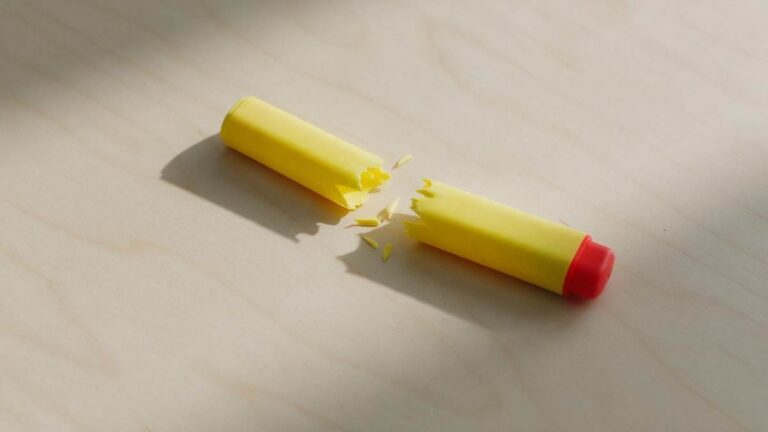
You are three lines into a page of notes and the words are sliding off it. The cup has left a brown ring at the corner of the sheet. You read the sentence again, and each pass leaves less behind. A colleague asks what the paragraph said, the page is still under your hand, and none of it is available. The query that brought you here usually wants a yes, and there is not one. Good human trials on a photographic memory are scarce, and published guidance gives no dose for building one. A study that settled it would have to show people recalling material they were never asked to encode, later and without cueing, rather than performing a rehearsed trick on command. Nobody has shown that a camera-like memory can be trained. What memory athletes do instead is procedure. They choose material, place it somewhere with a fixed shape, and return to collect it. Three tools cover most of it: a vivid image, a route through a place you know, and a set of substitutions for anything that has no shape of its own. Which one you want depends on what you are holding.
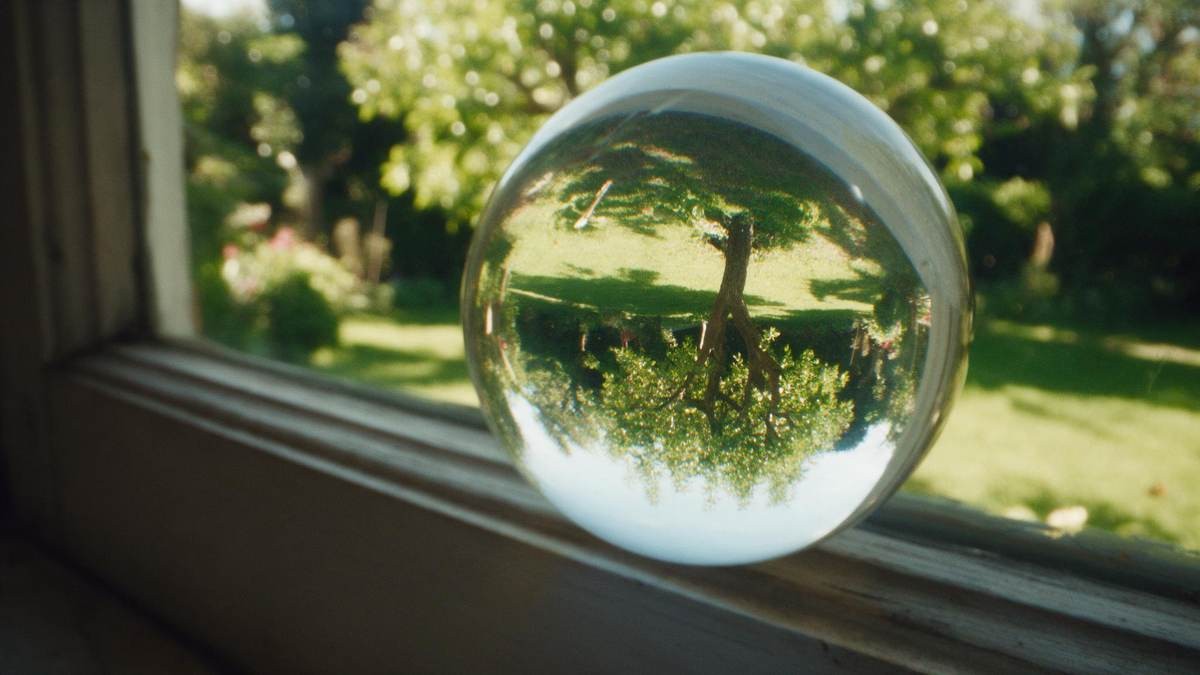 This ball flips the tree upside downWhat they do insteadWatch the video on the routes, pegs and substitutions memory athletes reach for instead
Which technique fits which material
For pages you have to absorb once: walk a room you know with your eyes closed and leave one idea at each stop. For faces and names: bind the name to an image of the face doing something with the sound of it. For numbers: turn the digits into a word or a person before you place them. For lists: hang each item on a peg, a short fixed set you never rearrange.
The split is not a matter of taste. A route supplies the order a page already has, so it suits material where sequence matters. A peg supplies order to material that has none, which is why a shopping list sits well on it and a paragraph does not. Faces and names need the second half of the pair to be strange, because the ordinary version never gets encoded at all.
The cost shows up in how you choose what to study. Once the route works, material that fits it gets your time: the page that pegs neatly, the list you can walk, and the argument that only makes sense when read slowly gets skipped. Every review session opens with building images instead of reading. Then a question arrives worded differently from the page you rehearsed, and the route returns nothing, so you rehearse harder and start leaving anything unfiled alone.
Why the route should be boring
The corridor you build on is not decoration. Three conditions do the work: the place is already familiar, the path runs in one direction, and the stops stay where you left them. A hallway you are still exploring takes the attention you meant to give the idea, and a stop you move quietly vanishes later with everything on it.
This is where the technique earns its keep and where it charges you. The route is built once and reused, so the storage cost is paid in advance and only the contents change. You either keep a route ready or you accept that some things will pass through.
We keep this trade-off on the desk and argue about it more than is useful, so if you would rather not settle it by reading, you can watch the full video.
What happens when the image will not come?
It fails at abstraction. A concrete noun is easy to exaggerate; a clause about causation is not, and forcing it into a picture costs seconds you do not have while reading. There is also a limit on attention: encoding twice, once for meaning and once for the image, means neither pass is complete. For a short passage you will read once and never return to, plain rereading often wins.
What holds and what does not
- Myth: camera-like recall can be trained. Fact: nobody has shown it
- Myth: athletes remember everything in ordinary life. Fact: they decide to remember
- Myth: any corridor will do. Fact: the place must already be familiar
- Myth: every passage deserves images. Fact: plain rereading often wins for short material
The first seven days
Day one: choose the room and walk it twice with nothing in it. Day two: place one idea at each stop and walk it back. Day three: run the route in reverse to test whether the stops hold. Day four: build a second route for a different kind of material. Day five: put a list on the pegs and read it back cold. Day six: turn a run of digits into people and place them. Day seven: retrieve everything without looking, and note which stop failed.
The check at the end is not whether recall was perfect. It is which stop slipped and why: too vague, moved, or never given an image in the first place. Repair that one and run the week again. Nobody has published a schedule for practice of this kind, so treat the week as a starting shape rather than a prescription.
Why does material you never placed anywhere come back years later, unbidden, while a route built with care can vanish between two sittings? Nobody has a settled answer, and the honest version is that the two events may not be the same process at all. We are leaving that question open here.
Does any of this reach the keys and the names?
Only when you invoke it. Everything above runs on purpose: you decide to encode, you place the item, you walk back. A name heard in a hallway gets no decision and no image, and the technique never fires. This is the gap the page ends on, and it is why athletes are not people with better memories in ordinary life. They are people with a habit of deciding to remember.
Which leaves the everyday side. Memory trouble has more than one cause, and a missed name is not the same event as a lost stop on a route you built yourself. If a change is persistent or getting worse, see your health care provider rather than tuning the technique further.
You will know within the first week which of the four goals you were actually chasing, and whether the gap at the end is the one you meant to close. Keep that observation for when you have somewhere to put it: watch the full video.
Everything on Memory training →
▶ Watch the memory video