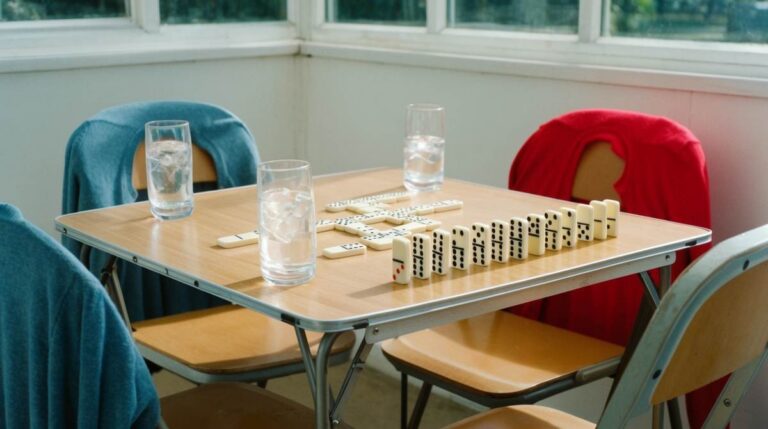
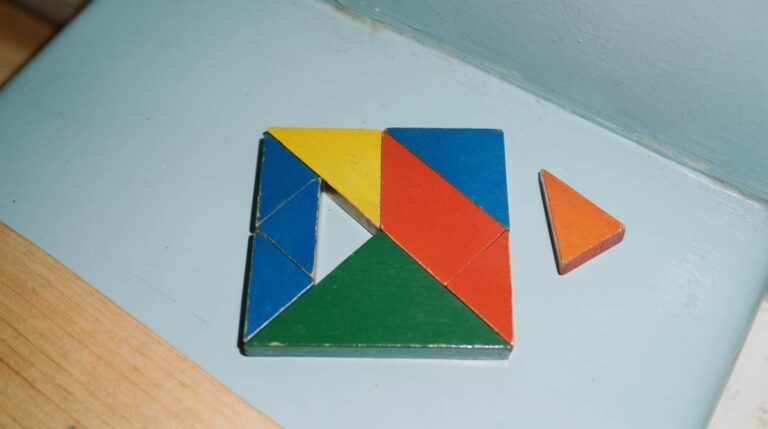
You are looking at a picture of a kitchen table after breakfast: a blue mug, a folded newspaper, two keys on a ring, a half-eaten slice of toast on a white plate, and a small potted cactus near the window. You study it for thirty seconds, look away, and then try to answer a few questions about it. The tension is familiar: you can picture the scene in a general way, but the specific details slip the moment you try to name them. The useful answer is that missing most details is normal, and no quick test can detect a photographic or eidetic memory. Good evidence on photographic memory tests is limited, and this informal check has no published norms, so it cannot tell you anything about your memory health. What it can do is give you a clear, timed way to notice how much visual detail you keep from one picture, which is a short-term visual skill, not a diagnosis.
What a picture-detail check actually exercises
When you study one scene and then answer questions about it, you are using short-term visual memory. This is the system that holds a small amount of visual information for a few seconds or minutes. It is the same system you use when you glance at a map and then look up to walk, or when you check a recipe and then turn back to the pan.
What this kind of check cannot show is whether you have an eidetic memory. Eidetic memory is the ability to hold a detailed image in mind for a short time after it is gone, as if you were still looking at it. It is reported more often in children than in adults, and it is not the same as a photographic memory that stores a perfect copy forever. No quick test can detect eidetic memory, and this informal check is not designed to try.
This check also cannot show anything about your overall memory health. A low number of details kept is not a sign of a problem, and a high number is not a sign of protection. The public health guidance and published research contain no study, trial, participant count, or percentage about photographic memory tests, so any claim about what a score means would be invented. The honest position is that good evidence is thin.
Run the self-check now
You will need a picture with several distinct objects, a timer, and a way to write down your answers. Choose a picture you have not studied before, such as a page from a magazine or a photo on a device. Set the timer for thirty seconds and study the picture without writing anything down.
How to run the picture check
- Choose a picture you have not studied before
- Set a timer for thirty seconds and study it
- Cover the picture when the timer ends
- Answer five questions from memory
- Check each answer against the picture
When the timer ends, cover the picture and answer these questions from memory: What colors were the two largest objects? How many separate items were on the left side? What was the smallest object you noticed? Was there any text, and if so, what did it say? What was in the background?
Now count how many of those five questions you answered with a specific, correct detail. That number is your details kept out of five. There are no score bands, norms, or labels for this result, because this informal check has no published norms. If you kept two details, that is a normal outcome. If you kept four, that is also a normal outcome. The number is simply a snapshot of one attempt.
A second round with a simple grid pattern
The first round asks you to hold a whole scene. The second round narrows the task. Draw a three-by-three grid on a piece of paper and place a different small shape in each cell, such as a circle, a square, a triangle, a star, a cross, a dot, a line, a squiggle, and a diamond. Study the grid for thirty seconds, then cover it.
What this check can and cannot do
- Can it detect eidetic memory? No quick test can detect eidetic memory.
- Can it show memory health? No, it has no published norms.
- Can a low score mean a problem? No, missing most details is normal.
- Can a high score mean protection? No, it is not a sign of protection.
- What does it show? How much visual detail you keep from one picture.
Answer these questions: Which shape was in the center cell? Which shape was in the top right cell? Which two shapes were in the bottom row? Which shape was directly above the star? Which shape was directly to the left of the cross?
Again, count how many of those five questions you answered correctly. This is your details kept out of five for the grid round. The grid is easier for most people because the positions are fixed and the shapes are simple. A difference between your two rounds does not mean anything about your memory health. It only shows that the type of material changes how much detail you keep.
What the answer key looks like
For the first round, the answer key is the picture itself. After you have written your answers, uncover the picture and check each one. A detail counts as kept only if it is specific and correct. Saying the mug was blue when it was green does not count. Saying there was a mug when the question asked for the smallest object does not count.
For the grid round, the answer key is the grid you drew. Check each answer against the actual position and shape. A shape counts as correct only if both the shape and the cell are right. Saying the star was in the top right when it was in the center does not count.
Because there are no published norms for this check, the answer key is not a scoring sheet. It is simply a way to see which details you kept and which you did not. You may notice that you kept the color of the mug but not the number of items on the left, or that you kept the center shape but not the bottom row. That pattern is information about how your attention moved, not about your memory health.
If a low result comes with real-life worry
A low number of details kept on this check is not a reason to worry on its own. Forgetting details from a picture you studied for thirty seconds is normal. But if you have a persistent or worsening change in your everyday memory, such as forgetting how to use your phone or find your way home, that is a different matter. Those changes can have several causes, including stroke, depression, head injuries, blood clots or tumors in the brain, kidney, liver, or thyroid problems, and reactions to certain medicines.
This informal check is not a diagnostic or clinical memory test. It cannot tell you whether you have a memory problem, and it cannot tell you that you do not. If a low result here comes with real-life worry, route that worry to a doctor rather than reassuring yourself. A health care provider can look at the full picture, including your medical history and any medicines you take.
You may also want to look at the cognitive-test pages on this site, which cover word-list and digit-span checks. Those checks are different from this picture-detail check, and they have their own limits. This page links to them instead of repeating them.
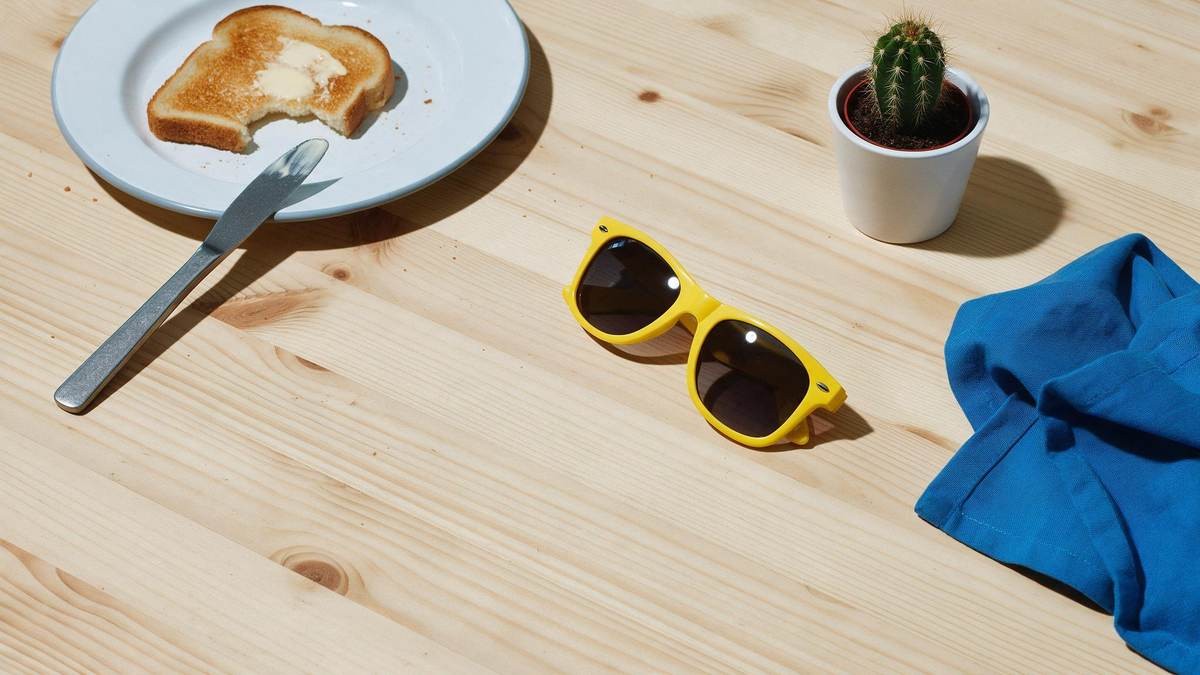 Can you remember these five items?Which round did you keep more fromWatch the video to see how the two rounds of this picture check actually play out
If that keeps happening to you, watch the full video about the wider pattern behind slips like this one.
If this has happened more than once, the single slip is the small version of it, and watch the full video to hear how that wider pattern is framed.
Everything on Memory training →
▶ Watch the memory video