The receptionist is already saying it: “Do you have the letter?” Your hand hovers over the bag, and you realize the answer is a guess. The appointment was never the problem. The paper was. So why does the thing you actually need keep staying behind?
You remember the appointment. The calendar entry is right, the alarm is set, and you will leave on time. The failure happens earlier and quieter: the referral letter is still in a drawer, the printed form is somewhere in a stack, or the insurance card never made it into the bag. Remembering to bring documents is a different problem from remembering the appointment itself.
The useful answer is to build the document list from the actual instructions and attach it to the moment you leave. Find the confirmation email or letter, write down each required paper by name, gather them into one spot, and put that spot in the path of your departure. The checklist works because it is tied to the trip cue, not because you trusted your memory to hold one more thing.
What follows is how to handle the three ways this plan gets complicated: when only paper originals count, when the proof exists only on your phone, and when the document you need is in someone else’s hands.
Pull the document list from the instructions
Start with the actual instructions for this appointment, not a general packing list. Confirmation emails, letters, and text messages often specify which documents are required; find that instruction and read it again rather than relying on what you think was requested. The list of required papers lives in that source, and your job is to pull the document names out of it, not to guess.
Gather papers from the instructions
- Find the confirmation email or letter
- Read the required documents section again
- Write each named paper on its own line
- Put the list on the bag or keys
- Touch each item while reading the list aloud
Once you have the names, write a short list with each required paper on its own line. Keep the list small; if it grows past a handful of items, you have probably mixed in things you only might need. The working rule is simple: anything the instructions name explicitly goes on the list, and anything you are merely worried about goes in a separate maybe column that you can review once the named items are gathered.
Put the list somewhere you will see it when you handle the papers, not buried in the same app that holds the appointment time. A note on the kitchen table or a sticky note on the bag works because it sits in the path of the physical task. The point is that the list is present when your hands are on the documents, so checking an item off is a physical act, not a mental promise.
Two moments when papers get left behind
You remember the appointment is tomorrow at ten, but the papers it needs are still scattered. The fix is to attach the document search to the departure itself: put the written list on top of the bag or keys you will carry out, and gather each named paper into that spot tonight. When the papers live with the thing you will definitely pick up, remembering the appointment and remembering the documents stop being two separate tasks.
Digital copies and originals
- Myth: A photo of a form counts as the form.
- Fact: A screenshot only reminds you what to look for.
- Myth: A digital ticket will open when you need it.
- Fact: Download or print it before you leave.
You are ready to leave and the bag is zipped, but you are not sure every paper made it in. Before you walk out, take thirty seconds to read the list aloud and touch each item in the bag as you name it. That physical check at the departure point catches a missing paper while you can still fix it, which is the whole reason the list was placed with the bag in the first place.
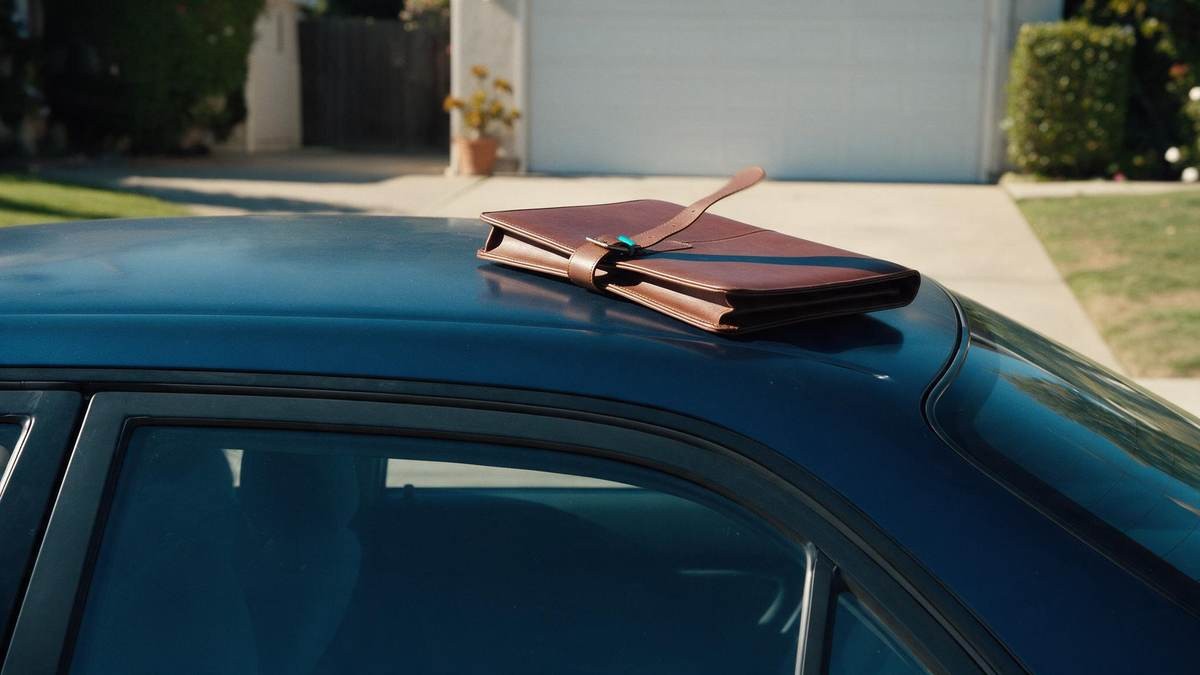 Is it still on the roof?The document was in the drawer all alongWatch the video to see why the paper stays behind even when the appointment is in your calendar.
If your calendar is correct and the departure bag is packed except for one required paper, watch the full video to see the approach the presentation proposes for improving memory. The checklist you build today settles this trip; the wider pattern of intentions that keep slipping at the last step is what the presentation addresses.
When only a paper original will do
Some appointments require paper originals, and that changes what counts as ready. A screenshot of a form is not the form, and a photo of a certificate is not the certificate. If the instructions say bring the original or a certified copy, the digital version only tells you what to look for; it does not complete the task. Check the wording early enough that you can still request a replacement if the original has gone missing.
When a paper is missing
- If the original is gone, call before you travel.
- If the document is with someone else, agree on a handoff spot.
- If the other person cannot find it, decide whether to go anyway.
A useful distinction here is between proof and reminder. A photo on your phone can remind you that a document exists and even show its details, but it cannot stand in for the paper when the office insists on the physical item. Treat the digital copy as a search tool: it tells you the document number, the issuing body, and what the original looks like, which makes the hunt for the paper faster.
If you discover the original is missing the night before, decide quickly whether the appointment can proceed without it. Some offices will reschedule, some will accept a later submission, and some will turn you away. A quick call in the morning, before you travel, is worth more than an hour of anxious searching through drawers.
When the proof is only on your phone
The other common snag is that the information exists only digitally, while the appointment expects something you can hand over. A booking reference, a confirmation code, or a digital ticket may live in an email or an account. The task then is to make that digital item travel with you in a usable form, which usually means either printing it or making sure you can open it offline on your phone.
Printing is the safer option when the instructions mention a barcode, a signature line, or anything that must be shown rather than read out. If you rely on the phone, download the file or take a screenshot rather than trusting that you will have signal and remember which app holds it. The failure mode is standing at a desk, scrolling through email while a queue forms behind you, so remove that search from the departure moment.
It also helps to separate the appointment from the documents in your planning tools. A calendar entry tells you when to be somewhere; a list tells you what to carry. If you want a clearer split between those jobs, the distinction behind when to use a calendar or list is worth a look. And if an alert would help, make sure it fires when you can still act on it, which is the point of setting a reminder when you can actually act.
When someone else holds the paper
Sometimes the paper you need is in someone else’s hands. A joint account holder, a spouse, or a family member may keep the document you are supposed to bring. In that case the checklist has an extra step: ask for the item early enough that the other person can find it, and agree where it will be placed so you can pick it up without a second search.
A specific handoff spot removes the ambiguity. If the document will be left on the hall table or tucked into your bag the night before, say so explicitly. Vague plans like I will get it to you soon tend to fail at the departure moment, because soon has no location and no time attached.
If the other person cannot produce the document in time, decide before you leave whether to go anyway. Some appointments can proceed with a promise to supply the paper later; others cannot. Knowing that answer before you travel keeps a missing document from turning into a wasted trip, and it tells you whether the real task is gathering papers or rescheduling.
For the wider routine of leaving home with everything you need, the approach behind building a short leaving-home checklist extends this same idea to keys, wallet, and the rest. The document list is one part of that larger exit check, not a separate ritual.
One evening like this is a nuisance; the same evening returning month after month is a different question, so watch the full video and see what it makes of the pattern.
Reading behind this note
Everything on Everyday slips →
▶ Watch the memory video