“It’s on the radiator shelf,” your partner calls from the hallway, and you already know the keys are not there. You check the kitchen island, then the windowsill by the back door, and the familiar heat of a wasted evening starts to rise. The hook by the front door has been empty for three days, and no one can say where the habit went. Why does a spot that worked for a week suddenly stop holding anything at all?
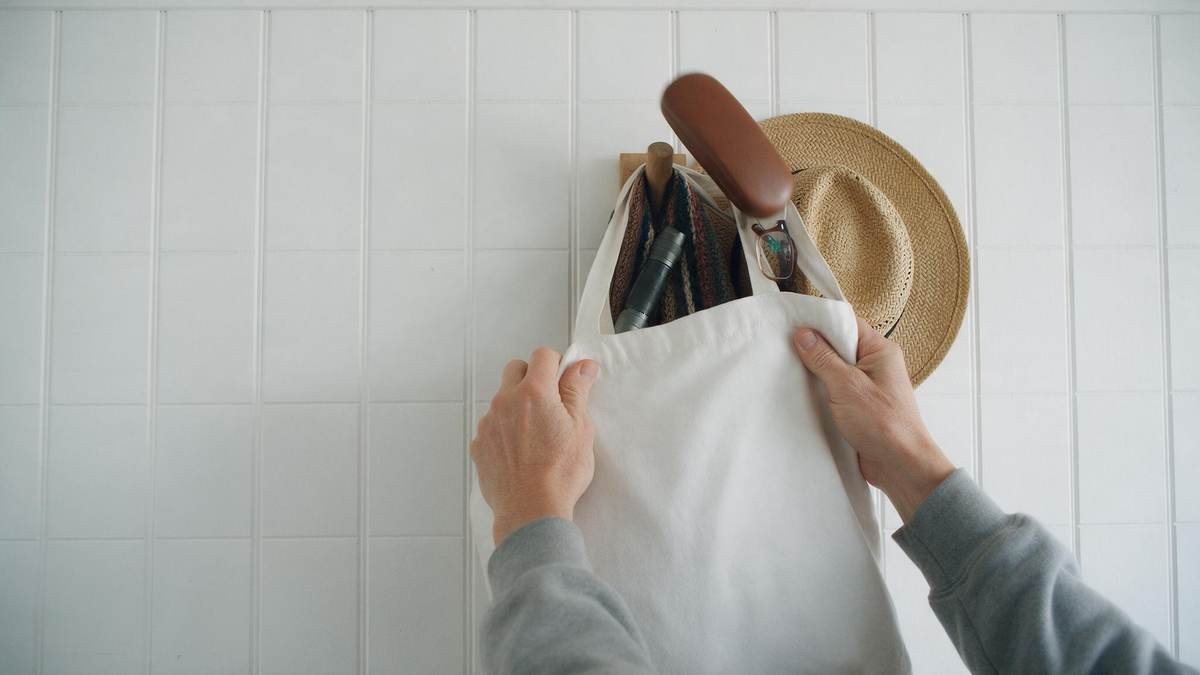 Too much on one peg?The spot that stopped workingWatch the video to see why one small slip keeps returning and what the larger pattern looks like.
The fastest way to stop losing your keys at home is to give them one home that matches where your hands already go, not one that looks organized. Pick the single spot you pass within arm’s reach of the door you actually use, put a tray, hook, or bowl there, and treat every return as non-negotiable for two weeks. That beats the alternative almost every time: the nominal storage place, the drawer or pegboard across the room that you designated once and never visit again.
A realistic drop point works because it sits on the path your body already takes when you come through the door. A nominal storage place fails because it asks you to add steps at the exact moment you are least likely to take them, with your hands full and your attention already inside the house. The rest of this article is about choosing between those two options honestly, and about the three situations that quietly break a single home: arriving loaded, using more than one exit, and sharing the spot with someone else.
The drop point that wins versus the drawer that loses
The realistic drop point wins, and it is not close. A realistic point is the place your hand already travels to when you walk in, given a small upgrade: a hook screwed at shoulder height beside the door, a shallow tray on the console table, a single magnetic strip by the garage entrance. It works because it intercepts a motion that already exists rather than demanding a new one. The nominal place, by contrast, is the tidy answer you chose once and never visit: the drawer organizer, the labeled box, the pegboard in the utility room. It looks correct in photographs and fails on wet Tuesday evenings.
Realistic drop point versus nominal storage
| Realistic drop point | Nominal storage place |
|---|---|
| On the path your hand already takes | Across the room from the door |
| Fails visibly and early | Fails silently and stays empty |
| Accepts a toss from two steps away | Requires opening something or setting bags down |
| Holds almost nothing else | Accumulates post, sunglasses, loose change |
| Strengthened by every tired arrival | Abandoned on wet Tuesday evenings |
The distinction matters because the two options fail in opposite ways. The realistic drop point fails visibly and early, usually because it is slightly too far from the door or already crowded with post, and you can fix that in an afternoon. The nominal storage place fails silently, because nothing about it announces that it has been abandoned; it simply stays empty while the keys circulate through coat pockets and kitchen counters. Choosing between them is really choosing which kind of failure you can see coming. The empty intended home beside several habitual drop spots is the tell: the home lost, the habits won, and the honest fix is to move the home to where the habit already lives.
One more test separates the two before you commit. Stand at your most-used entrance holding what you usually hold, and notice where your free hand would naturally let go of the keys. If the candidate spot is within that arc, it is a realistic drop point. If you would have to cross the room, open something, or set down your bags first, it is nominal storage wearing a good costume. The advice to keep keys, wallet, and phone in one special place is sound; the mistake is letting tidiness, rather than your actual arrival, pick the address.
Two situations that quietly break a single home
You come in with full hands and the hook by the door gets ignored. When your arms are carrying shopping, a laptop bag, and a child’s PE kit, any drop point that requires precision will be skipped, so give the spot a landing zone rather than a target: a wide bowl or tray that accepts a toss from two steps away, positioned before the first surface where you would otherwise dump everything. The keys can be relocated to a neater corner of the same tray later; what matters is that they enter the zone while your hands are still occupied. If the realistic spot cannot survive a full-handed arrival, it is not realistic yet.
Your household leaves through two or three different doors and one home cannot serve them all. When exits multiply, a single station near the front door quietly stops working for anyone leaving by the side gate, so the answer is not two competing homes but one home plus a rule about which items travel: the everyday keys live at the main station, while a genuinely separate spare set earns its own fixed hook by the secondary exit, chosen because it is a different object rather than a duplicate floating between rooms. The moment two identical sets drift between two unofficial spots, you have rebuilt the original problem with extra steps. Keep the distinction by function, not by convenience of the moment.
The pattern behind a wandering key is rarely confined to keys, and when the same small lapses keep surfacing across your day it can help to step back and watch the full video presentation about recurring memory slips and the approach it proposes for improving memory.
When more than one person needs the same spot
Another person needing the same location is the condition most likely to undo good intentions, because a shared home fails differently from a private one. When two people both return keys to the same hook, the system works; when one person returns them and the other borrows them from a pocket, the hook empties and the search begins. The practical fix is to make the shared spot the only legitimate handover point: if the car keys leave the house with someone else, they still come back to the same tray, and anyone borrowing them takes them from there and returns them there. It feels rigid for a week and then becomes invisible, which is exactly what you want from a shared location.
A worked example makes the tradeoffs concrete. Imagine a flat where the front door opens into a narrow hallway with a radiator shelf, the kitchen is through one archway, and a partner leaves each morning through a back door near the bike store. The tidy instinct says keys belong in a hallway drawer; the observed habit says they currently land on the kitchen island, the bike-store windowsill, and the shelf. The realistic answer is a tray on the radiator shelf, because both doors pass within reach of it, plus a fixed hook inside the bike-store door for the spare set only. The drawer is retired, not because it is wrong in principle, but because nobody’s hand goes there.
Notice what this example refuses to do: it does not spread homes around to match every mood, and it does not pretend the drawer will start working through willpower. The wider pattern behind why everyday objects go missing is that location memory attaches to whatever you actually did, not to whatever you meant to do. Every return to the same tray strengthens the association between that object and that place; every exception teaches the household that the tray is optional. Consistency is not a moral virtue here, it is the mechanism.
Mistakes that keep the keys circulating
The first mistake is choosing the home while sitting down, from memory, rather than while standing at the door with your hands full. Spots chosen from the sofa tend to be spots that look organized; spots chosen mid-arrival tend to work. The second mistake is letting the home accumulate neighbors: once the tray also holds post, sunglasses, loose change, and a torch, the keys are technically home and practically lost. A home for high-frequency items should hold almost nothing else, because the point is that your eye confirms the keys in half a second.
The third mistake is treating one failure as proof the whole idea failed. If the keys miss the tray twice in the first week, the tray is usually slightly wrong, not wrong in principle: too far from the door, too small, or competing with a more tempting surface. Adjust the geometry before abandoning the system. And when something does go missing despite a working home, resist the urge to check the same two spots repeatedly; a systematic search for a misplaced item beats anxious looping, because the object is almost always somewhere a hand actually went, not somewhere it should have gone.
The fourth mistake is subtler: building the home for the person you wish you were. If you never hang a jacket on a hook, you will not hang keys on one either. Match the container to the motion you already make, whether that is a drop, a toss, or a hang, and let the habit supply the discipline that the container cannot.
The decision to make tonight
The decision in front of you is smaller than it feels: pick the single entrance you use most, put one open container within arm’s reach of it, and return the keys there for the next week, including the evenings when you are tired and carrying too much. That week is the real test, because a home that survives tired arrivals will survive almost anything. If it fails, move the container closer to the door before you change anything else.
Keep one honest distinction in reserve. Occasionally forgetting where you put your keys is one of the most ordinary memory slips there is, and a return-to-place habit reduces it without eliminating it. If memory problems start affecting your day-to-day life more broadly, or you notice something like forgetting how to use a familiar object rather than where you set it down, that is a different situation and worth raising with a doctor rather than solving with a better tray. For the everyday version, though, the next action is tonight’s: clear the shelf, set down the tray, and let your own arrival teach you whether you chose well.
The empty tray by the door may look like a small failure, but it is often the visible edge of a pattern that repeats across your whole day. If you have ever wondered why the same slip keeps returning no matter how firmly you decide, watch the full video and see the larger shape behind it.
Everything on Everyday slips →
▶ Watch the memory video