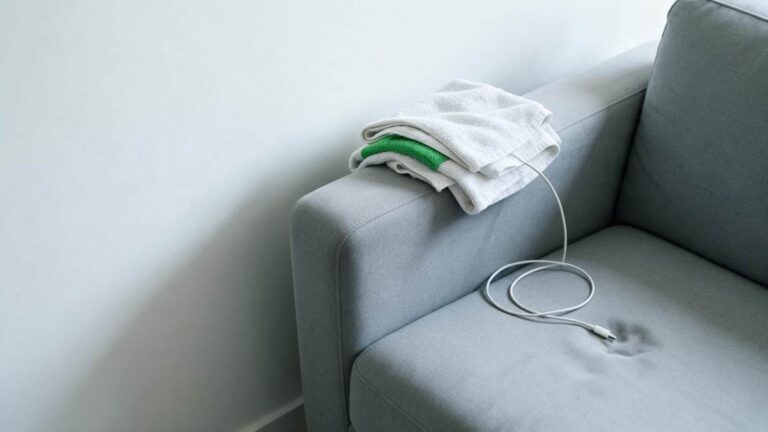
The phone buzzes on the arm of the sofa, but your hands are wrist-deep in soapy water and the screen is just out of reach. By the time you dry them, the moment has passed and the thought has gone with it. The reminder did its job, yet nothing happened. So which cue actually failed you?
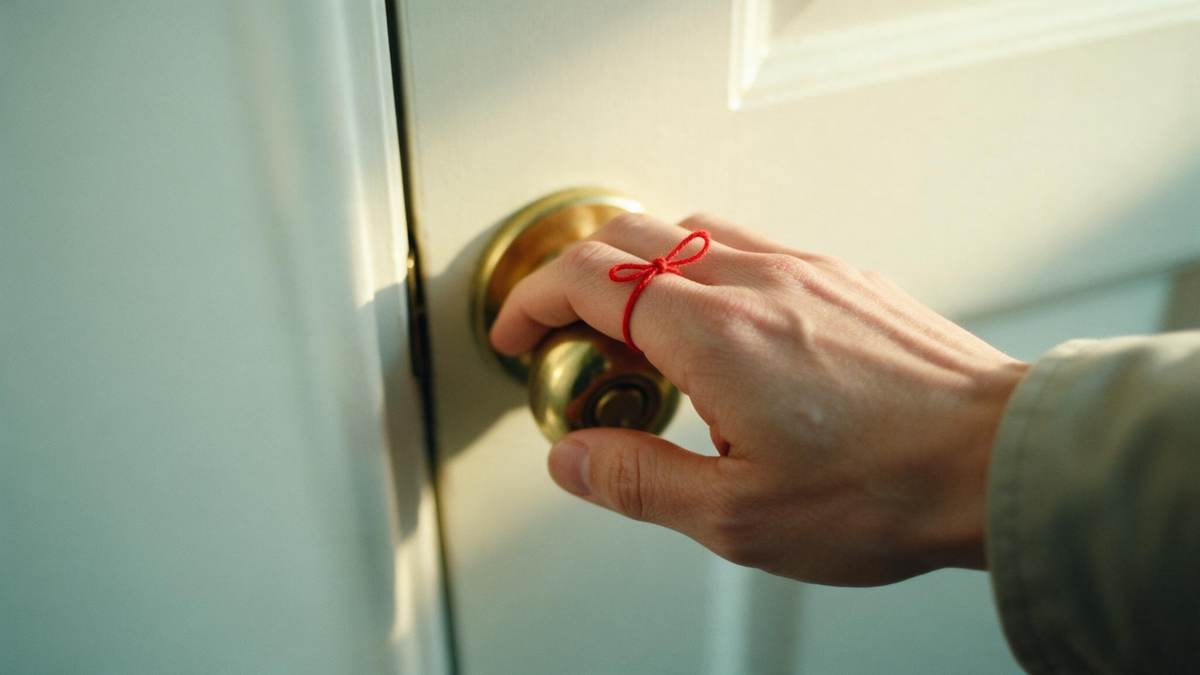 The real reason you ignore alarmsThe cue that fails when your hands are fullWatch the video to see the one slip that turns a good reminder into a missed moment.
You need to remember to do something later, and you are staring at two options: set an alarm for a specific time, or tell yourself you will do it when something else happens. One reminder rings at a moment on the clock. The other waits for an event, like arriving home or finishing a meal. The choice matters more than it looks, because each kind of cue fails in a different way.
The quick answer is this: use a clock alarm when the task has a fixed time that will not move, and use an event cue when the task naturally belongs to something that already happens. The catch is that the event must be reliable and must happen where you can act. If the event is inconsistent or happens in the wrong place, the clock alarm becomes the safer choice, even if it feels less natural.
Start with the trigger, not the device
A reminder only works at the moment it fires, so the first question is not which app or device to use but what actually triggers the alert. A clock alarm fires at a time you choose in advance. An event cue fires when something else happens, like finishing breakfast, walking past the pharmacy, or hearing the washing machine stop. The right choice depends on whether the task belongs to a moment on the clock or to a moment in your day.
The second question is whether you can act when the trigger arrives. A clock alarm that rings while you are driving or mid-conversation is easy to dismiss and forget. An event cue that happens in the wrong place, like remembering the bins only after you have already left for work, is just as useless. Compare the two by their actual trigger and by whether your hands and attention are free then.
If the task has a fixed appointment time, the clock usually wins. If the task depends on a routine event that reliably happens, the event cue usually wins. The awkward middle is where most reminders fail, and that is where the rest of this piece stays.
When the clock wins and when the event wins
A fixed appointment, a pick-up time, or a call you promised to make at noon all belong to the clock. The event itself does not announce itself, so you need the alarm to create the moment. In laboratory work on prospective memory, reminders improved performance when the intention was tied to a specific target that would not otherwise stand out. That fits the fixed-time case: the clock supplies the cue that the day itself does not.
A task tied to a reliable recurring event is different. Feeding the cat after the kettle boils, taking medication with the evening meal, or putting the bins out when the neighbor’s bin appears at the curb all have a natural trigger already built in. Forming a simple if-then plan, such as if I sit down for dinner then I take the tablet, links the action to the event. Research on implementation intentions suggests this link can help the action come to mind when the event occurs, without you having to watch the clock.
The tradeoff is that event cues only work when the event actually happens in the right place and you notice it. A clock alarm is more reliable for a one-off fixed time, but it can fire when you cannot act. An event cue is more forgiving of a shifting schedule, but it fails completely if the event is skipped, moved, or happens somewhere else.
If one reminder keeps firing while your hands are full while another stays silent until the chance has passed, watch the full video presenting one approach to improving memory. The choice between an event cue and a clock alarm is often the first place that wider pattern shows itself.
Two situations, two different cues
Your task has a fixed appointment time that cannot move. A dentist visit at half past two, a parcel collection slot, or a weekly video call all have a moment that exists only on the clock. Set a clock alarm, and set it early enough to leave or prepare, because the event itself will not remind you. The alarm is the cue, so choose a time when you can actually act on it, not the exact start time.
Your task depends on a routine event that happens most days. Watering the plants after dinner, checking the door is locked when you leave, or taking out the recycling when the collection lorry passes all have a built-in trigger. Use the event as the cue and state it as an if-then plan: if I finish dinner, then I water the plants. This works because the event itself prompts the action, but only if the event is consistent and you are there to see it.
When the event cue lets you down
The difficult case is the event that occurs inconsistently or in the wrong place. You mean to return the library book when you next pass the library, but your route changes and you do not pass it for a week. Or you plan to ask a colleague something when you see them, but they are working from home. An event cue fails silently here because the trigger never fires.
If-then plans for event cues
- If I finish dinner, then I water the plants.
- If the kettle boils, then I feed the cat.
- If I sit down for dinner, then I take the tablet.
- If I leave the house, then I check the door is locked.
In that situation, the honest answer is often to use both. Keep the event cue as the primary plan, because it is convenient when it works, but add a clock-based backstop for the last reasonable moment. If the book is due back on Friday, set an alarm for Thursday evening. The event cue handles the easy days; the alarm catches the days when the event never comes.
Another failure mode is the alarm that fires when you cannot act. You are in the shower, in traffic, or mid-sentence, so you swipe it away and the intention vanishes. This is why a reminder set for the exact appointment time is often too late. Move the alarm to the moment you need to start getting ready, or pair it with an event cue like finishing lunch so the action is still possible.
Choosing for the task in front of you
For the task you are thinking about right now, ask two plain questions. Does the task have a fixed time that matters, or does it belong to something else that happens? And when that trigger arrives, will you actually be able to do the task then? The answers usually point one way or the other without much doubt.
If the trigger is a clock time, set the alarm for the moment you need to act, not the moment the thing starts. If the trigger is an event, say the if-then plan out loud once so the link is clear in your mind. If the event is unreliable, add the backstop alarm. The aim is not a perfect system but a cue that fires when you can still do something about it.
Some tasks resist both kinds of cue because they have no fixed time and no reliable event. For those, the useful next step is often to attach the task to a place you pass or a routine you already keep, or to write it where you will see it at the right moment. If you find that reminders of every kind keep failing across different tasks, that wider pattern is worth its own attention.
The single slip in this article may be the small version of a pattern that keeps returning. If you want to see the wider shape of it, watch the full video and notice where the cue breaks first.
Everything on Everyday slips →
▶ Watch the memory video