You are standing at the kitchen counter, pen in hand, halfway through a list that already has a hole in it. The last few lines are there in your own handwriting and neither one means anything. You know the shape of the word and the aisle it belongs to, and you get nothing, so you write something vague beside it and keep going. The episode takes a few seconds and stays with you far longer than that. If you searched for a natural remedy for memory loss and landed here, the short version is this: good human trials of herbs and supplements for everyday recall are scarce, published guidance gives no dose for any of them, and no vitamin or supplement is recommended for preventing Alzheimer’s or other forms of cognitive decline. The routes with more behind them run through things a doctor can check, because low vitamin B12, an underactive thyroid, sleep apnea, untreated hearing loss, low mood, high blood pressure and a long medication list can each produce the complaint you just described. None of that makes you a case, and none of it settles anything about how your mind works. It means the appointment does more work than the supplement, starting with a blood pressure reading, a blood test, and a straight question about how you sleep.
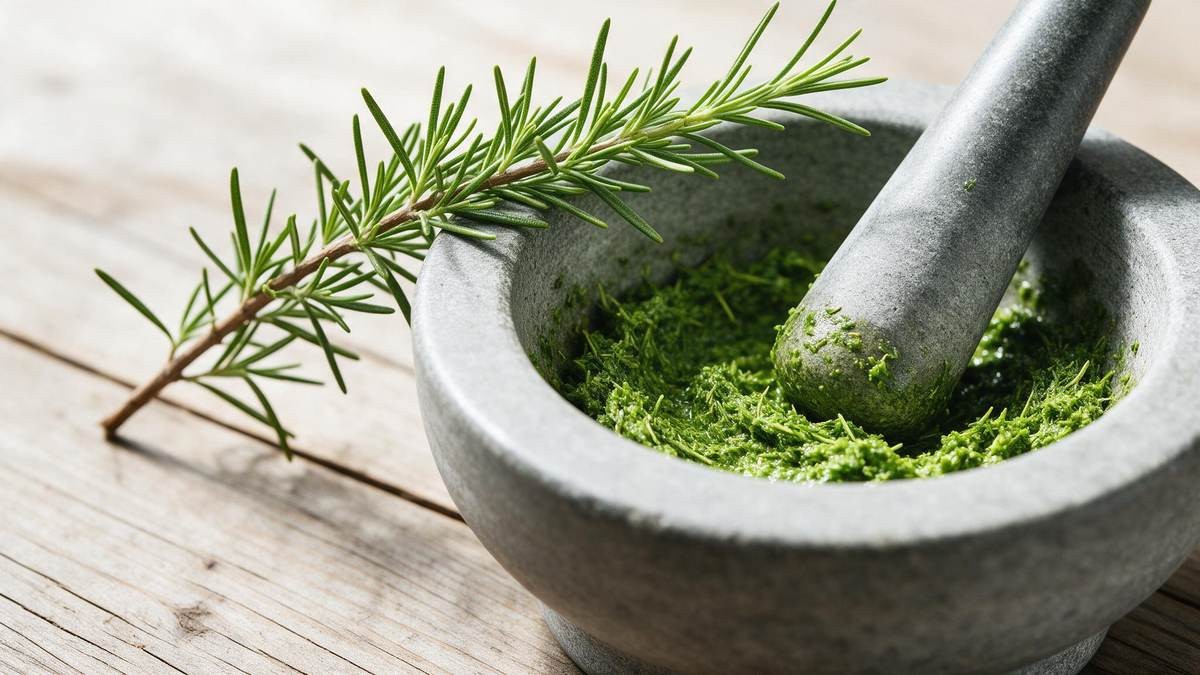 Rosemary for memory? Read this firstWhich treatable cause is sitting behind itWatch this video and keep it beside the list and bottles you bring to the appointment
What to rule out first
The checklist behind a complaint like yours is short. Low vitamin B12, settled by a blood test. An underactive or overactive thyroid, also blood. Sleep apnea, which shows up as snoring, waking unrefreshed and dozing off during the day, and which a sleep study settles. Hearing loss you have compensated for years, so the loud restaurant was never a memory test. Low mood, which brings confusion and attention problems of its own. High blood pressure, which often causes nothing you can feel.
Then the cabinet. Patient guidance names the classes that can impair cognition in older adults: antihistamines, sleep aids, antipsychotics, muscle relaxants, medicines for urinary incontinence, and medicines for cramps in the stomach, intestines and bladder.
Bring the bottles themselves, or a list with doses, because combinations matter as much as single drugs, and medicines interact with food, dietary supplements and alcohol. Do not drop a prescribed medicine to run your own experiment. That change belongs in a conversation with the prescriber, who can weigh it against what the medicine is doing for you.
You have lost the same name three evenings running, and the fourth time you do not say it out loud. You finish the sentence yourself, before anyone has to guess. Afterwards you keep a note open on your phone at dinner, you rehearse the neighbor’s name while you walk up the drive, and you stop raising the subject with your sister because you already know what she will suggest. The supplement label gets read again each morning, looking for one line you have decided will settle it, and the line is never there.
Why the trials run out
The gap becomes clear once you know what would fill it. Most of what circulates about herbs and memory is a laboratory result, an animal result, or a short study in volunteers who are not the people asking the question, and none of those carries into a clinic on its own.
A trial that would change this page needs a defined complaint from the person in front of you, a remedy taken at a stated dose for a stated period, a comparison group taking something else or nothing, an outcome measured on the tasks that are actually failing, meaning driving, paying bills, taking medicine and cooking, and follow-up long enough to show that any gain holds. A claim about dementia needs dementia counted over years in people who did not have it at the start.
Where those pieces are missing, the finding is a signal rather than a recommendation. We keep returning to this distinction on the desk: a signal can be genuine and still be too thin to put in front of someone whose week is already affected.
The five columns of an evidence table
For each candidate, the desk wants five lines: the remedy; the dose actually studied; how strong the evidence is; the side effects and interactions; and who should be careful. Where a source states no dose, the entry reads no dose stated, rather than borrowing a number from a different product or a different population.
Where a remedy has only cell or animal work behind it, the evidence column says so. Where it has one small human study with no comparison group, that is what goes in. The interaction column is checked against the list you brought to the appointment, not against a generic warning, since supplements and prescribed drugs interact in both directions.
The last column is the one that changes with the person: anyone taking several medicines at once, and anyone whose memory complaint is new, because that appointment comes before any column does.
After the appointments, and before you read any further, we kept a short aside for this exact point: you can watch the full video in a single sitting, and then return here.
What holds up better than a bottle
Physical activity, at the federal guideline of at least 150 minutes of moderate activity a week, walking included. Sleep, seven to nine hours for adults, because interrupted nights strip out the stages where memories are formed. Blood pressure, caught by an annual reading: in a large trial, people 50 and older who brought systolic pressure below 120 mmHg had less mild cognitive impairment over five years of treatment.
Hearing and vision, treated rather than accommodated. Diet, where Mediterranean and MIND eating patterns track with lower dementia risk in observational studies, and where a recent trial found only small cognitive gains, similar to a control diet with mild caloric restriction.
Engagement keeps its own shape. In the ACTIVE trial, reasoning and speed-of-processing training showed less decline over ten years than memory training and no training, while commercial brain-training games have not been shown to match it. Learning something with your hands, quilting or digital photography, beat socializing alone for memory improvement in one study, and whether that reaches everyday function is not established.
Does any supplement get recommended?
Current patient guidance states that no vitamin or supplement is recommended for preventing Alzheimer’s or other forms of cognitive decline. Recent clinical trials have found that a daily multivitamin improved memory and cognition in older adults, which is a narrower statement than it first reads: it says nothing about a word that will not come, and nothing about dementia decades out.
What gets ruled out first
- Low vitamin B12, settled by a blood test
- An underactive or overactive thyroid, also blood
- Sleep apnea, which a sleep study settles
- Hearing loss you have compensated for years
- Low mood, bringing confusion and attention problems
- High blood pressure, which often causes nothing you feel
Herbs that circulate for recall face the harder test. For most of them, the guidance available here states no dose, reports no trial, and offers no result to weigh, so the entry reads evidence not established rather than a number lifted from a label.
Nothing here cures, reverses or prevents dementia, and nothing at a counter does either. That is the plain answer for anyone who arrived with the and dementia version of the question: the research supporting such a claim does not exist, and this page will not pretend otherwise.
Why does the same kind of word go missing in the same kind of moment? Fatigue, attention, hearing, mood and medication all sit upstream of a name that will not come, and one slip cannot sort them apart. Whether these small failures run along a single route or several at once is the question this page leaves open, and it is a question a clinician can narrow better than a search box.
When a memory change needs a doctor today
Sudden confusion, arriving over hours rather than weeks, is an emergency: call 911, do not wait for an appointment, and do not drive. Confusion that appears during a hospital stay is delirium, and the team looking after you should hear about it right away.
Numbers this page stands on
- At least 150 minutes of moderate activity a week
- Seven to nine hours of sleep for adults
- Systolic pressure below 120 mmHg over five years
- Low mood lasting two weeks or more
- Reasoning and speed training measured over ten years
Make an appointment when memory loss is new, keeps worsening, or starts interfering with driving, bills, medicine or cooking. Bring the list, the bottles, the name you could not produce, and the dates you first noticed. Ask which of the treatable causes have been checked and which have not.
Also worth raising: trouble sleeping that continues, since insomnia and sleep apnea are both treatable, and low mood lasting two weeks or more with changes in sleep, appetite or interest. Memory trouble more often has several causes at once than it has one.
The five columns stop at the edge of what has been shown, and the name you could not produce at dinner is still unaccounted for. If you want a second perspective on a week of small slips, watch the full video and let it sit alongside this page.
▶ Watch the memory video