Someone has just asked you to describe the last page you read, and you can see the shape of it but not the words. You remember the corner of a diagram and the way a heading sat on the page, yet the details slide away the moment you reach for them. Is that a sign your memory is failing, or is the idea of perfect recall itself the thing that never quite holds?
You glance at a page of a manual and then look away, expecting to see the whole diagram hanging in your mind like a snapshot. The hope is familiar: that somewhere there are people who can hold an image in perfect detail, and that you might simply be one technique away from joining them. The tension is between that appealing idea and what happens when researchers actually ask people to reproduce what they saw.
The useful answer is that camera-like recall in adults has not held up in testing. Eidetic imagery, the closest documented phenomenon, is brief and mostly reported in children. Exceptional recall in adults usually comes from training, or from a rare autobiographical memory pattern, not from a built-in photograph. Good evidence on photographic memory itself is limited, and the honest summary is that the myth is stronger than the data.
What eidetic memory means and how it differs from a photograph
Eidetic memory refers to the ability to hold a detailed image in the mind for a short time after looking at a scene or picture. The image is not a perfect copy. It fades within seconds to minutes, and the person usually describes it as being seen in the mind rather than projected onto the page.
Photographic memory is the popular term for something stronger: the idea that a person can glance at a page and later recall every word, number, or detail as if reading from a stored photograph. That version has not been demonstrated in controlled testing. What people call photographic memory is usually a mix of strong visual memory, practiced strategies, and selective attention to what matters to them.
Why the evidence for photographic memory is thin
The published research on this topic does not include a study that confirms photographic memory in adults. That absence is itself informative. To know more, researchers would need to test large groups of people with unfamiliar images, control for how long they look, and then compare recall after delays. They would also need to rule out ordinary visual memory and trained techniques.
Without that kind of work, claims about photographic memory rest on anecdotes and demonstrations that often collapse under closer questioning. A person may remember a chess position because they know chess deeply, or a page because they have rehearsed it. The memory is real, but the mechanism is not a camera.
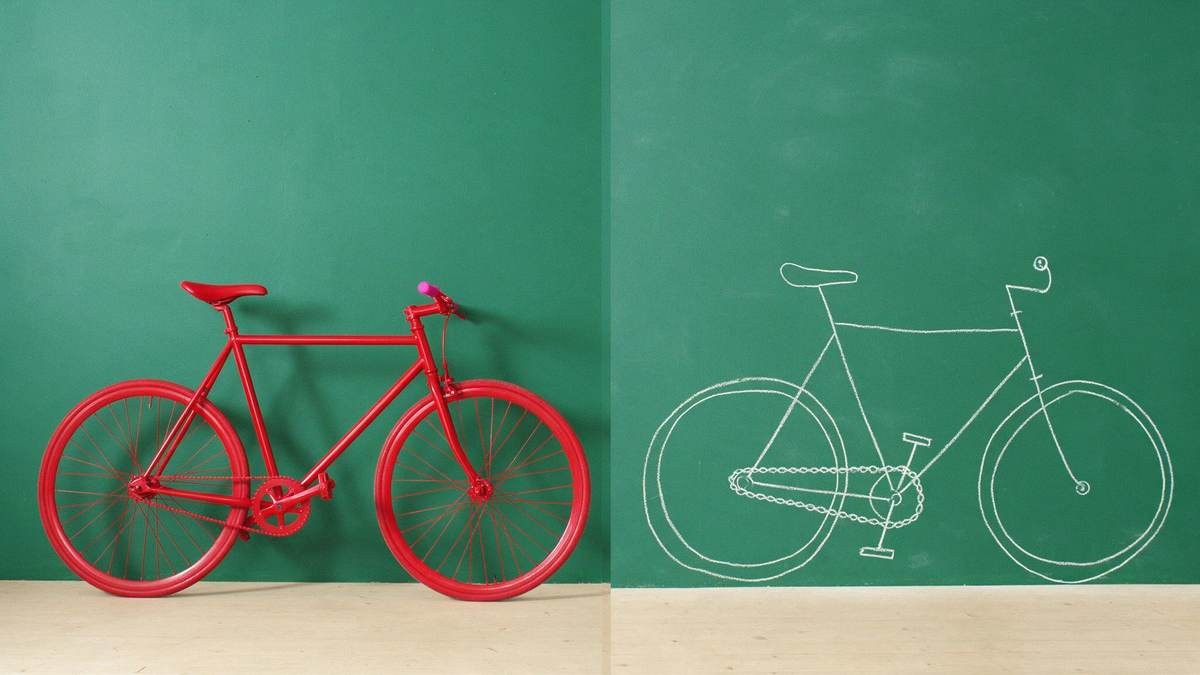 Saw it clearly, still can’t draw it?Then what is that one clear image?Watch the video on what people actually hold onto after looking away
Eidetic imagery versus HSAM versus trained memory
The differences between these forms of recall matter more than the labels. Eidetic imagery is a brief, vivid afterimage reported mainly in some children. Highly superior autobiographical memory, or HSAM, is the ability to recall an unusually large amount of personal life events and dates. Trained memory athletes use methods like the memory palace to impose structure on material. A good visual memory is simply a stronger-than-average ability to remember what things look like.
Who has each form differs. Eidetic imagery is described in a minority of children and rarely in adults. HSAM has been documented in a small number of adults. Memory athletes are made through practice. A good visual memory is common and varies by person and by material.
How each was tested also differs. Eidetic imagery was tested by showing a picture and asking for details after it was removed. HSAM was tested by asking people to recall dates and events from their own lives. Memory athletes were tested in competitions with tasks like recalling digit sequences. A good visual memory is usually measured with recognition or drawing tasks.
The mistake people make with the photographic memory myth
The common mistake is to treat recall as a fixed trait you either have or lack. That leads people to dismiss their own memory as ordinary and to chase a mythical ability instead of training the one they have. The more useful view is that memory is a set of skills that respond to attention, organization, and practice.
Another mistake is to assume that a single vivid memory proves a photographic ability. One clear image of a childhood room or a page from a book does not mean the person stores everything that way. Memory is selective, and vividness is not the same as completeness.
What to do if your memory worries you
Most everyday forgetting is normal. Forgetting a name, misplacing keys, or needing a moment to recall a word is common at any age. But if memory problems are persistent, worsening, or interfering with daily life, see a health care provider. Memory trouble can have several causes, including sleep loss, depression, medication side effects, thyroid problems, and other conditions.
Forms of recall compared
| Form | Who has it | How it was tested |
|---|---|---|
| Eidetic imagery | A minority of children, rarely adults | Showing a picture and asking for details after it was removed |
| HSAM | A small number of adults | Asking people to recall dates and events from their own lives |
| Memory athletes | Made through practice | Competitions with tasks like recalling digit sequences |
| Good visual memory | Common, varies by person | Recognition or drawing tasks |
A provider can help sort out what is going on. Do not stop taking prescribed medicines on your own, and do not assume that memory changes are simply a sign of getting older. A change that is sudden, severe, or accompanied by confusion should be assessed promptly.
A single slip of recall may feel like a small failure, but it can be the small version of a pattern that keeps returning in how you use your memory day to day. Hold that thought for a moment and watch the full video about slips that keep returning.
If the same blank keeps arriving in different rooms, watch the full video and sit with what it suggests about the pattern.
Everything on Memory training →
▶ Watch the memory video