Midway through your friend saying the neighbor’s name, it lands: of course, I know her, and the conversation rolls on. A block later you are asked for that same name and nothing comes, though the face itself is perfectly clear. Where, in the meantime, did that name actually go?
You reread a recipe step, nod along with a news explanation, or hear a name and think, yes, I know that. Then the page closes, the conversation moves on, and nothing comes when you reach for it. That mismatch has a simple core: recognizing information and recalling it are two different abilities, and the first one lies about the second.
Recognition only asks whether something seems familiar when it is placed in front of you. Recall asks you to rebuild it from nothing. You can pass the first test easily and fail the second completely, because the confident feeling of knowing is mostly produced by the cue in front of you, not by what is actually available inside.
The gap between feeling known and being usable
Familiarity is a signal, not a test. It tells you the material has crossed your path, not that you can produce it on demand. You can have strong familiarity with weak availability, the way you might know exactly what a coworker looks like yet stall completely when asked to describe their face to a sketch artist. The face is stored well enough for a yes or no answer, but describing it requires rebuilding it from inside, and that is a different job.
Confidence makes the trap deeper. The smoother something feels when you see it, the more certain you feel that you own it. That certainty is often borrowed from the cue sitting in front of you rather than from anything you could generate alone. MedlinePlus notes that your brain cannot store everything it meets and has to decide what is worth keeping, so a repeated glimpse may register as worth flagging without ever being stored in a form you can freely pull back.
A useful rule of thumb: treat recognition as the floor, not the ceiling. If the task ahead of you requires producing the information with no page, person, or list in front of you, then feeling familiar is not evidence you are ready. The only honest rehearsal is closing the source and trying to say or write it cold.
Everyday places the trap shows up
Watch what happens in the kitchen rather than at a desk. You open the cupboard for cumin, see the label, and instantly know it is the right jar. Ask someone to name every spice in that cupboard from the hallway, though, and most of them go silent, even though each label would get a confident yes the moment it appeared. The labels were doing part of the work.
Names behave the same way. You recognize a neighbor across the street without effort, yet their name refuses to surface until someone says it, at which point it sounds so obvious you wonder how it ever hid. That recognition-name split is well documented in ordinary life: research on language and aging describes how people, especially older adults, encounter more moments of knowing exactly who or what they mean while the word form itself will not come immediately.
A third example sits in your phone. You could pick your own passcode pattern out of a lineup in a second, but ask you to describe it verbally to someone else and the description comes out clumsy. The knowledge lives in your fingers and your eyes more than in anything you can recite. In each case, the cue is carrying weight that your unaided recall cannot yet carry, and the later conditions, a face recognized, an answer appearing after a prompt, and unaided use still hard, are really one condition seen from three angles.
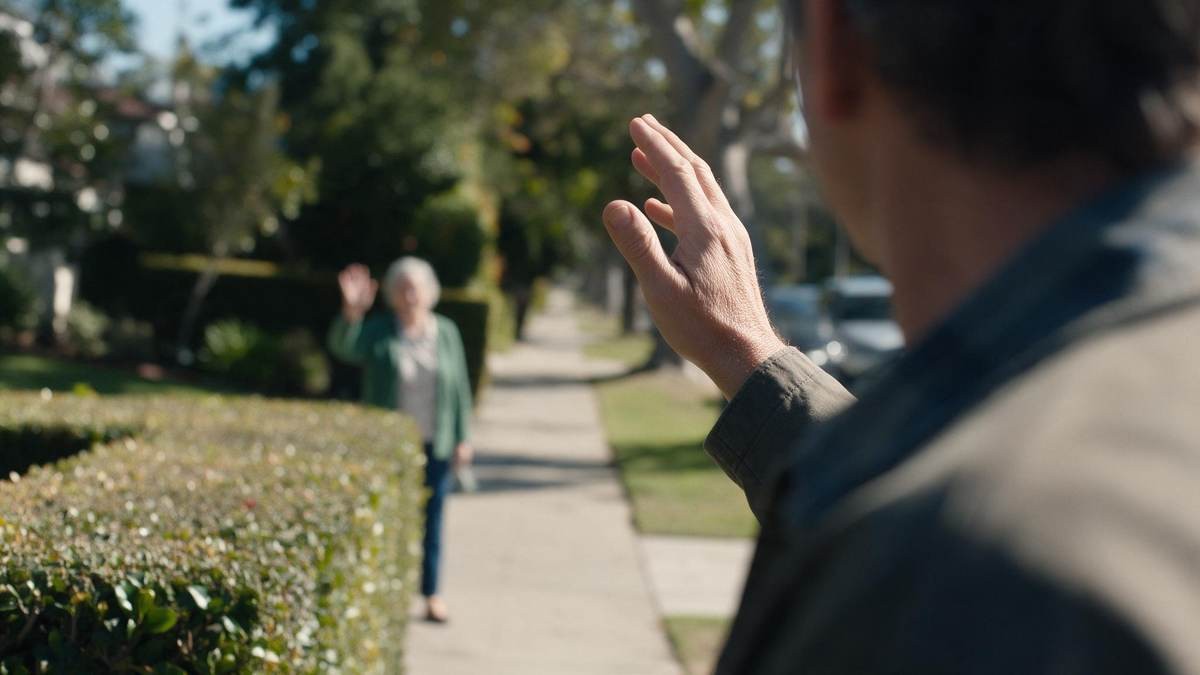 Familiar face, no name? There’s a patternDid the hint do the workWatch the video on why the confident nod and the missing answer come apart
When the same answer keeps feeling within reach yet arrives only after someone else supplies the first hint, watch the full video presenting one approach to improving memory.
Two situations that look alike but differ
A face or fact is recognized the moment it appears. That is the shallowest form of the trap, and the most forgiving: the cue arrives fully formed, and all your memory has to do is confirm a match. If this is the level your real task demands, say picking the right form out of a stack or confirming a detail someone else stated, recognition may genuinely be enough, and no further work is needed. The mistake is assuming this success predicts performance on a harder task.
A prompted answer appears after a small hint, and this middle case is where people most often misjudge themselves. Hearing the first two words of a title and completing it feels like recall, but the hint did the heavy lifting by narrowing the search. If the upcoming situation will hand you similar hints, this partial grip may hold up. If you will face an empty page, an open question, or a silent room, treat prompted success as a warning sign rather than a pass, and rehearse the unaided version instead.
What a prompt actually gives you
Cues are not cheating; they are how memory normally works. The problem is only that we rarely notice which cues were present when we judged our own knowledge. A familiar answer that surfaces after a hint is still a genuine memory achievement, just a joint one between you and the prompt. Understanding how a cue can bring back a missing memory helps you see that the cue and the memory are partners, and that removing the partner changes the whole performance.
Three levels of getting it right
| Level | What does the work | When it is enough | The gap it hides |
|---|---|---|---|
| Recognition | The cue sitting in front of you | Picking the right form out of a stack | It predicts harder performance it cannot deliver |
| Prompted recall | A small hint that narrows the search | A situation that hands you similar hints | An empty page, an open question, a silent room |
| Unaided recall | Nothing but your own memory | Any task that demands cold production | Discomfort here is the most honest measurement |
This is also where the difference between kinds of memory matters. Recognizing a face draws on stored knowledge of a thing, while recounting what happened at a meeting last Tuesday asks you to rebuild an event. The distinction between remembering an event versus knowing a fact explains why you can be fluent in one mode and shaky in the other about the very same subject.
The practical move is to audit the cues before you trust the feeling. Ask what was in front of you when the answer came easily. Then ask whether that same support will be there when you need it. If not, close the gap by practicing without it.
Testing yourself without the cue
There is a blunt self-check that cuts through all of this: produce the thing from nothing. Close the book, step away from the screen, and try to say the name, explain the idea, or list the steps with no prompt of any kind. The discomfort of that blank moment is the most honest measurement you have. Whatever comes out unaided is what you actually own.
If unaided use stays difficult, change how you practice rather than how often you re-expose yourself. Seeing the material again will mostly refresh familiarity, the very signal that misled you. Trying to retrieve it, fumbling, and then checking is a different act, one that exercises the exact pathway the future task will demand. It feels worse and tells you more.
Occasional slips in either direction are ordinary, and most people forget things from time to time. The boundary worth respecting is different: if memory problems keep recurring, start affecting your day-to-day life, or you notice a persistent change, the NHS advises seeing a doctor, because it is often nothing serious but is best checked early. Familiarity tricks are common; a worsening pattern deserves more than a study tip.
One confident nod on a single afternoon is easily forgiven; a habit of borrowing certainty from every cue you meet is not, so watch the full video before you judge yourself by that nod again.
Everything on Everyday slips →
▶ Watch the memory video