Your hand is already on the door handle, keys pressing into your palm, when the question arrives: did you actually turn it off? The image in your mind is smooth and convincing, but it could be from yesterday, or last week, or a morning that never happened. You can almost see the dial, almost feel the click. Almost is not the same as checked.
Before you leave, go back to the appliance and check the actual control, not your memory of using it. Look for the state the manufacturer treats as off: burner dials turned to off, a dark display, a power switch that is down, a plug that is out, or a disconnect that is clearly separated. If the state is not obvious, use the appliance instructions for that model rather than guessing from habit.
The National Park Service holiday-travel guidance gives the same practical rule for stoves and electrical appliances: turn them off or disconnect them before a trip. That advice is about verification, not confidence. A calm feeling in your head is not the same thing as a cold burner, a blank screen, or an unplugged cord. If the knob, switch, or display leaves room for doubt, the next move is another look at the device itself, not another argument with yourself.
A deliberate last check beats a worried memory
One deliberate pass works better than repeating the same quick glance. Stand in front of the appliance, look at the control you actually use, and read its state as the device defines it. For a stove, that means each burner dial or touch zone plus the oven control. For a countertop machine, that means the main switch, the power button, the display, or the unplugged cord if that is the true cutoff. The aim is not to remember harder; it is to make the present state unmistakable.
One deliberate pass
- Stand in front of the appliance.
- Look at the control you actually use.
- Read its state as the device defines it.
- Say the result once in plain words.
- Leave without circling back.
Do not rely on a glowing feeling of familiarity. A dark stove can still hide a hot surface, and a silent appliance can still be switched on. Use the indicator that matters: a dial set to off, a screen that is blank, a power light that is out, a plug removed, or whatever the manufacturer says shows that the unit is not running. If the control is ambiguous, the safest reading is the one that treats the appliance as live until proven otherwise.
A photograph can help you return to the same control later, but it is only a reminder to inspect, not proof that the appliance is safe. The important point is that your future self should be able to answer one narrow question: what did I see on the actual control before I left. If the answer would be a shrug, go back for one focused look rather than building a longer chain of guesses.
This is also where a small exit ritual helps. Touch the control you checked, say the result once in plain words, and then leave without circling back. A short leaving-home checklist can hold that step beside keys and documents, but the appliance itself still needs the real check. The routine reduces friction; it does not replace the state you verified.
When the appliance itself is uncertain
The control can be checked directly, so do that before you leave the kitchen. Walk to the appliance, identify the part that actually switches it on or off, and confirm the exact state in the order the device requires: burner dials to off, oven control to off, display cleared, power button released, switch flipped, or plug disconnected. If several items were in use, finish one before moving to the next, because a half-checked row of dials is exactly how uncertainty starts.
Memory vs the control
- A calm feeling means it is off. A calm feeling is not a cold burner or a blank screen.
- A dark stove is safe. A dark stove can still hide a hot surface.
- A silent appliance is off. A silent appliance can still be switched on.
- A photo proves it is safe. A photo is only a reminder to inspect.
The appliance behaves unexpectedly, so stop the routine and deal with that fault before you think about memory. If a dial is loose, a light stays on after shutdown, the display flickers, a burner feels warm after being off, or the plug sparks, treat that as a device problem and follow the manufacturer’s instructions for that model. If you cannot make the state clear, leave the appliance disconnected from power if the maker allows that, and do not leave the house until the risk is resolved or another responsible person has taken over.
When the doubt keeps asking for another look
A second visit is reasonable when the first one was interrupted or when you realize you never truly looked. A third, fourth, and fifth look at the same dial usually tells you more about anxiety than about the appliance. The National Institute of Mental Health notes that everyone rethinks or double-checks things sometimes, while compulsions can involve repeatedly checking that the door is locked or the oven is off. That is a boundary, not a label: a person who wants one solid confirmation is not automatically dealing with a disorder.
If the checking urge is frequent, hard to resist, or eating up time before ordinary departures, treat that pattern as its own issue rather than a stove problem. The source material supports the practical side of this task, not self-diagnosis from one bad morning. If the loop feels distressing, persistent, or difficult to stop, speaking with a health care provider is the next useful step; do not let a routine tip stand in for that decision.
For the ordinary case, set a clear end point before you start: one full pass, one plain statement of what you saw, then out. That end point matters because it separates verification from rumination. A memory trick that makes you feel sure without looking is the wrong tool here. The useful skill is finishing the check cleanly enough that you do not need to replay it in the car.
The departure sweep for travel days
Travel changes the stakes because you are leaving the house, not just the room. The National Park Service holiday-travel advice is blunt about this: check that stoves and electrical appliances have been turned off or disconnected before you go. That fits the same logic as the kitchen check, but the list is wider, and the time pressure is worse. Build the appliance pass into the final sweep of the house so it happens while you are still able to act.
A travel-ready version is specific. Before the door closes behind you, confirm the range, the oven, the toaster, the coffee maker, the space heater, and any other heat-making or powered item you actually used. The NPS guidance also favors disconnecting some electronics, which is a different action from merely switching a button; use it where the manufacturer allows and where pulling the plug is the intended way to power down. If a device is meant to stay connected, follow the maker’s instructions instead of improvising.
The hardest travel mistake is letting the packing rush crowd out the safety pass. Bags, chargers, and the last phone message all compete for attention, and that is when a person can walk past a warm knob without seeing it. The same doorway problem shows up with locks, which is why the separate question of checking whether the door is locked belongs in the same departure sweep, not as a substitute for the appliance check. One checklist, several distinct states to verify.
When the trip is longer, the cost of uncertainty is higher, so the pass deserves a little more ceremony. Do it after the luggage is staged, after the last person has used the kitchen, and before the final grab for keys. If you want a broader frame for keeping the whole departure from scattering, the everyday reminders hub is the place to keep that structure without turning safety into superstition.
What to do when the answer still feels thin
A good final sweep ends with a decision you can name. Either the appliance is off, disconnected, or being handled by someone responsible, or you go back and fix it now. That is the whole branch. If the state is clear, leave. If it is not clear, act on the appliance itself rather than on the feeling of doubt. The point of the check is to settle the task, not to make the worry disappear on command.
When the state is unclear
- If a dial is loose, treat it as a device problem.
- If a light stays on after shutdown, follow the maker’s instructions.
- If a burner feels warm after being off, do not leave until resolved.
- If you cannot make the state clear, disconnect from power if allowed.
The next time the question returns, make the answer physical. Look at the control, read the state, and stop. If the device is old, confusing, or inconsistent, that is a reason to use the manufacturer’s instructions or replace the unit through the appropriate channel, not a reason to invent a stronger mental habit. Memory has its place in daily life, but safety lives in the visible position of the switch and the condition of the cord.
If this same uncertainty shows up across different appliances and different rooms, widen the frame once, not endlessly. Compare how you handle the stove, the iron, the space heater, and the lock, then choose a single leaving-home sequence that fits your house. The useful next action is to write that sequence down where you will actually see it before the door closes, so the last thing you remember is not your worry but the control you checked.
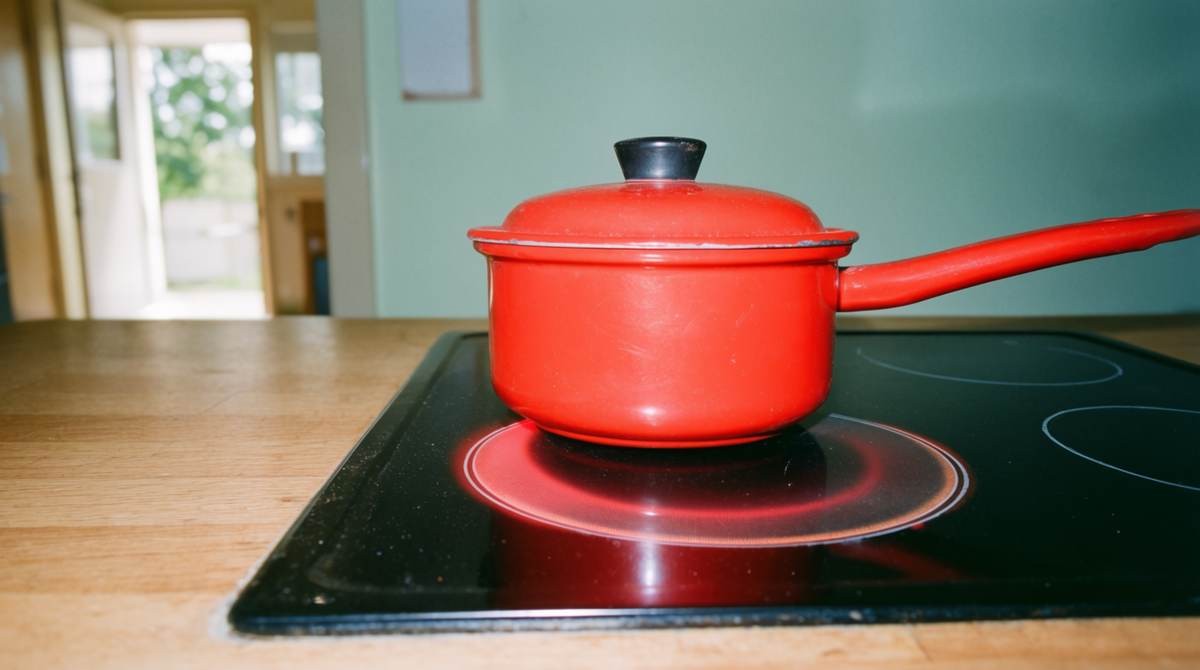 Does this glow mean it’s on?The one check that stops the loop before youWatch the video to see the small slip that turns an ordinary departure into a spiral of second-guessing.
If that keeps happening to you, watch the full video about the wider pattern behind slips like this one.
The single slip in this article may be the small version of a pattern that keeps returning, one that follows you from room to room and door to door. If that keeps happening to you, watch the full video and see the wider shape behind it.
Reading behind this note
Everything on Everyday slips →
▶ Watch the memory video