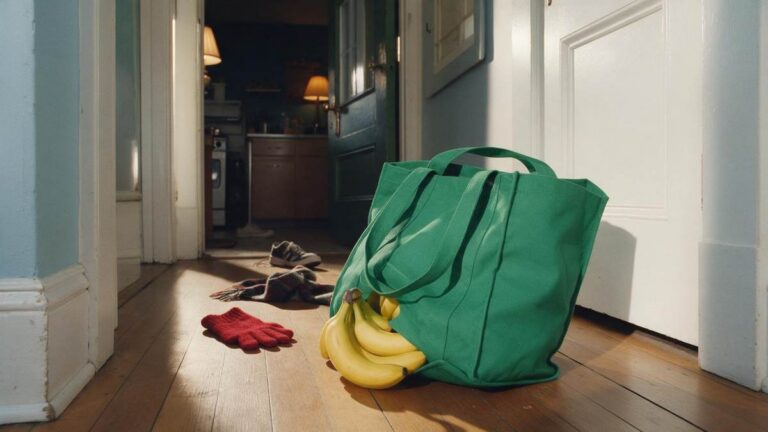
You walk into the kitchen mid-thought, and the thread is gone. Or you read a paragraph twice and still cannot say what it said. Mental clarity is not one switch; it is the sum of the conditions around you. The useful first move is to stop calling every lapse an attention problem and instead ask which of four questions fits the setting: Was something else competing for attention? Was sleep short or broken? Was the moment emotionally loaded? Did the context change between learning and remembering?
Each question points to a different next step. If distraction was present, reduce the competing input or write the detail down. If sleep was short, protect the next night before drawing conclusions. If stress was high, note it without treating it as the cause. If the room or task changed, return to the original context or use a deliberate cue. If the same task stays difficult in quiet, rested, calm conditions, that pattern deserves its own route, including a conversation with a doctor. The sections below keep these questions separate.
When two tasks compete at once
Two tasks compete at once, and later you cannot say what you took in. This is the divided-attention question. When a conversation overlaps with cooking, or a phone call overlaps with email, one stream usually wins. The issue is not that you failed to store the memory and must now dig it out; the detail may never have been encoded clearly in the first place. Research on listening effort fits this picture: when speech is acoustically degraded, listeners remember less of what they heard, and the extra demand of processing the signal appears to draw on resources that would otherwise support memory encoding. The practical next step is to separate the tasks rather than to search harder afterward. If you need the detail, return to it in a quieter moment or write down what was said while it is still available. For a fuller treatment of this encoding cost, see the note on divided attention and recall.
Run the four questions in order
- Was attention divided?
- Was sleep short?
- Was the moment emotionally loaded?
- Did the context change?
When the same kind of lapse keeps turning up in a noisy room, on a tired day, or during a tense moment, watch the full video presenting one approach to improving memory for recurring memory slips.
Three situations, three different questions
The room is loud, and a detail disappears. Before blaming your memory, ask whether you heard it clearly at all. A study of short-story recall found that acoustically degraded speech left listeners with worse memory for the story, consistent with the idea that effortful listening consumes resources needed for encoding. The drop in that experiment was small, but the direction matters for a real room: if the signal is poor, the trace may be thin. The useful move is to ask for a repeat, step closer, or move the conversation somewhere quieter, rather than treating the lapse as a storage failure.
You slept badly, and a small fact will not come back. Sleep deprivation affects attention, reaction time, and decision-making, and after several nights of short sleep your ability to function can suffer as if you had not slept at all for a day or two. That makes a tired day a plausible context for a slip, but it does not make sleep the explanation for every new symptom. The practical distinction is whether the difficulty follows the short nights or appears on rested days too. If it follows the short nights, protect the next sleep window and see whether the problem eases. If it appears regardless, treat it as a separate question. The note on sleep and memory slips keeps this boundary without treating sleep as a catch-all cause.
You walk into another room and lose the thread. Context change is its own question, distinct from distraction and from fatigue. In a virtual-environment study, crossing a doorway impaired recognition memory when working memory was already loaded, but other experiments found no effect of boundary crossing on a more difficult task. So a doorway is not a universal memory wipe; it is one condition among several. The useful response is to return to the earlier room and let the setting prompt the thought, or to pause at the threshold and name the goal before crossing. For how place can act as a prompt rather than a barrier, see the note on context cues and recall.
When the setting is not the whole story
The remaining question is the one readers often skip: what if the task stays hard even in quiet, after rest, without an obvious stressor? That pattern does not prove anything is wrong, but it does change the next step. National health guidance advises seeing a doctor if memory problems keep recurring or affect daily life, because many causes are treatable and early assessment can help. This is a different route from the situational fixes above. It is not a reason to panic, and it is not a reason to dismiss the concern either. The distinction between a bad setting and a persistent change matters more than any single tip.
Stress and low mood belong in the same careful frame. Guidance for older adults lists stress and negative emotions among possible contributors to everyday forgetfulness, while a large study of nondepressed adults did not find a working-memory association with normal variation in everyday stress. The honest summary is that emotional context is a plausible contributor, not a proven cause of any one lapse. If a tense period coincides with several slips, note the pairing without concluding that stress did it. If the slips outlast the tense period, the pairing weakens and the persistent-change route becomes more relevant. The note on stress and everyday memory keeps this distinction without overclaiming.
A worked example for one exact task
A worked example makes the sequence concrete. Imagine you need to recall a phone number someone read to you at the kitchen table while the radio was on and you were clearing dishes. Later, in a quiet study, you cannot retrieve it. The first question is not what is wrong with your memory; it is what the original encoding conditions were. Was the radio competing? Were your hands occupied? Were you tired? Each answer points to a different remedy: re-hear the number without the radio, write it down while clearing, or try again after rest. Only if the number stays inaccessible across several clean attempts does the question shift toward a broader review.
The same logic applies to a name, an errand, or a paragraph you meant to remember. Run the four questions in order: was attention divided, was sleep short, was the moment emotionally loaded, did the context change. Each yes suggests a specific, limited action. Each no removes a plausible explanation and narrows the field. If every question comes back no and the difficulty repeats across days, that is the signal to use the care route rather than another situational adjustment. The aim is not to diagnose yourself but to stop treating every lapse as the same lapse.
Keep the four questions visible as separate questions. Divided attention asks what else was happening. Sleep asks what the nights before looked like. Stress asks what the emotional weather was. Context asks where you were and where you went. A quieter moment, fewer competing tasks, or a brief note of what was missed are reasonable responses to the first three. None of them is a guarantee, and none replaces assessment when change persists. The useful decision for this exact task is to pick the question that matches the setting, try its matched response, and reserve the medical route for the pattern that does not clear.
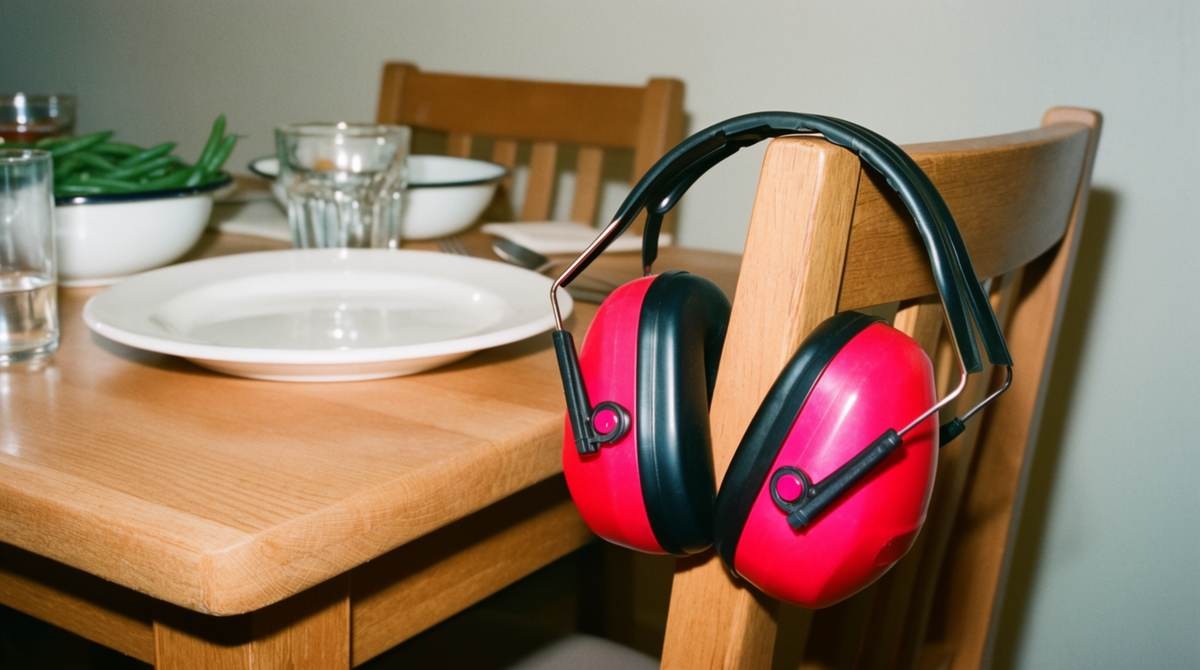 Noise at dinner? Read this firstWas it the room, the night, or youWatch the video and see which question fits the lapse you keep having
If this has happened more than once, the single slip is the small version of it, and watch the full video to hear how that wider pattern is framed.
In this section
- What does brain fog feel like? And how do you tell it apart from simply forgetting?
- Is Multitasking Good for Your Brain? What Switching Tasks Does to Your Memory
- How to Increase Concentration Immediately: A Quiet Window for Memory-Heavy Tasks
- Mental fatigue: why details slip when your mind is tired, and what actually helps it recover
- Why rushing can leave a memory gap
- What notifications interrupt while you are paying attention
- How Anxiety Affects Memory Recall: Why a Fact You Know Suddenly Goes Blank
- Working Memory: What It Is, and Why One Interruption Can Wipe It Clean