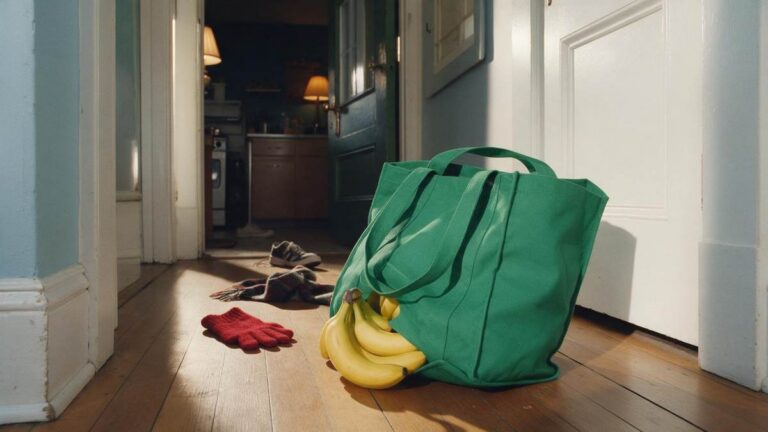
You sit down to answer one email, then glance at a message, then remember the report you were halfway through. The afternoon feels full, even productive, but by evening the details have gone soft at the edges. You were moving the whole time, switching between tasks, yet the one thing you meant to hold onto has slipped. Is multitasking good for your brain, or did all that switching cost you the memory you needed?
Multitasking is usually bad for memory when both tasks demand fresh decisions, because the brain keeps paying a switching cost instead of storing one thing well. It is less harmful when one task is automatic and the other is light. The claim that juggling tasks trains the brain in a general way is not supported by the evidence here.
The practical answer is to separate simultaneous activity from rapid switching. True parallel work is rare when judgment is involved. What feels like skillful multitasking is often just fast alternation, and fast alternation can leave the final result fuzzy even when the effort felt high.
What multitasking really does to recall
The honest answer is that it depends on what you mean by multitasking. If you mean holding two demanding, decision-heavy tasks in mind at once, the evidence points toward cost, not training. If you mean pairing one automatic action with one mental task, the picture changes. And if you mean the popular claim that juggling tasks makes the brain sharper in general, that claim outruns what the evidence supports.
When multitasking helps or hurts
- If one task is automatic, recall often survives.
- If both tasks need fresh decisions, recall thins.
- If you feel busy but fluent, that is not proof of learning.
- If the detail matters, give it a short window alone.
A useful way to frame it is this: memory improves when attention has a clear target. When you divide that target, you often get a feeling of busyness rather than a trace you can use later. That distinction matters because many people interpret fluency during a busy stretch as proof of learning. It is not. The real test is whether the detail survives the switch.
When one task is already automatic
Some pairings are not really multitasking in the harmful sense. Walking while listening to a familiar podcast, folding laundry while rehearsing a short list, or stirring a pot while reciting a name can work because one activity is already routine. The brain is not being asked to make two fresh decisions at the same time.
The trouble starts when both tasks need judgment. Replying to messages while writing a report, checking directions while composing an answer, or following a meeting while editing a document all force repeated switching. Each switch leaves a little less room for the original goal, and later recall can feel oddly thin even though you were active the whole time.
If you switch among several tasks, picture which detail you expected to keep in mind. If details repeatedly disappear amid that movement, what wider question would you ask beyond changing this one workflow? To examine the broader question, watch the full video, a full video presentation about recurring memory slips, explaining the approach it proposes for improving memory.
Why feeling busy is not the same as remembering
A common pattern is the busy afternoon that feels productive but leaves a weak record behind. You answer three messages, skim a document, and begin a note, then later cannot say which version you saved or which point you meant to keep. The problem is not that you were lazy. It is that each task competed for the same decision-making space.
That is why self-reported fluency can mislead. You may feel fast because you are moving, not because the important detail is being stored well. In practical terms, if the result matters, give the memory-bearing task its own short window. If you want a broader frame for how setting shapes recall, how attention and setting shape recall is a useful next read.
A harder case: pressure, noise, and confidence
Imagine a person preparing for a call while also sorting email. The call needs one date, one name, and one action. The inbox keeps offering new choices. By the time the call begins, the person can remember being busy but not the exact detail they meant to carry into the conversation. That is a hypothetical example, but it captures a familiar failure mode.
Multitasking and memory
- Myth: Juggling tasks trains the brain in a general way.
- Fact: Fast alternation can leave the final result fuzzy.
- Myth: Feeling productive means the detail is stored well.
- Fact: The real test is whether the detail survives the switch.
The harder condition is that stress can make this feel even more convincing. Under pressure, switching can feel like control, when in fact it may be adding noise. If that sounds familiar, whether stress affects everyday remembering is a separate question worth reading on its own.
The next decision for this exact task
The next decision is simple: before you combine tasks, ask which one must be remembered later. If the answer is the report, the call detail, the directions, or the name, protect that task from competition. Let the other task wait, or make it so routine that it does not ask for fresh choices.
Before you combine tasks
- Which task must be remembered later?
- Is the other task routine enough to avoid fresh choices?
- Did the last busy stretch leave a weak record behind?
- Does the same slip appear when the task is done alone?
If lapses keep recurring across different settings, do not settle the cause from one busy day. Keep a note of when the slip happens, what else was competing for attention, and whether the same problem appears when the task is done alone. That gives you a cleaner next step than blaming memory itself.
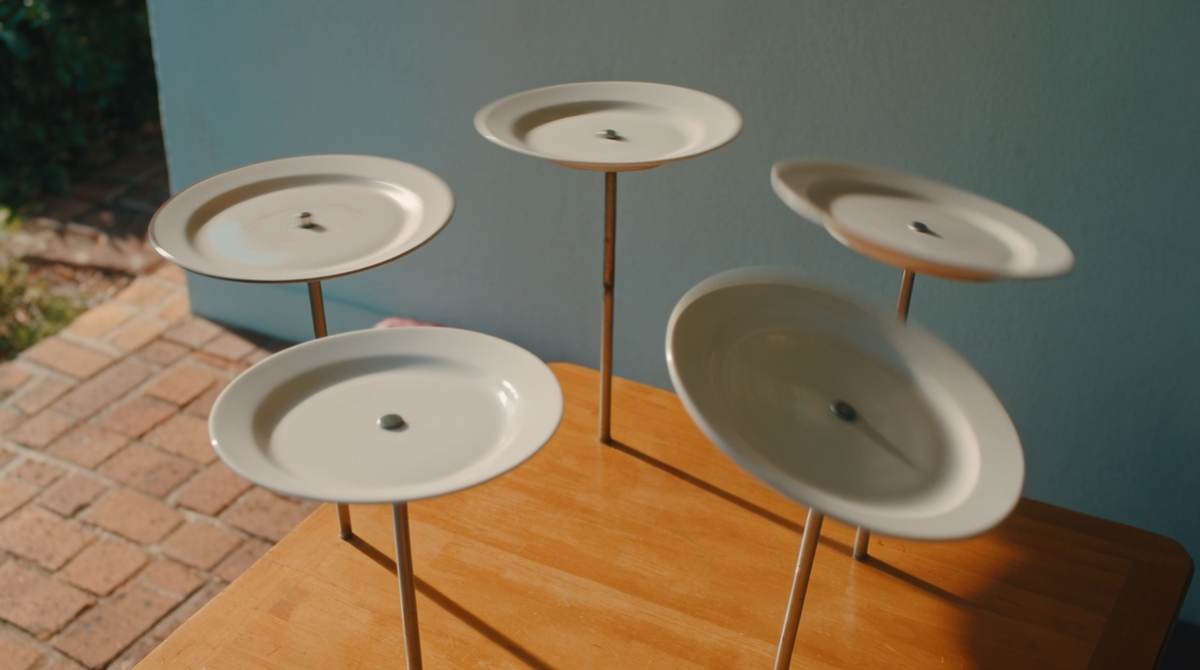 Does task switching hurt memory?The detail that vanished between tasksWatch the video to see why a busy afternoon can leave your memory feeling thin, and what that pattern reveals.
The single slip in this article may be the small version of a pattern that keeps returning in different settings. To see how that pattern takes shape and what it asks of you, watch the full video and follow the thread from one lost detail to the larger question.