The front door clicks shut behind you and the sound lands like a small verdict. You are already three steps down the path when the thought arrives: the parcel, still on the hall table. The walk back feels longer than the walk out, and the question that stings is not why you forgot, but why the thought waited until the door was already closed.
The item is remembered in the car, at the bus stop, or halfway down the street: the borrowed book, the parcel for the post, the lunch packed the night before. The fix for a one-off item is not a better memory but a better location. Attach the thing, or a physical stand-in for it, to the exact moment of leaving, and first check that it can safely wait there.
That single move handles most cases. The rest of this article deals with the exceptions that make people give up on the idea: items that must stay cold or charging until the last second, homes with more than one exit, and errands where somebody else ends up carrying the thing. Each one has a workable version of the same principle.
Put the cue where leaving actually happens
The working fix is to move the reminder from your head to the doorway itself. Put the item, or a stand-in for it, directly in the path of leaving: on the doormat, hanging from the handle, leaning against the door, or on top of the shoes you will actually wear. The cue fires at the exact transition where the action has to happen, not ten minutes earlier over breakfast when you can still safely ignore it.
Cue at the exit
- If the item can wait, stage it on your shoes or against the door.
- If the item must stay cold, hang a tote bag on the handle.
- If someone else carries it, hand them the cue object.
- If you leave by several exits, put the cue on your keys or coat.
This is the everyday version of what researchers call prospective memory, remembering to do something at the right future moment rather than remembering a fact. In one set of experiments, people interrupted mid-task resumed it only about half the time without a prompt, and they did better when the moment to resume was clearly marked. The lesson transfers loosely to a front door: a distinctive marker at the exit beats a vague mental note made hours earlier.
Before you commit to a spot, confirm the item can safely wait there. A paperback, a parcel, or a pair of gloves can sit by the door all morning. A frozen meal for a friend cannot, and neither can a phone that needs its charge. That check takes seconds and decides whether the door itself is the right cue or whether you need the two-stage version described later.
Three situations, three versions of the same fix
The item can sit by the door for hours without harm. Stage it the night before, directly against the door or on your shoes, so leaving is physically impossible without moving it. A library book, a return parcel, or a gift bag all qualify, and the earlier you stage them the less the morning depends on memory at all.
The item must stay cold, frozen, or charging until the last minute. Use a two-stage cue: hang something unmissable on the door handle, such as an empty tote bag or a bright ribbon, and let that object mean one thing only, fetch the cold bag from the freezer or unplug the charger. The handle cue survives the wait; the item itself stays safe until the transition.
Someone else is carrying the item, or you leave by more than one door. For a shared carry, hand over the cue, not just the task: tell the other person which single object signals the handoff, like the keys they will pick up. For several exits, put the cue on the thing that travels regardless of route, your keys, wallet, or coat, because the door you use may change but those never stay behind.
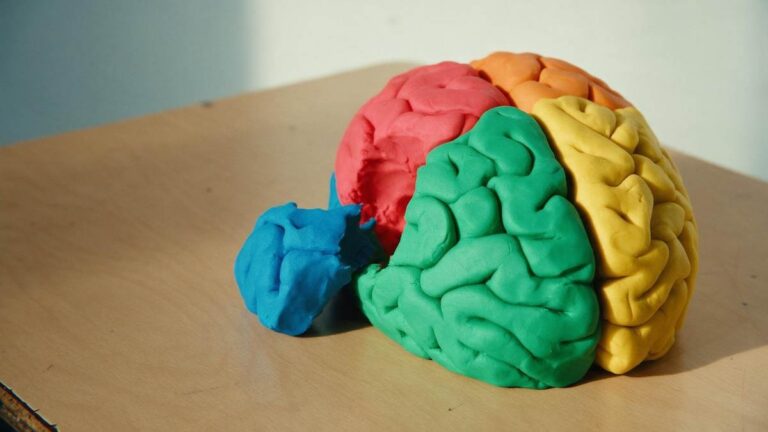
If the item you meant to carry is still on the counter while you are already at the door, watch the full memory video presenting one approach to improving memory for these recurring slips. It keeps the focus on the moment a plan meets its cue, which is exactly where this errand went wrong.
Why a mental note fails and a doorway cue holds
The reason a mental note fails is not weak character, it is timing. You form the intention in the kitchen at seven, but the action belongs to the hallway at eight, and nothing in between forces the thought back up. Studies of interrupted tasks found that people understood perfectly well what they were supposed to do and still did not think of it when the moment arrived, which is why the cue has to live at the moment, not in your resolve.
This is also why a general morning checklist is a different tool for a different job. A checklist serves a fixed set of daily essentials, and if that is your real problem, the approach in a leaving home checklist fits better. A one-off item, the borrowed ladder, the signed form, the Tupperware going back to a neighbor, never earns a permanent line on any list. It needs a one-off cue tied to this specific departure.
The broader idea of linking an intended action to a concrete future event has a name, and an if-then cue is the compact version: when my hand touches the doorknob, I pick up the parcel. Framing it that way forces you to name the exact trigger rather than trusting that you will somehow remember.
Mistakes that quietly cancel the cue
A cue fails quietly when it blends into the scenery. A note taped to the door for three weeks becomes wallpaper, so for a one-off errand use something that does not belong there at all, an empty shopping bag looped over the handle, a shoe placed sideways on the mat. The wrongness of the object is the alarm. Once you have used a particular odd object for one errand, retire it so it stays strange.
Before you stage it
- Can the item safely sit by the door for hours?
- Is the last preparation step already finished?
- Is the cue object strange enough to notice?
- Have you retired this cue object after its last use?
Another failure is staging the item but leaving a step behind. The parcel by the door still needs the address written on it; the gift bag still needs the card signed. When you stage the item, finish its last preparation step at the same time, or the cue will get the object into your hand and the errand will still stall at the destination.
There is also a boundary worth naming. Forgetting a one-off parcel now and then is ordinary, and health guidance is clear that occasional lapses are normal. If you keep having problems with your memory, or lapses multiply and start to disrupt daily life, the right move is to see a doctor rather than to keep adding door cues, because treatable causes exist and self-diagnosis helps no one.
A worked example for tonight’s errand
Here is a worked situation, purely hypothetical but ordinary. You promised to return a borrowed cake tin, but it is sitting washed on the draining board and you leave for work before the kitchen is awake. The tin can wait anywhere, so the night before you put it inside your work bag, not beside it. Inside matters: beside the bag is a cue you can walk past while holding the bag, inside the bag is a task already done.
Why notes fail
- Myth: A mental note made at breakfast will fire at the door.
- Fact: The intention belongs to the kitchen, but the action belongs to the hallway.
- Myth: A note taped to the door works forever.
- Fact: A note becomes wallpaper after three weeks.
Now vary it. The tin holds leftover slices that need the fridge, so the tin stays cold and instead you loop the bag’s strap through the fridge door handle the night before. You cannot open the fridge for breakfast without moving the bag, and the bag by the fridge means exactly one thing. At the door, the empty hook where the bag usually hangs is the last silent check.
The decision that remains is small and concrete: name tonight’s one-off item, decide whether it can safely wait by the door, and if it cannot, choose the single odd object that will stand in for it at the exit. That choice, made the evening before, is the whole technique, and it works whether or not you ever think about memory again.
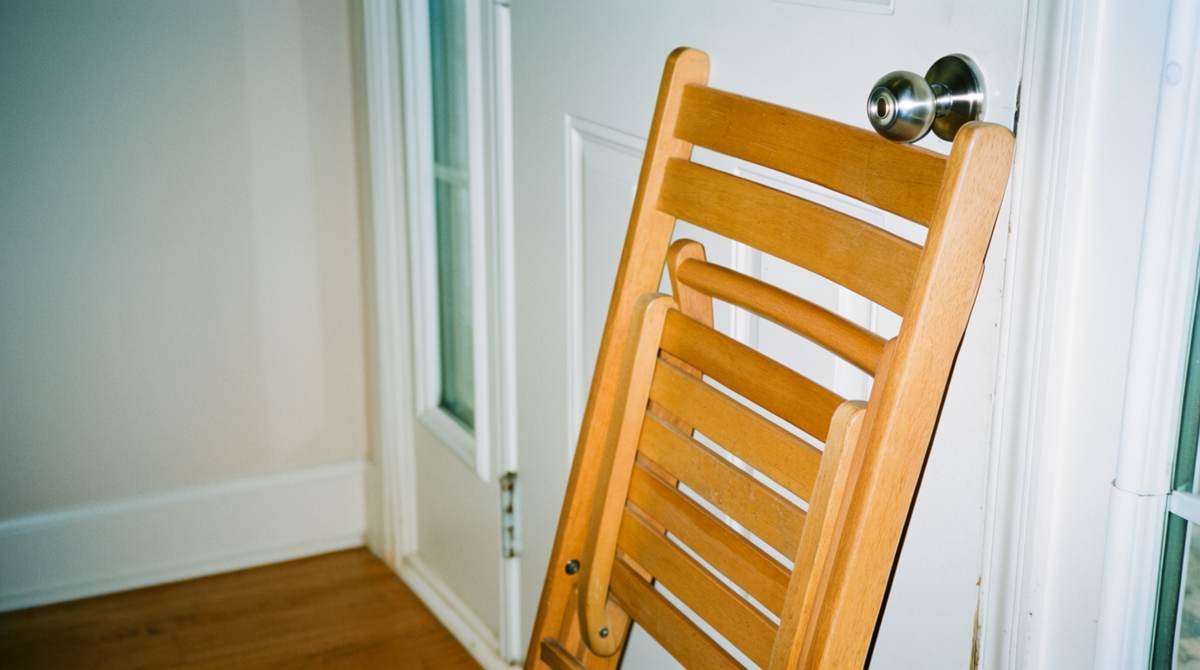 Forgot something? This stands at the doorThe cue you keep walking pastWatch the video to see the one doorway habit that catches the item before the door closes behind you.
The single slip at the door is rarely the whole story. One evening like this is a nuisance; the same evening returning month after month is a different question, so watch the full video and see what it makes of the pattern.
Reading behind this note
Everything on Everyday slips →
▶ Watch the memory video