You are halfway through folding a basket of laundry when your hand reaches for the phone that is no longer on the arm of the sofa. The last hour feels whole, yet the phone has slipped out of it like a word you almost said. Was it the hallway, the bedroom, or somewhere your hands were simply too full to notice?
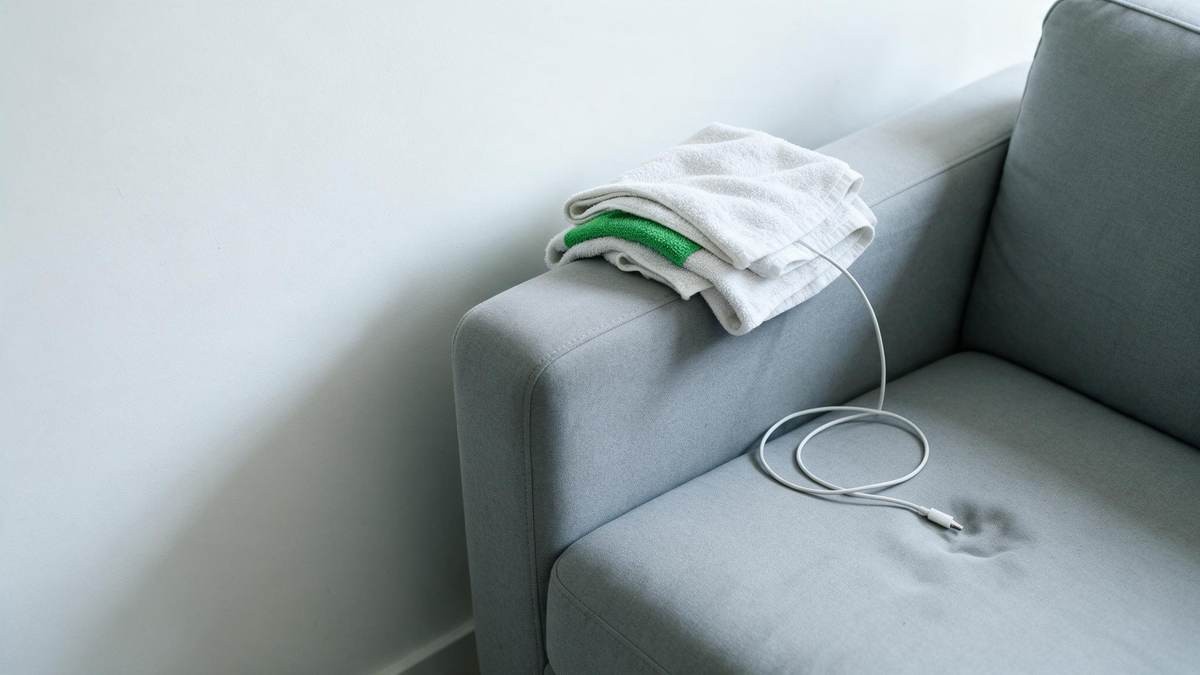 Left it by the cord again?The phone was never in the room you searchedWatch the video to see why your phone keeps ending up in rooms you never chose, and how one small habit changes the pattern.
Start from the last moment the phone was actually used, not from the room where you first noticed it missing. Reconstruct that interaction in order: what you were doing, what happened next, and the first point where your hands were free enough to set it down. Most lost phones are not truly lost so much as detached from the moment that placed them. If the phone was carried between tasks, the likely hiding place is usually the first surface after that last use, the pile it traveled with, or the room entered right after a doorway, not the room where you expected it to be.
That is why broad advice about finding things often fails here. A phone moving through several rooms creates a chain of small opportunities to put it down without noticing. The fastest search is usually a narrow one: name the last real use, then follow the route of freed hands, interruptions, and carried bundles. If it was silenced, skip the fantasy of calling it and go straight to physical reconstruction.
Start with the last real interaction
Think of the moment it was actually in your hand and doing something for you, then ask where your hands were freed afterward. That is the point where the device stopped being part of your attention and became luggage. A lot of these searches go wrong because people begin with where the phone should be instead of where it last touched their routine. The real task is narrower and easier: rebuild the path from that final interaction to the present.
Rebuild the last use
- Name the last concrete use of the phone.
- Note the next interruption or task change.
- Find the first surface after your hands were freed.
- Check the pile or bundle the phone traveled with.
It also helps to remember that placement can be almost invisible to memory when it happens during another task. That is why a vague sense of having carried it recently is not enough. You need the last concrete use, the next interruption, and the first surface that let you set it down.
Two routes explain most missing phones
A phone often disappears at the exact moment it stops being used and starts being carried. If you answered a message in the kitchen, then turned toward the hallway with laundry in one arm, the important question is not where the phone is now but where the first convenient flat surface appeared after the message ended.
When objects travel together, the missing one is often not in the room you remember using it, but beside whatever absorbed your attention next. That makes this different from simply forgetting a location. The phone may have been placed on top of folded clothes, slipped under a stack of mail, or left beside the basket while your hands sorted something else. In that case, search the companions of the trip first, because the phone is more likely to have followed the pile than your intention.
If this kind of last-location gap keeps recurring with your phone and other objects, you may want a wider perspective on the pattern rather than only retracing this one trip. You can watch the full video presenting an approach to improving memory, and consider whether its explanation fits the recurring slips you notice.
When silence removes the easy clue
Sound only helps when the device can answer back, so a muted phone removes the easiest cue and forces a better one. Go back to the room of the last confirmed use and pause there before touching anything else. Let the room remind you what happened next. Returning to the setting can restore details that do not appear while you stand in the wrong place making guesses. The aim is not to wander faster, but to recover the sequence that your attention skipped while it moved on to the next task.
A useful distinction is whether the phone left the room because you carried it or because it rode along with something else. If you carried it loosely in one hand, check the first chair, counter, shelf, or windowsill after the doorway. If it left with papers, clothing, or a bag, check the pile itself and the floor around it. People often search whole rooms when the real answer is a small transfer point between one task and another. The more your hands were doing, the more likely the phone was set down without a clear memory being made.
A worked example from an ordinary evening
A hypothetical example shows the pattern. You take the phone from the kitchen table after replying to a message, carry it while collecting laundry, stop in the hallway to answer someone, then head into the bedroom with both hands full. Later, in the kitchen again, the phone feels as if it should be nearby. But the actual chain says otherwise. The last interaction was the message, the first free-hand moment was the hallway pause, and the most likely landing spots are the hallway ledge, the laundry basket, or the bedroom surface where the bundle was dropped. That is a search order, not a guess.
Familiar room vs transfer point
- Myth: The phone is in the room where it is most often charged or used.
- Fact: The phone is usually at a small transfer point between one task and another.
- Myth: A vague sense of having carried it recently is enough to start searching.
- Fact: You need the last concrete use, the next interruption, and the first surface that let you set it down.
The mistake is to keep revisiting the room where the phone is most often charged or used. Familiarity can feel like recall, but it is not the same thing. A better method is to assign each candidate place a reason. The hallway ledge is plausible because your hands were free there. The bedroom dresser is plausible because the laundry ended there. The sofa is less plausible if no task happened on it. This keeps the search honest. It also prevents the common loop of checking the same obvious spot repeatedly while the real transfer point remains untouched.
Make the next trip easier to reconstruct
For the next few days, the practical move is to create one deliberate return point for the phone during busy transitions. This is not a grand system, just a single habit strong enough to interrupt automatic placement. If the phone is in your hand when a chore begins, decide before the first step whether it stays in a pocket, on one chosen surface, or with the object being carried. That tiny decision gives the later search a fixed landmark. It is the same logic behind giving daily items one reliable home, but the immediate need here is simpler: reduce the number of plausible set-down moments during a trip through the house.
If the phone is already missing, stop after the first careful pass and ask one last sorting question: did it leave with your hands, or with a pile? That answer decides the next check. If it left with your hands, revisit the first surface after the last use. If it left with a pile, inspect the pile before opening more drawers. That is the unresolved distinction worth keeping, because the wrong choice wastes time and the right one usually shortens the search. When lapses like this become frequent across different objects and settings, it is reasonable to note the pattern and, if the change persists or worsens, discuss it with a clinician.
The single slip you retraced today may be the small version of a pattern that keeps returning in different rooms and with different objects. If you want to see that pattern from the outside, watch the full video and notice whether its explanation fits the moments your attention quietly moved on.
Reading behind this note
Everything on Everyday slips →
▶ Watch the memory video