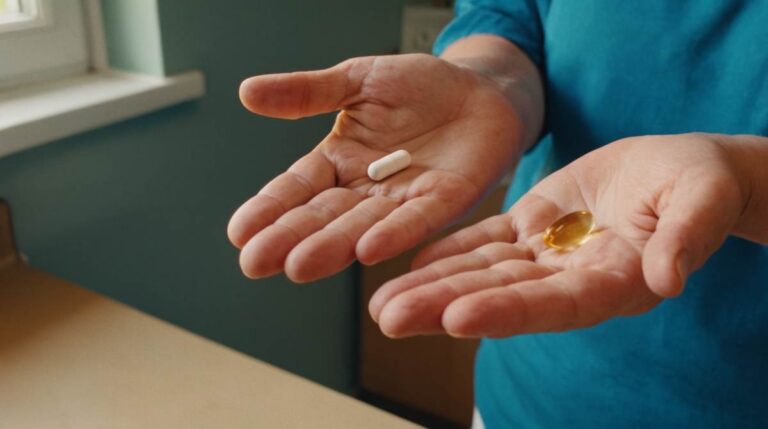
Your thumb is already tracing the ingredient panel on the back of the bottle, and each name sounds more scientific than the last. You want one honest answer: which of these has actually been tested in people, and what did those tests show. The article lines up the two most studied ingredients, and the pattern that comes out is not the one the shelf promised.
You are standing in the supplement aisle, holding a bottle whose label promises focus, clarity, and a sharper memory, and you cannot tell whether the promise is built on anything. The tension is familiar: the words on the shelf sound like science, but the part of you that wants a real answer suspects the science is thinner than the marketing. The useful answer is that most single memory ingredients tested in healthy adults show small, mixed, or absent effects, and the strongest findings come from studies of people who already have cognitive impairment, not from people trying to stay sharp. If you leave now, take this with you: no supplement in this category is approved by the U.S. Food and Drug Administration for improving memory, and the ingredient with the largest trial behind it failed to reduce dementia risk.
Ginkgo: the largest trial found no dementia benefit
Ginkgo biloba leaf extract is one of the most studied herbal products for brain health, and the evidence is unusually clear about what it does not do. In the Ginkgo Evaluation of Memory study, funded by the National Center for Complementary and Integrative Health and the National Institute on Aging, more than 3,000 people age 75 or older with normal cognitive function or mild cognitive impairment were randomly assigned to take a ginkgo supplement or a placebo for a median of 6 years. There was no difference between the ginkgo and placebo groups in the rates at which participants developed dementia of any type or Alzheimer’s disease.
Common assumptions against the findings
- Largest trial behind an ingredient does not mean it worked
- Prescription omega-3 products are not the same as typical supplements
- Absence of evidence is not a reason to assume benefit
- No supplement in this category is approved by the FDA for improving memory
- Combinations sold in stores have rarely been studied like single ingredients
The same pattern appears across three large studies in older adults with normal cognitive function or mild cognitive impairment: supplementation with ginkgo extract did not reduce the risk of dementia. For dementia symptoms, some evidence suggests a modest benefit, particularly at relatively high doses, but the findings are inconsistent, and it is unclear whether ginkgo helps with milder cognitive impairment. For healthy adults, much of the research on cognitive performance is of low quality, and the National Center for Complementary and Integrative Health states that ginkgo has not been shown to be effective for any of the conditions for which it has been studied.
Safety is a separate concern. Ginkgo leaf extract is generally well tolerated, with the most common side effects being dizziness, gastrointestinal symptoms, and headache. But ginkgo may increase the risk of bleeding in people taking anticoagulant drugs such as warfarin, and it may interact with other medicines. Anyone taking any type of medicine should talk with a health care provider before using ginkgo or other herbal products, because some herbs and medicines interact in harmful ways.
Omega-3s: cognitive findings depend on who is studied
Omega-3 fatty acids, especially EPA and DHA from fish oil and other marine sources, have been tested for cognitive outcomes in several different populations, and the results split along a clear line. A 2022 review of 33 studies suggests that dietary and supplemental omega-3s may have a protective effect against cognitive decline for healthy people without preexisting Alzheimer’s disease or dementia. However, there was no effect on cognition for people already diagnosed with Alzheimer’s disease.
A 2018 review of 7 studies with 795 participants, men and women between the ages of 55 and 90 with mild to moderate Alzheimer’s disease, found that omega-3 fatty acid supplementation may be beneficial in disease onset, when there is slight impairment of brain function. The authors said there is not enough evidence to support omega-3 fatty acid supplementation for treatment of the disease. A 2017 research review suggested that people who carry a gene called APOE4, which is associated with an increased risk of Alzheimer’s disease, might benefit from taking DHA before developing signs of the disease, but this remains a possibility rather than a settled finding.
For healthy adults, the evidence is suggestive rather than strong. The 2022 review points to a possible protective effect against cognitive decline, but the quality of the underlying studies varies, and the effect is not large enough to justify a universal recommendation. The Federal Government’s Dietary Guidelines for Americans 2020–2025 recommends that adults eat 8 ounces or more of a variety of seafood per week, and some seafood choices with higher amounts of EPA and DHA should be included. The guideline is about food, not pills, and the evidence for benefits from seafood is stronger than the evidence for omega-3 supplements.
What the evidence table shows when you line the ingredients up
The pattern across ingredients is easier to see when the findings are placed side by side. Ginkgo has the largest and most definitive trial, and it failed to reduce dementia risk. Omega-3s have a possible protective signal in healthy people but no effect in people already diagnosed with Alzheimer’s disease. Other single ingredients commonly sold for memory have smaller or lower-quality evidence, and the National Center for Complementary and Integrative Health and the Office of Dietary Supplements both describe the overall picture as uncertain for healthy adults.
Ginkgo: dose studied varied by trial, with the Ginkgo Evaluation of Memory study using a standardized extract over a median of 6 years; who was studied: more than 3,000 people age 75 or older with normal cognition or mild cognitive impairment; result: no reduction in dementia risk; evidence quality: large randomized trial, but no benefit shown; who should be careful: people taking anticoagulant drugs such as warfarin.
Omega-3s: dose studied varied, with trials using EPA and DHA from fish oil, algal oil, and other sources; who was studied: healthy adults, people with mild to moderate Alzheimer’s disease, and people with cardiovascular risk; result: possible protective effect against cognitive decline in healthy people, no effect on cognition in people with Alzheimer’s disease; evidence quality: mixed, with reviews noting low or very low quality for some outcomes; who should be careful: people taking blood-thinning medicines should discuss use with a doctor.
The table does not settle the question of whether ingredients taken together behave differently from ingredients tested alone. Most trials test one ingredient at a time, and the combinations sold in stores have rarely been studied in the same way.
The mistake people make with memory supplements
The most common mistake is treating the absence of evidence as a reason to keep buying, on the theory that a supplement might help and probably will not hurt. The problem is that the safety record is not uniform. Ginkgo may increase bleeding risk in people taking anticoagulant drugs, and omega-3 supplements have side effects including unpleasant taste, bad breath, bad-smelling sweat, headache, and gastrointestinal symptoms such as heartburn, nausea, and diarrhea. For most adults, ginkgo leaf extracts are likely to be safe when taken orally in moderate amounts, but that does not mean they are harmless for everyone.
Another mistake is assuming that a prescription drug and a dietary supplement with a similar name work the same way. Several products containing omega-3s have been approved as prescription drugs to reduce triglyceride levels in patients whose triglyceride levels are very high, but the composition of these products is not the same as that of typical omega-3 supplements, and the testing and regulation of prescription drugs differ from those for dietary supplements. The effects of these prescription products may not be the same as those of omega-3 dietary supplements.
A third mistake is waiting too long to mention a memory change to a doctor. Memory trouble has several causes, not one, and a persistent or worsening change should be evaluated by a health care provider rather than treated with a supplement. If a memory problem appears suddenly or is accompanied by weakness, confusion, or difficulty speaking, seek emergency care.
How to read the label without being misled
Dietary supplements are not approved by the U.S. Food and Drug Administration before they are sold to the public, and the rules for making and distributing dietary supplements are less strict than those for drugs. Manufacturers and distributors are responsible for evaluating the safety and labeling of their products before marketing, but the FDA does not verify efficacy claims in advance. When public health concerns arise about the safety of a dietary supplement or an ingredient, the FDA can take action to protect the public.
Before continuing any supplement
- Talk with a health care provider if you take any type of medicine
- Do not stop or change a prescribed medicine without consulting the prescriber
- Mention a persistent or worsening memory change to a doctor
- Sudden memory trouble with weakness, confusion, or difficulty speaking needs emergency care
- Ask whether ginkgo could raise bleeding risk with anticoagulant drugs
The National Center for Complementary and Integrative Health and the Office of Dietary Supplements both emphasize that the evidence for most single memory ingredients in healthy adults is limited or mixed. If you take any type of medicine, talk with your health care provider before using ginkgo or other herbal products, and do not stop or change a prescribed medicine without consulting the prescriber.
 Which of your pills has proof?Which one actually held upWatch the video to see how each ingredient measured up in human trials
Hold that thought for a moment and watch the full video about slips that keep returning.
A single ingredient failing once is a question about a bottle; the same slip returning week after week is a question about you. Set the label down and watch the full video on what those recurring slips mean.
In this section
- Lion’s Mane Benefits: The Memory Trial Behind the Hype, and What Happened When It Ended
- Magnesium L-Threonate: Made to Reach the Brain, but What Have Human Studies Found?
- Nootropics meaning: the 5 original criteria, and why few pills labelled ‘nootropic’ today meet all of them
- Vitamins for Memory: The Ones That Matter If You’re Low, and Why Extra Rarely Helps
- Alpha-GPC for Memory: What Trials Tested, and the Stroke-Risk Finding You Should Know
- Bacopa Monnieri for Memory: Why Trials Ran 12 Weeks, and What Changed by the End
- Best brain supplements for seniors: what changes after 65, and which pairings to check with a pharmacist
- Brain fog supplements: what each popular ingredient showed when it was actually tested
- Citicoline for memory: what the studies in older adults found, the doses used, and how it compares with alpha-GPC
- Focus Supplements: What Moved Attention in Studies, and What’s Just Caffeine
- Ginkgo Biloba Benefits for Memory: What a 3,000-Person Trial Actually Found
- Huperzine A: The Memory Supplement That Acts Like a Prescription Drug
- Omega-3 Supplements: The Benefits That Hold Up, and What Trials Found for Memory
- Phosphatidylserine for Memory: Why Early Studies Used Cow Brain, and Why That Matters Now
Every note on Supplements & food
Lion’s mane
 Does this mushroom help memory?Lion’s Mane Benefits: The Memory Trial Behind the Hype, and What Happened When It EndedYou are about to type a reply on the thread saying it is working, and you stop, because you would word it differently if you had stopped last month instead.
 Lion’s Mane dosing unclear?Lion’s Mane Supplement Labels: Fruiting Body vs Mycelium, Trial Doses, and How Much Is Too MuchA friend leaning over the back of the couch points at the word mycelium before you have read it yourself, then asks why grain is printed on a mushroom pill at all.
 What is this one doing in there?Lion’s Mane Side Effects: What’s Reported, Drug Interactions, and Is It Psychedelic?Your partner notices the jar before you do, sitting on the bathroom shelf beside your prescription bottles for weeks. When they ask what it is for, you realize you cannot say how much you have been taking or what else is in the capsule.
 Is this mushroom tested for ADHD?Lion’s Mane for ADHD: What Studies Have Actually Tested, and What They Haven’tThree lines into an email you have already rewritten, you stop. The subject line is fine. It is the name in the second paragraph that will not come.
Omega-3, magnesium & choline
 The real reason omega-3 trials splitOmega-3 Supplements: The Benefits That Hold Up, and What Trials Found for MemoryThe fish oil bottle is in your hand, cap half-turned back, label facing you under the counter light. A friend told you it helped her focus, so you have kept reading the small print anyway, hunting for the word memory.
 Does this capsule reach the brain?Magnesium L-Threonate: Made to Reach the Brain, but What Have Human Studies Found?You are standing in the supplement aisle, holding a bottle that promises to put magnesium where it matters most: inside your brain.
 What this soybean does for memoryPhosphatidylserine for Memory: Why Early Studies Used Cow Brain, and Why That Matters NowYou are standing in the supplement aisle, holding a bottle whose label promises sharper recall, and you notice the word phosphatidylserine in small print.
 Does this capsule raise your stroke risk?Alpha-GPC for Memory: What Trials Tested, and the Stroke-Risk Finding You Should KnowYou are standing in the supplement aisle, turning a tub of alpha-GPC powder in your hands, trying to remember whether the promising forum thread mentioned 300 milligrams or 600.
 Which of these two helps sleep?Magnesium L-Threonate vs Glycinate: Which Was Studied for Sleep, Anxiety or MemoryThe bathroom cabinet clicks shut and the house goes quiet again. You have just swallowed the evening magnesium, the one you chose for sleep, and now you are staring at the other bottle on the shelf.
 Is this capsule behind this hair loss?Magnesium L-Threonate Side Effects: Drowsiness, Headaches and the Hair Loss QuestionThe bottle is on the nightstand beside a glass of water with a chalky film at the bottom. You took the capsule about an hour ago, and now it is past ten and your eyelids are heavy in a way that has nothing to do with the day you had.
 Seeds or this capsule for memory?Magnesium for the Brain: Which Form Has Been Studied for Memory, and Who Actually Runs LowThe silence comes after the word you wanted turns into a synonym and your friend covers the gap without a fuss. Nobody mentions it.
 Does phosphatidylserine really lower cortisol?Phosphatidylserine and Cortisol: What the Stress Studies Really MeasuredPhosphatidylserine is what you are reading on the bottle in your hand, standing in the kitchen with the under-cabinet light on and the mug you forgot about going cold on the counter.
 Does this salmon do anything for memory?Omega-3 and the Brain: DHA vs EPA, Trial Doses, and Who Saw a Memory EffectYou are at the kitchen counter with a softgel resting on your fingertip, the fish smell already on your thumb, and a label that prints EPA and DHA in milligrams you have nothing to compare them against.
 Citicoline or alpha-GPC for memory?Citicoline for memory: what the studies in older adults found, the doses used, and how it compares with alpha-GPCYour phone’s notes app holds a list you started in the aisle: citicoline first, alpha-GPC beneath it, and the bottle’s label photographed beside them. The label reads confident, the way these labels do.
Herbal ingredients
 Does this leaf really help memory?Ginkgo Biloba Benefits for Memory: What a 3,000-Person Trial Actually FoundYou open the kitchen cupboard and see the small amber bottle of ginkgo biloba you bought after a week of misplacing your keys and walking into rooms without remembering why.
 Does this herb work for memory?Bacopa Monnieri for Memory: Why Trials Ran 12 Weeks, and What Changed by the EndThis is the second time you have paused over that bottle, the first one still sitting unopened on your bathroom counter, and the fine print about standardization reads exactly as vague as it did before.
 What this moss does to memory?Huperzine A: The Memory Supplement That Acts Like a Prescription DrugThe rattle of the bottle stops, and the aisle goes quiet again. You read the label twice, because huperzine A sounds like something a doctor would prescribe, not something you would pick up next to vitamin C.
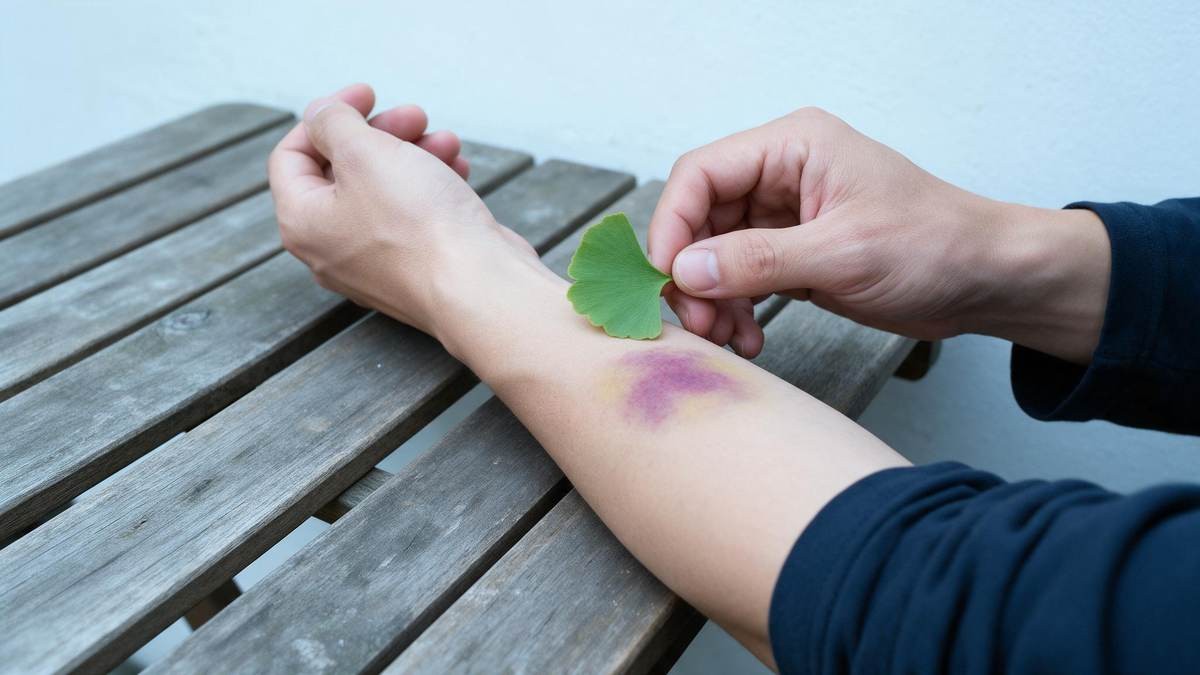 Why ginkgo makes bruises like thisGinkgo Biloba Side Effects and Dosage: The Bleeding Risk and the Dose Trials UsedYou were about to say it is just ginkgo, nothing like a real drug, when your eyes land on the bruise on your forearm.
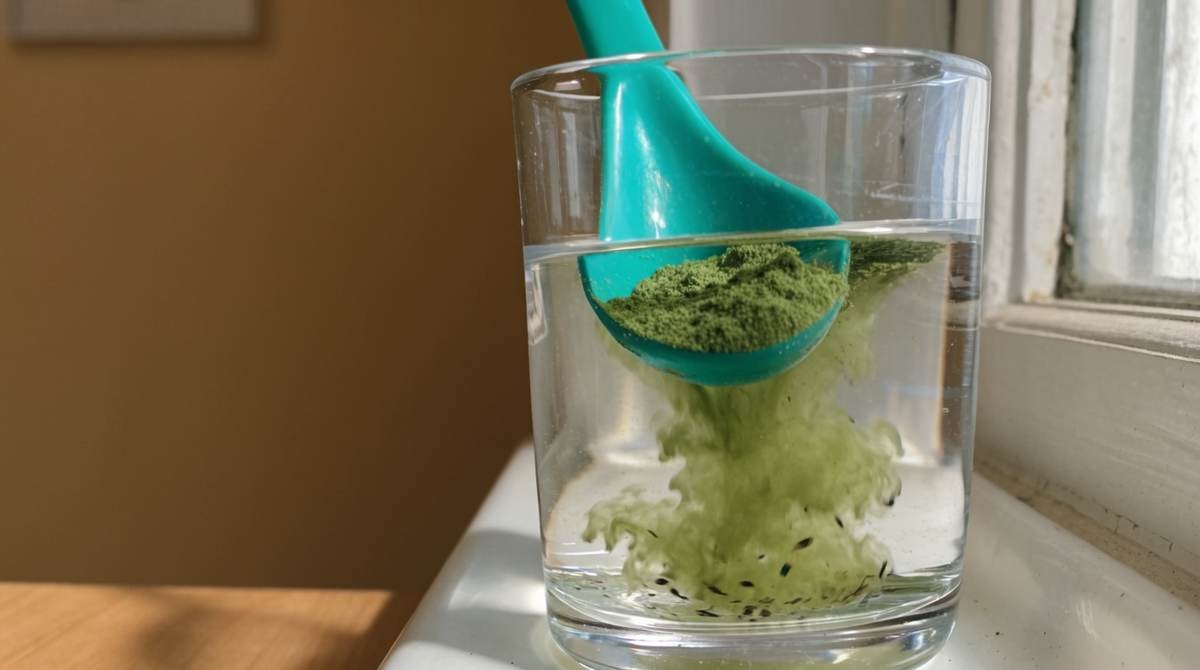 Will this powder upset your stomach?Bacopa Monnieri Side Effects and Dosage: The Stomach Issue and the Dose Trials UsedThree weeks into the bottle, you have learned the timing. It is not the capsule that is the problem. It is the half hour after, when your stomach starts a low, persistent churn that no amount of water settles.
Nootropics
 Your nootropic may not fit the testNootropics meaning: the 5 original criteria, and why few pills labelled ‘nootropic’ today meet all of themYour friend glances at the bottle on your desk and asks what nootropic even means, and you realize you cannot answer without hedging.
 Do nootropic labels hide doses?Best Nootropic Supplements Ranked by Human Evidence, and How Labels Hide the DosesYou are standing in the supplement aisle, holding a bottle that promises sharper focus, and the back label lists twelve ingredients inside a single number marked ‘proprietary blend.’ The tension is familiar: you want a better memory, but…
 What are these specks in this tablet?Are Nootropics Safe? Side Effects, Interactions and the Label Problems to Check FirstYou are standing at the kitchen counter with an amber bottle in one hand and a folded insert in the other, and the print has gone gray where your thumb keeps landing. The tablet tastes faintly of chalk.
 Does this capsule really help memory?Best Drug to Improve Memory? Why None Is Approved for Healthy Adults, and What ‘Study Drugs’ DoYour search tab is open on a list of pills and powders, each one promising the recall that slipped away mid-paragraph, and not one line tells you which claim has an approval behind it.
Food for the brain
 Is your diet costing your memory?Foods for Your Brain and Memory: The Short List That Actually Has Evidence Behind ItThe sound you just heard was the pause — someone asked you a question and the answer sat behind your teeth while you waited for it to arrive. Now the list you carry in your head needs sorting: leafy greens, berries, fish, beans, nuts.
 Which of these two baskets feeds memory?The MIND diet: the 10 food groups it favors, the 5 it limits, and what the 3-year trial actually foundYou are standing at the counter with a grocery list, a pen, and a sentence somebody sent you about eating for your memory.
 Did these foods lower risk?Foods and dementia risk: what a 3-year diet trial actually foundYou are standing in the produce aisle with your phone still open, and the bunch in your hand is cold and wet from the misters, the leaves sticking together in a clump against your knuckles.
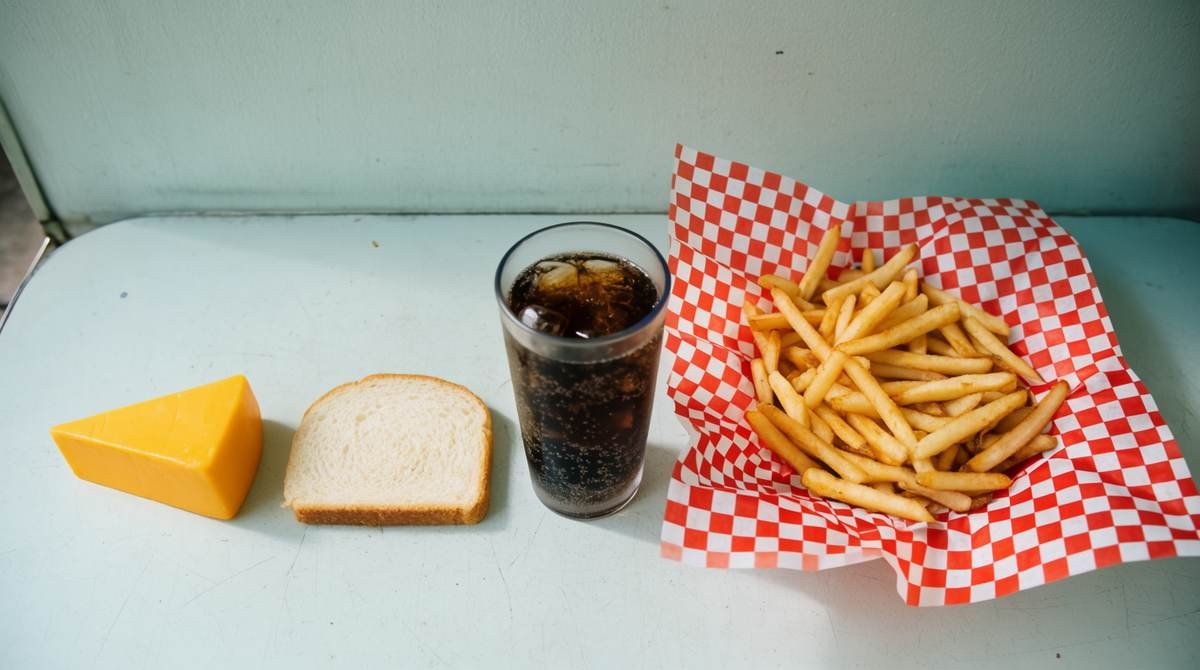 Do bad foods harm memory?Bad Foods for Your Brain: What Studies Tie to Memory Decline, and What’s Just MythYou are standing at the counter with your back to the shelf, phone face-up beside a block of cheese, reading a list that runs cheese, white bread, sugary soda, fried everything. The store lights put a glare across the screen.
 Is this breakfast right before an exam?Brain Food for Exams: What to Eat the Night Before and the Morning OfSomeone leans across the table and asks what you’ll eat before the exam, and you find you have no answer beyond the usual.
 These leaves for your morning focus?Best tea for brain function: what caffeine and L-theanine do for focus and memory, and what they don’tYou are halfway down a paragraph you have already read twice, the mug warm against the heel of your hand, a pale ring drying on the desk where you set it down. The words are not hard words.
Supplements overview
Which of your pills has proof?Brain Health Supplements: What Human Trials Found for Each Memory IngredientYour thumb is already tracing the ingredient panel on the back of the bottle, and each name sounds more scientific than the last. You want one honest answer: which of these has actually been tested in people, and what did those tests show. Which of these four did anything?Brain fog supplements: what each popular ingredient showed when it was actually testedYou are looking at a note on your phone, four supplement names you copied off two bottles, one of them misspelled, and you realize you cannot say what any of them are for.
 What’s really in this capsule?Focus Supplements: What Moved Attention in Studies, and What’s Just CaffeineYou turn the bottle over under the shelf light and the fine print blurs: six ingredients, none of them familiar, plus a proprietary blend that hides the rest.
 Which brain supplements after 65?Best brain supplements for seniors: what changes after 65, and which pairings to check with a pharmacistYour medicine list is spread across the bathroom counter, several bottles and one folded note where you wrote down a supplement a friend mentioned. The note says ginkgo, with a question mark beside it.
Vitamins b12
 How much B12 do adults need?Vitamin B12 Dosage for Adults: Why 5,000 mcg Tablets Exist When the Daily Need Is 2.4 mcgYour phone screen shows a note you saved at the pharmacy: a huge strength on one line, the daily need on another, and nothing in between to explain the gap.
 Do these extra capsules do anything?Vitamins for Memory: The Ones That Matter If You’re Low, and Why Extra Rarely HelpsYour daughter is the one who says it first. She watches you search the same drawer twice, then asks if you’re okay in a voice that’s too careful.
 Do you need this tablet too?Vitamin B12 Benefits for Women and Men: The Ones That Need a Low Level, and the Side EffectsYour screen shows a short note with one blank line where a colleague’s name should be. You stared at it, typed something, deleted it, and now the sentence sits there half-finished while your afternoon fills up.
 B12 deficiency stages and memory?The 4 Stages of B12 Deficiency: Where Memory Changes Appear, and How Recovery GoesYou are halfway through a sentence at the kitchen table and the word has gone. The tip of your tongue is sore where it presses against your teeth, raw enough that you have been pushing food to one side for a while without saying so.
 Low B12 making you forget?B12 and Memory: When Low Levels Cause Fog and Forgetting, and When Extra Won’t HelpYour coworker finishes your sentence in the staff meeting and you nod as though nothing happened, but the second time she waits, pen down, watching you. You have already decided it is nothing.