You are standing at the kitchen counter with the phone in one hand, having come in for something you no longer have a word for. The kettle is warm under your other palm, which tells you it was you who filled it. There is a grocery list on the counter with three items written in and a blank fourth line where you meant to add one. You read the three items again. They are correct and they are useless. This is the part nobody warns you about: the moment is not dramatic. Nothing falls. You simply cannot produce the thing you were sure of a second ago, and you stand there long enough that the kettle clicks off. You write it down, or you walk back to the room you came from and find the answer waiting on the table, already forgotten twice. Here is what the evidence actually ranks, plainly enough to act on today: seven to nine hours of sleep most nights, at least 150 minutes of physical activity a week, treated hearing and vision loss, a medication list reviewed with a doctor, blood pressure kept in check, and deliberate practice on the exact material you want to hold. Brain-training games and supplements sit at the weak end of that shelf.
Why sleep keeps the top of the list
Federal guidance on cognitive health puts sleep beside the physical health steps: seven to nine hours a night, generally. It is the least glamorous item on the page and the one that conditions the others. After a short night you notice attention first, not memory, and attention is what memory gets to work with. The same paragraph read three times stops yielding anything new, and you start believing you have lost the ability, when what you have lost is a night. The practical version is unremarkable. Fixed wake time, a dark room, the last hour without a screen, and an honest look at what is interrupting you. Sleep apnea is one of the specific conditions worth raising with a doctor, because it interrupts sleep in a way that willpower cannot fix, and because tiredness that survives a full night in bed is information rather than a character flaw.
What the evidence ranks
| Lever | What was measured | Strength of evidence |
|---|---|---|
| Sleep | Routine recommendation supporting cognitive health and daily function | Strong as guidance |
| Physical activity | At least 150 minutes a week, plus trials on a brain structure important to memory | Mixed |
| Blood pressure | SPRINT MIND: systolic pressure under 120 mmHg over five years of treatment | Strong |
| Reasoning and speed training | ACTIVE trial, measured over 10 years | Mixed |
| Memory-specific training | Same ACTIVE trial, memory group | Weak |
| Supplements | No vitamin recommended for preventing cognitive decline | Mixed |
Two lines, then a long one. You cannot out-technique a body that has not been given the night. Everything further down this page assumes you have tried that first.
It lands mid-study, four pages into a section you have already read twice, and the sentence you just finished has gone without leaving a mark. You go back one line, then three, and the words are legible and empty. You start marking every paragraph with a pen so the page shows evidence you were there, and it works for an hour. By the following week you have quietly stopped reading anything without the pen, stopped volunteering to hold a name or a date for anyone else, and stopped the evening walk because the hour seemed better spent re-reading. Nothing dramatic is missing. You have simply made the session smaller every time it got hard.
What the evidence ranks, and how hard
The rows below are written as they would appear in a table: lever, what the studies measured, strength of the evidence. Strength here describes how solid the finding is, not whether it will change your life this week. Sleep: measured as a routine recommendation supporting cognitive health and daily function; strong as guidance, thin as a memory-specific trial. Physical activity: federal guidance of at least 150 minutes a week, plus trials linking activity with a larger brain structure important to memory and learning and with better spatial memory; mixed, because more research is needed on prevention. Blood pressure: the SPRINT MIND trial found that people age 50 and older who lowered systolic pressure to less than 120 mmHg had reduced risk of mild cognitive impairment over five years of treatment; strong. Reasoning and speed-of-processing training: measured in the ACTIVE trial over 10 years, with less decline than the memory and control groups; mixed. Memory-specific training from the same trial: weak. Commercial brain-training games: not enough evidence to suggest they carry the same impact as the ACTIVE study training; weak. Supplements: no vitamin or supplement is recommended for preventing Alzheimer’s or other forms of cognitive decline, though recent clinical trials found a daily multivitamin improved memory and cognition in older adults; mixed. Diet: observational findings for the Mediterranean and MIND diets, and a trial where the MIND diet produced only small cognitive improvements similar to a control diet with mild caloric restriction; mixed. Social contact: I-CONECT, almost 200 adults age 75 and older, and the Health and Retirement Study, more than 7,000 participants age 65 and older, where higher social engagement was associated with better cognitive health later in life; mixed.
Numbers worth having
- Seven to nine hours of sleep, most nights
- At least 150 minutes of physical activity a week
- Systolic pressure under 120 mmHg in the SPRINT MIND trial
- Ten years of follow-up in the ACTIVE trial
- Survey reports of subjective cognitive decline from adults aged forty-five and older
We keep a running list of things worth returning to, and we watch the full video whenever a reader writes in about everyday recall.
Practice transfers less than you hope
This is the claim that sounds wrong until you sit with it. Training improves the trained skill and travels further than you expect only in some cases. In the ACTIVE trial, reasoning and speed-of-processing groups held up better over 10 years than the memory group, which means the benefit did not land where most people aim it. So the technique question becomes an address question: what exactly do you want to remember, and are you practizing that? Learning a named craft produced more memory improvement in one study than socializing or lighter activities, and that result is about depth of engagement rather than about crafts. Concentration is the quiet hinge. Techniques for recall assume you were present when the thing arrived.
The weak end of the shelf
Commercial computer-based applications have not been shown to carry the same impact on cognitive abilities as the training used in the ACTIVE trial. That is a statement about what has been measured, not a promise that nothing works. Supplements are stricter still: at present no vitamin or supplement is recommended for preventing Alzheimer’s or other forms of cognitive decline. The multivitamin finding above is real and narrow, and it is not the same as an over-the-counter memory product. Diet sits in between, with encouraging observational patterns and a trial whose results were not conclusive. A number worth having: the CDC gathers survey reports of subjective cognitive decline from adults aged forty-five and older. It is a self-reported change in memory or thinking, it is more common than most people expect, and it is screening information rather than a diagnosis.
The larger question this page leaves open: when the same item keeps slipping even though sleep, movement, and attention have been tidied up, what is actually failing, the moment of taking it in, the holding, or the getting it back out, and how would you tell those apart from the outside rather than guessing?
When this is not a habit problem
If the change is persistent or getting worse, the useful move is an appointment, not another technique. Bring a list of what changed and when. Several separate causes produce memory trouble, and a doctor can work through them: sleep apnea, hearing loss, medicines and their interactions, low B12, thyroid problems, depression, and the ordinary side effects that some medicines have on memory, sleep, and brain function. Do not stop a prescribed medicine on your own. If confusion comes on suddenly, that is a different page. Call 911 or go to the emergency room now rather than waiting for a routine visit. We are not ranking these causes against each other, because they are not in competition. They are the fork: habit adjustments for the ordinary dips, and a clinician for anything that stays.
If the change persists
- Make an appointment, not another technique
- Bring a list of what changed and when
- Raise sleep apnea, hearing loss, and medicine interactions
- Ask about low B12, thyroid problems, and depression
- Do not stop a prescribed medicine on your own
- Sudden confusion means call 911 or go to the emergency room now
 The real reason memory tips fail youWhich lever is actually holding yours?Watch the video that walks the same question from a different angle
When the everyday levers feel slow, watch the full video offers a second path through the same difficulty.
In this section
- Does brain training work? What the big studies found, and how to judge any brain training app
- Memory techniques that actually work: the right one for names, lists, numbers or facts
- How to study effectively: the methods that beat rereading, even decades after school
- How to improve short-term memory: why drills barely stretch it, and what helps instead
Every note on Memory training
Brain training
 Does your brain change with practice?What is neuroplasticity? A plain-English definition, with 5 real examples from studiesYour fingers hover over the phone screen, and for half a second the word you wanted sits just out of reach, like a name on the tip of your tongue that will not come.
 Memory slips? Not every game trains itBrain games for adults: which memory games actually train your memory, and which are just funThe room goes quiet after you close the puzzle book. Your fingers still know the last clue, but the thought you were holding a moment ago has already slipped somewhere behind you.
 Do these two teal tiles match?Concentration Card Game: How to Play, and What It Really Trains in Your MemoryYou were about to say it helps your memory, that clearing the grid faster each week means something carries over. Then a colleague you have met twice introduces herself again and you have nothing to offer her.
 Memory slipping a little?Brain exercises for memory: a 10-minute routine you can do with a pen and paperYou sit down with your morning coffee, open the notebook you keep by the kettle, and realize you cannot name the three things you meant to do before lunch. The list was in your head a minute ago.
 The real reason brain training disappointsDoes brain training work? What the big studies found, and how to judge any brain training appThe grid is already warm under your thumb, third round in a row, and the pair on the left slides out of reach the moment you swipe it. You know this pattern.
 Will picking it up help your memory?Neuroplasticity exercises: 6 activities that changed adult brains in real studiesThe guitar you bought to keep your memory sharp sits unplayed in the closet corner, still holding the chords from a week you abandoned. You picked the demanding thing, then quit when nothing felt different.
 The real reason puzzles slip your mindBrain teaser games with answers: 15 puzzles to try, and the memory skill each one usesThere is a teaser in your group chat and you have read it several times over.
 Playing alone falls flat? Here is whyBrain games for seniors: what to play for memory, and why playing together countsYour neighbor asks, “Wednesday cards — are you coming this week?” and a ready-made excuse about a headache forms before you finish hearing it. The half-finished crossword waits beside you on the table.
 Does the brain stop changing at 50?Does neuroplasticity decrease with age? What changes after 50, and what doesn’tYou are holding a note in your own handwriting, three items you wrote down an hour ago so you would not forget them, and the second one will not come back without reading it. The word is right there behind the reading.
Memory techniques
 Names slip mid-handshake. There is a patternMemory techniques that actually work: the right one for names, lists, numbers or factsSomeone across the table says their name, you repeat it out loud, and by the time you sit down it is gone. The handshake was warm, the coffee cup is in your other hand, and what you keep is only the sense that the person seemed friendly.
 Saw it clearly, still can’t draw it?Is photographic memory real? What researchers found when they tested eidetic memorySomeone has just asked you to describe the last page you read, and you can see the shape of it but not the words.
 Which mnemonic trick actually sticks?Mnemonic devices: 9 types, with examples you probably learned in schoolThe front door key is in the fruit bowl, resting against a pear, and you have no memory of putting it there.The real reason memory tips fail youHow to improve your memory: what has real evidence behind it, and what mostly doesn’tYou are standing at the kitchen counter with the phone in one hand, having come in for something you no longer have a word for. The kettle is warm under your other palm, which tells you it was you who filled it.
 Can a memory palace help me remember?The memory palace (method of loci): build your first one tonight in a home you knowYou are standing in your hallway with a phone in your hand, trying to hold ten grocery items in your head while you lock the door. The list is already slipping: milk, eggs, something green, the thing for tomorrow’s lunch.
 Can you remember these five items?Photographic memory test: how much detail can you keep from one picture?You are looking at a picture of a kitchen table after breakfast: a blue mug, a folded newspaper, two keys on a ring, a half-eaten slice of toast on a white plate, and a small potted cactus near the window.
 Drills not working? There’s a patternHow to improve short-term memory: why drills barely stretch it, and what helps insteadYou are standing in a doorway. Someone tells you where the file went, who else needs a copy, and what to say if that person is out, without ever pausing. Your thumb is already on the screen because a message arrived halfway through.
 This ball flips the tree upside downCan you develop a photographic memory? What memory athletes do insteadYou are three lines into a page of notes and the words are sliding off it. The cup has left a brown ring at the corner of the sheet. You read the sentence again, and each pass leaves less behind.
 The real reason you sound scriptedHow to memorize a speech fast without sounding like you’re reciting itYou have already crossed the room and reached the lectern, the card you wrote out at the dining table folded small in your hand. The water is warm, the room is quiet, and the first sentence you planned simply is not there.
Studying and learning
 Your notes never stick? The real reasonHow to study effectively: the methods that beat rereading, even decades after schoolYou glance at the highlighted page in front of you and realize the words look familiar but the meaning has already gone quiet. The lamp is on, the phone is face down, and still the paragraph will not hold.
 Two weeks left to study?How to study for exams: a countdown plan from two weeks out to the night beforeA friend glances at your open notes and says they cannot tell which page you are actually on, and you realize the highlighter has been running ahead of you for an hour. You can point at the sentence but not say it.
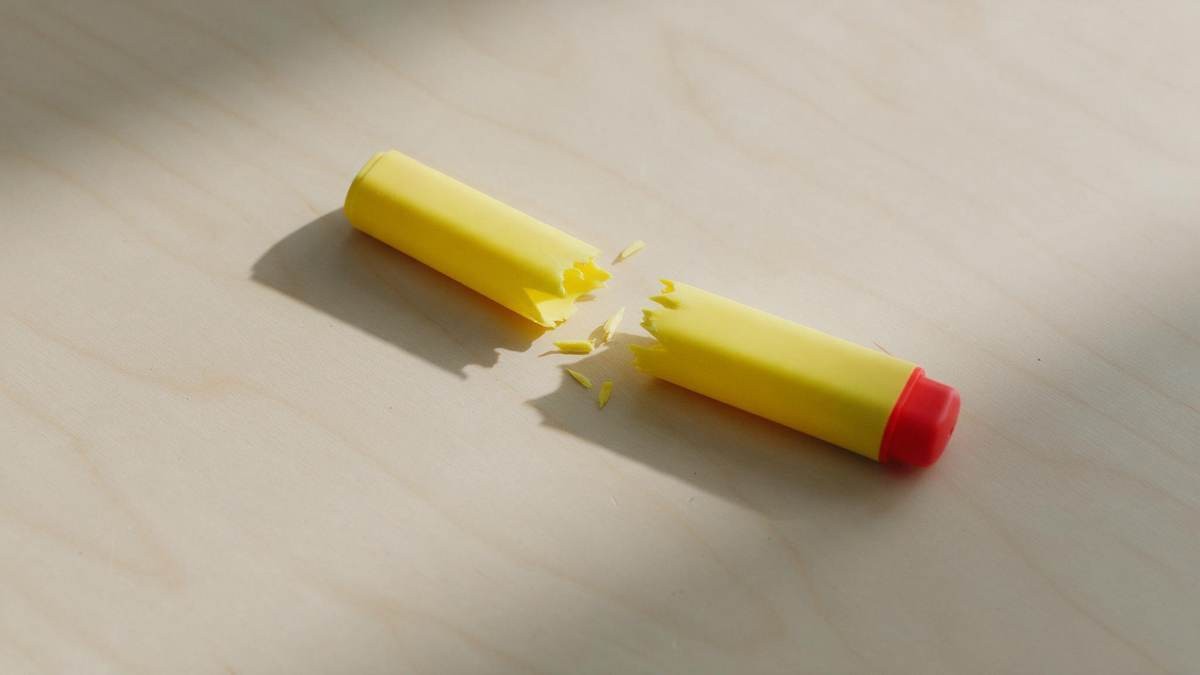 Nothing sticks after studying? Here’s whyMemory techniques for studying: how to memorize fast, matched to what you’re learningSomeone leans over and says the yellow band is doing all the work for you.
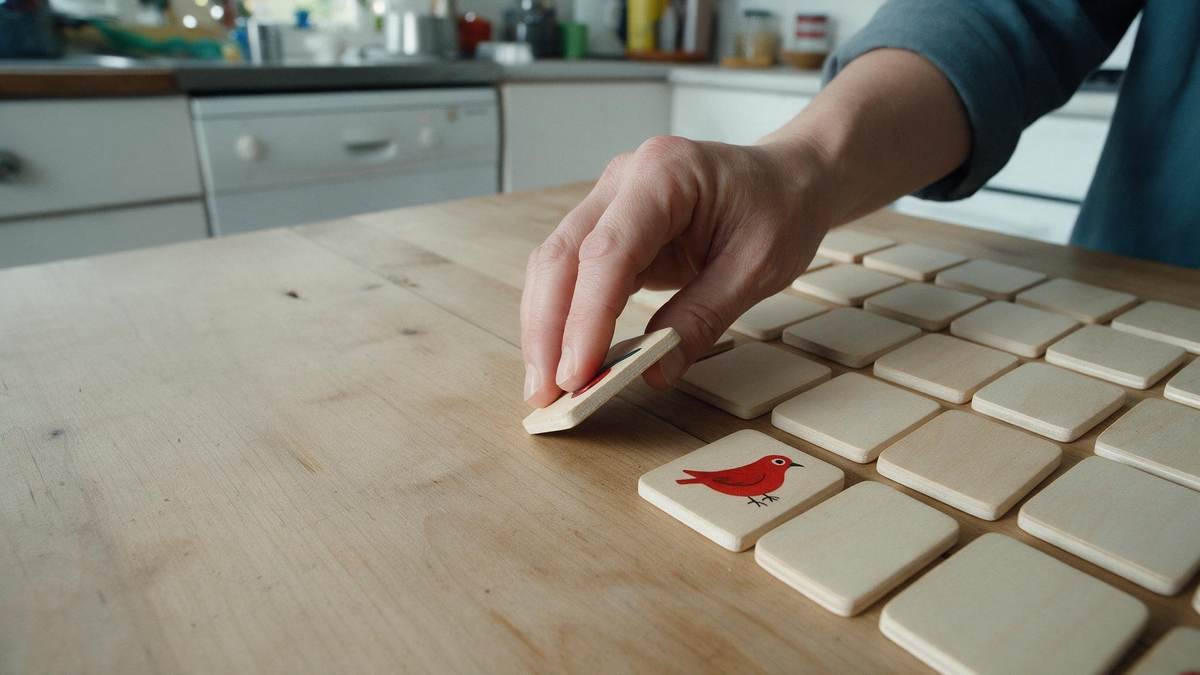 Recall is not what you thinkWhy trying to recall can help learningYou’re looking at a short list of instructions on your phone, confident you’ll remember the order. The screen goes dark for a second, and the confidence thins. You try to say the steps aloud and find the middle one has gone soft.
Remembering what you read
 Why does this last stone disappear?Spaced repetition: when to review something new so you still remember it next monthSpaced repetition explained: when to review something new so you still remember it next month, and how to choose what is worth the effort.
 Gone by tomorrow? Here is whyHow to remember what you read: why it fades by the next day, and what makes it stickHow to remember what you read: learn why the page fades by the next day, how to tell attention, recall and capture apart, and the right fix for each.
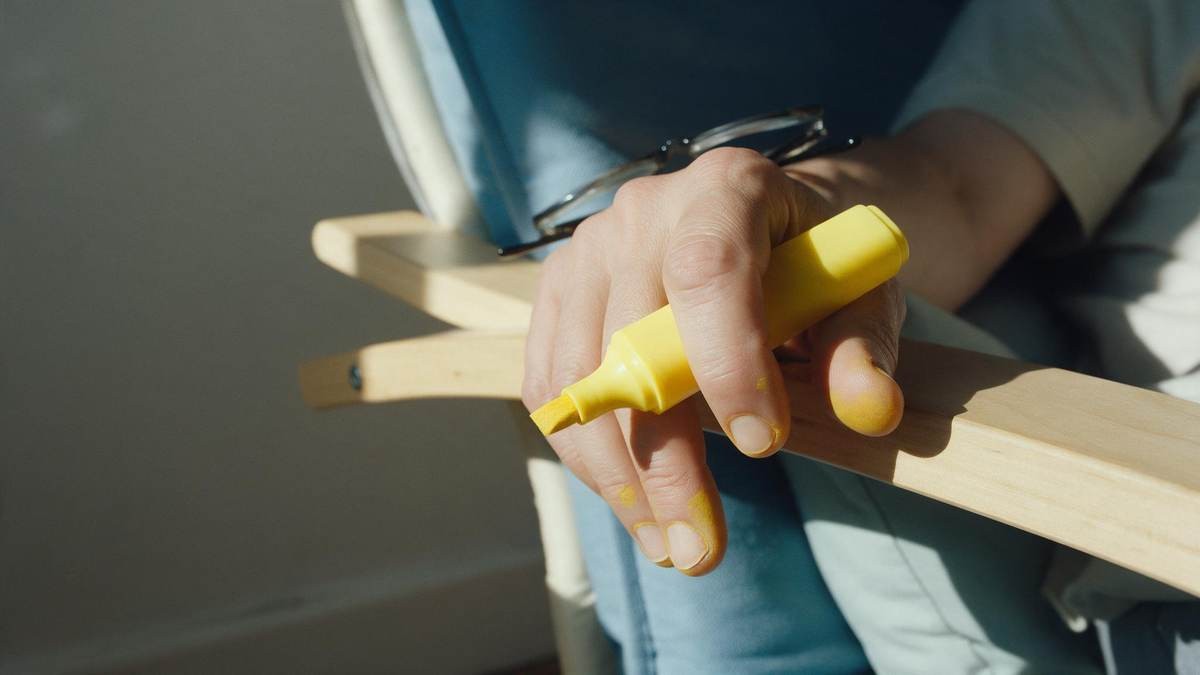 Notes that never get used?Take notes that are useful after readingSomeone asks you a direct question about last month’s reading, and you reach for the notebook with confidence. Three pages of notes sit there, dense and thorough, yet the answer is nowhere in them.
 Losing the plot between sessions?Keep track of a story across several reading sessionsYou had the name on your tongue a second ago, and now it is gone. The page is open to the exact spot, the bookmark is still in place, but the woman mid-scene might as well be a stranger. You remember the book was gripping, but not why.
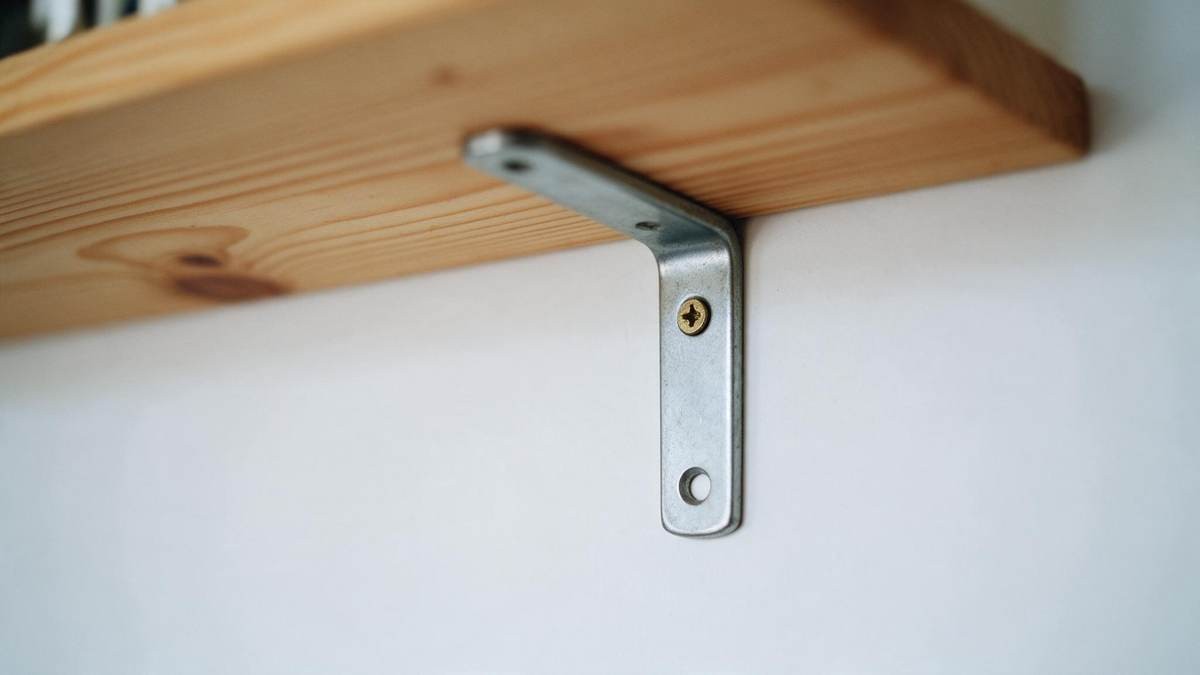 Only one screw in this bracket?Follow written instructions after leaving the screenYou have just set the screen down on the workbench and turned toward the wall where the bracket should go. Your hands are already reaching for the first screw, but the next step has slipped somewhere between the page and your fingers.
 Can’t recall the paragraph you just read?Why a finished paragraph is already hard to recallYou set the page down on the arm of the sofa, sure you caught the point, and then the phone rings. By the time you look back, the one sentence you needed has gone smooth and blank.
 New terms keep slipping? There’s a patternRemember unfamiliar terms in a new subjectThe page is open in front of you, and your finger rests on a word that has stopped the sentence cold. You read it twice, and it still sits there like a locked door.
 Cardinal pulls you off the page?When your eyes keep reading but your mind wandersYour partner looks over and says you have been on the same page for ten minutes. You glance down and realize the lamp has been on, the room has gone quiet, and the paragraph in front of you might as well be in another language.
 Read fast, retain little? Look hereReading quickly but retaining littleYour thumb is already moving down the screen, the words sliding past in neat blocks, and the bottom of the page arrives sooner than you expected.
 Why the point you read disappears?Recall the useful point of an article the next dayYou were about to explain it to someone, and the sentence died on your tongue. The article had given you something clean and usable, but overnight it softened into a feeling of having known.
 Familiar but unexplainable? There’s a patternWhy a passage feels familiar but is hard to explainYour colleague is halfway through explaining what the passage argued, and you realize their version has no conditions, no caveats, just a bare conclusion. You nod, because it sounds right, but something load-bearing is missing.
 Back to the same spot again?Why you keep rereading the same paragraphYou reach the end of the paragraph and realize your eyes have been moving while your mind was somewhere else entirely. The lamp is still on, the page still open, and you have no idea what the last four sentences said.
 Forgot the page? Recall has a patternTest your recall after reading without a quizThe page is closed and the room has gone quiet, but when you try to say what you just read, the words come out thinner than you expected.