You are halfway through a sentence when the thread snaps. The other person is still talking, but the name you need has slid somewhere out of reach, and you are left nodding while your mind rifles through empty rooms. It is not that the name was never there; it is that the path to it has gone dark. So what is memory, really, and which part of remembering actually failed?
 What makes memories stick? Here is whyThe memory slip you keep havingWatch the video to see the one approach that fits the slip you keep repeating.
Most forgetting is not one problem. It is a chain with separate links: noticing something in the first place, holding it briefly, storing it, and pulling it back later. A lapse can happen at any link, and the fix depends on which one failed. The practical answer is to stop asking why your memory is bad and start asking which step broke, because a name that will not surface, a page you just read and lost, and an errand that evaporated mid-corridor are three different failures with three different responses.
One boundary belongs up front. Occasional slips are common at any age, but a change that is persistent, getting worse, or disrupting daily life is a reason to see a doctor rather than a reason to hunt for a single cause online. Sudden confusion is different again and needs urgent care. Everything below is for the ordinary kind of forgetting, the kind worth sorting before worrying.
A simple map of how remembering works
The map has four stations: noticing, holding, storing, and retrieving. Noticing is the intake step, the moment a detail either registers or slides past while attention is elsewhere. Holding is the short workspace where you keep a phone number or a half-finished sentence alive for seconds or minutes. Storing is what lets a fact survive the day, and retrieving is the separate act of pulling it back when you need it. MedlinePlus describes memory as storing information and then remembering it, with short-term memory holding things for seconds or minutes and long-term memory keeping them longer. A lapse can live at any station, and each station suggests a different next question.
Recognition sits slightly apart from retrieval. You can greet a neighbor warmly, certain you know them, while their name refuses to surface. The stored record of the face is intact enough to trigger familiarity, yet the specific label will not come. That split is one reason a vague worry about a bad memory is so hard to act on: the same person can have solid recognition, weak name retrieval, and flawless storage of last week’s errands all at once. Sorting the lapse by station turns a fog of concern into a smaller, answerable question.
When you can describe a lapse precisely but the same kind of gap keeps turning up on different days, watch the full video presenting one approach to improving memory for recurring slips like these.
Three lapses, three different weak points
You blank on a colleague’s name the moment you need to introduce her. This is usually a retrieval problem, not a storage failure: the name went in, you have used it before, and it may pop up uninvited an hour later. The useful move is to give retrieval more than one path. When you first hear a name, say it back, attach it to something concrete about the person, and use it once more before the conversation ends. If it still vanishes later, treat that as a cue problem rather than proof the name is gone, and ask a mutual contact or check a message thread instead of declaring your memory broken.
Match the lapse to the fix
- If a name will not surface, then give retrieval more than one path
- If a page just read is lost, then shrink the unit and state the point
- If an errand evaporates mid-corridor, then anchor it to a doorway cue
You read a page, reach the bottom, and cannot say what it argued. Here the weak point is usually noticing and holding, not long-term storage: your eyes moved while your attention rode along with a notification, a noise, or your own thoughts. The useful move is to shrink the unit. Stop after a section, look away, and state the point in one sentence before continuing. If you cannot, the problem happened at intake, and rereading the same way will likely repeat it. Slowing the first pass or removing the competing input targets the actual station that failed.
You walk to the kitchen to fetch your glasses and arrive holding nothing, the errand gone. This is an intention problem: the plan was formed but never got a reliable trigger to fire at the right moment. Researchers who study prospective memory describe it as forming an intention, retaining it through a delay, and retrieving it when the time comes, and the kitchen trip shows how thin that chain can be. The useful move is to anchor the intention to something you will definitely encounter, such as saying the errand aloud while looking at the doorway, so the cue travels with you.
When the problem started before you noticed
Before blaming memory for a gap, it is worth asking whether the detail was ever really taken in. If you were reading a text while someone told you the Wi-Fi password, the later blank may reflect weak registration rather than a lost memory, and the difference matters because the fixes differ. The distinction between forgetting something and never noticing it well is the difference between needing a better cue and needing a better first moment. You cannot retrieve what never arrived.
The same sorting applies to how long the information must survive. Holding a new door code for the ten seconds until you reach the keypad is a different task from remembering it next month, and confusing the two leads to the wrong remedy. The gap between briefly holding a detail and keeping it over time explains why a code can feel solid in the hallway and be gone by the weekend. Short holding is fragile and easily wiped by interruption; longer storage usually needs the detail to be revisited or used after the first encounter.
A third trap is mistaking familiarity for command of the material. Reading the same explanation three times makes it look fluent and known, yet when someone asks you to explain it without the page, the words are not there. The ease of recognizing repeated material without being able to recall it is why rereading can feel productive while leaving little behind. A rough self-check, closing the page and stating the point aloud, tells you which of the two you actually have.
Patterns that deserve a professional conversation
Ordinary lapses stay ordinary when they are occasional, scattered across different tasks, and roughly stable over the years. The NHS notes that most people forget things from time to time, and that memory slips can simply be part of getting older. Context matters too: sleep deficiency can leave people missing information and making more mistakes, and a run of short nights can make anyone’s recall look worse without anything deeper going on. The pattern worth watching is different, a change that persists, worsens, or starts interfering with day-to-day life.
That pattern deserves a professional conversation rather than a self-diagnosis. The NHS advises seeing a doctor if memory problems keep recurring or affect daily life, and MedlinePlus lists warning signs such as forgetting how to use your phone or find your way home as reasons to consult a health care provider. The question of when persistent changes need an assessment is not one this page can settle, and neither can any video. A clinician will ask questions, may bring in a specialist, and can look for treatable causes, which is exactly why early checking is recommended rather than feared.
If you do book that conversation, arriving with concrete examples helps more than arriving with a conclusion. Note what was forgotten, when, and what else was happening, because a doctor trying to find the cause will ask exactly those questions, and bringing someone who can describe the changes is often useful. Sudden confusion is a separate case entirely and calls for urgent help rather than observation. For everything slower and milder, the practical next step is the same: pick the one station from the map that keeps failing, and test a small change aimed at that station this week.
That is where this article stops and the wider question starts, so watch the full video and take it from there.
In this section
- Record a useful pattern of memory slips
- Forgetfulness: which slips are normal age-related memory loss, and which deserve a closer look
- Cognitive function: the 6 abilities it covers, and which ones change as you age
- Remembering an event versus knowing a fact
- How to remember something you forgot: why a cue works better than effort
- Brain Parts and Functions: A Labeled Diagram, and the Parts You Use to Remember
- Why you may remember an emotional event but lose details
- Short-term memory loss in old age: why yesterday fades while old stories stay sharp
- Why trying to recall can help learning
- Sudden memory loss or confusion: what to do right now, and what it can mean
- What a Real Human Brain Looks Like, and the Seahorse-Shaped Part Behind New Memories
Every note on Everyday slips
How memory works
 The real reason you pause mid-moveCognitive function: the 6 abilities it covers, and which ones change as you ageYou are standing in the kitchen, holding your phone, and you cannot remember why you walked in here. The kettle is still cold, so it was not for tea.
 The real reason thoughts vanish hereWorking Memory: What It Is, and Why One Interruption Can Wipe It CleanWorking memory is the mental scratchpad that holds information for immediate use. Learn why one interruption can wipe it clean and what to do when a code or.
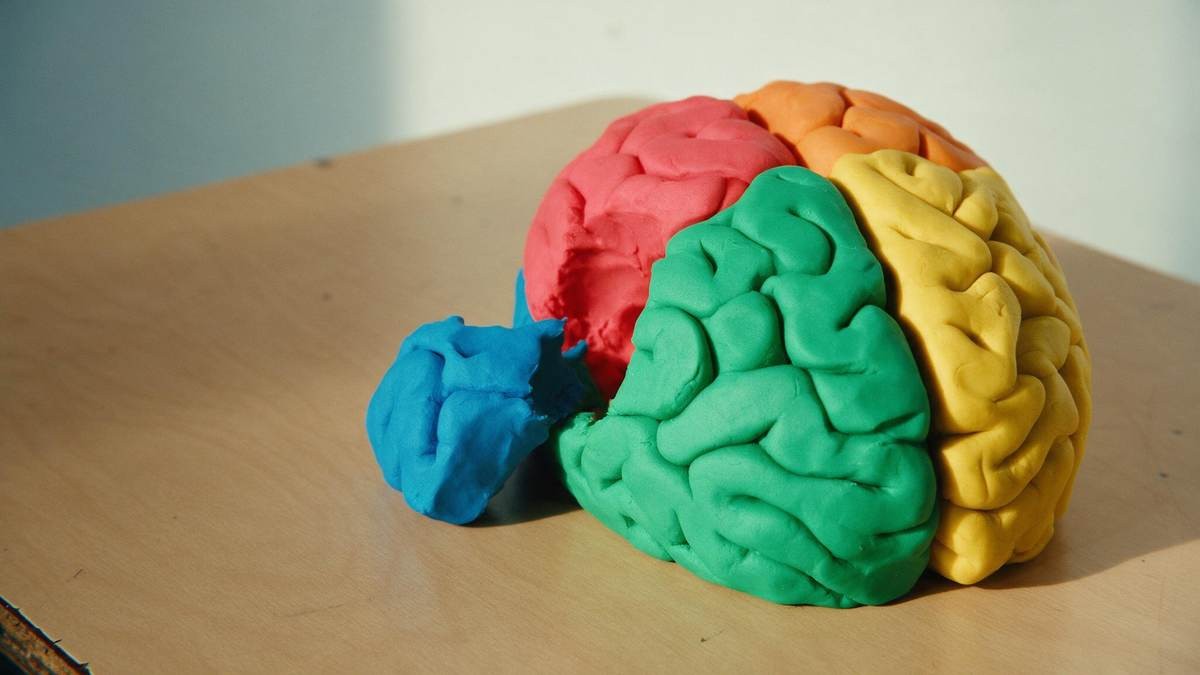 Which part of this brain remembers?Brain Parts and Functions: A Labeled Diagram, and the Parts You Use to RememberYou are standing at the kitchen counter with your phone in one hand, the grocery list open, and no idea why you walked in. You retrace your steps. The reason does not come. This is not a character flaw.
 Window down? The slip starts earlierWhat does absent-minded mean? Why the slip happens before memory even startsWhat does absent minded mean? Learn why the slip often happens before memory starts, and how to tell failed attention from true forgetting.
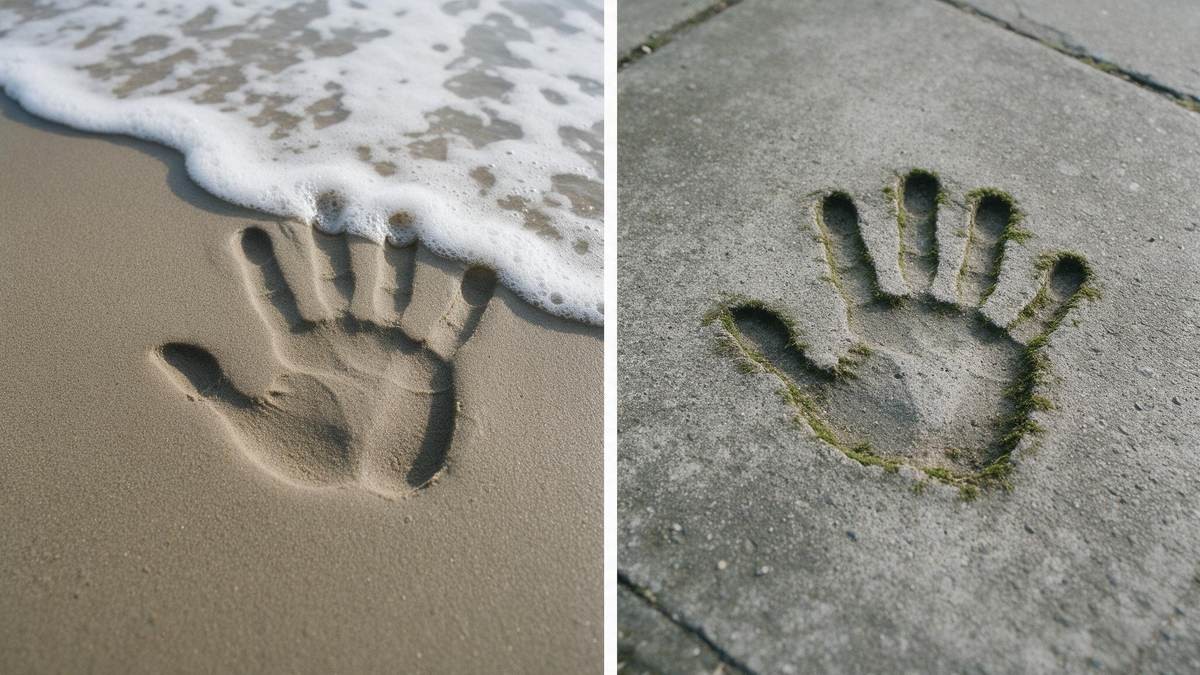 Which of these handprints lasts?Short-Term vs Long-Term Memory: How Each One Works, and Which Kind of Loss Is More WorryingHow short term memory works, why it differs from long term memory, and which kind of loss is more worrying. Learn what each system does and when to seek help.
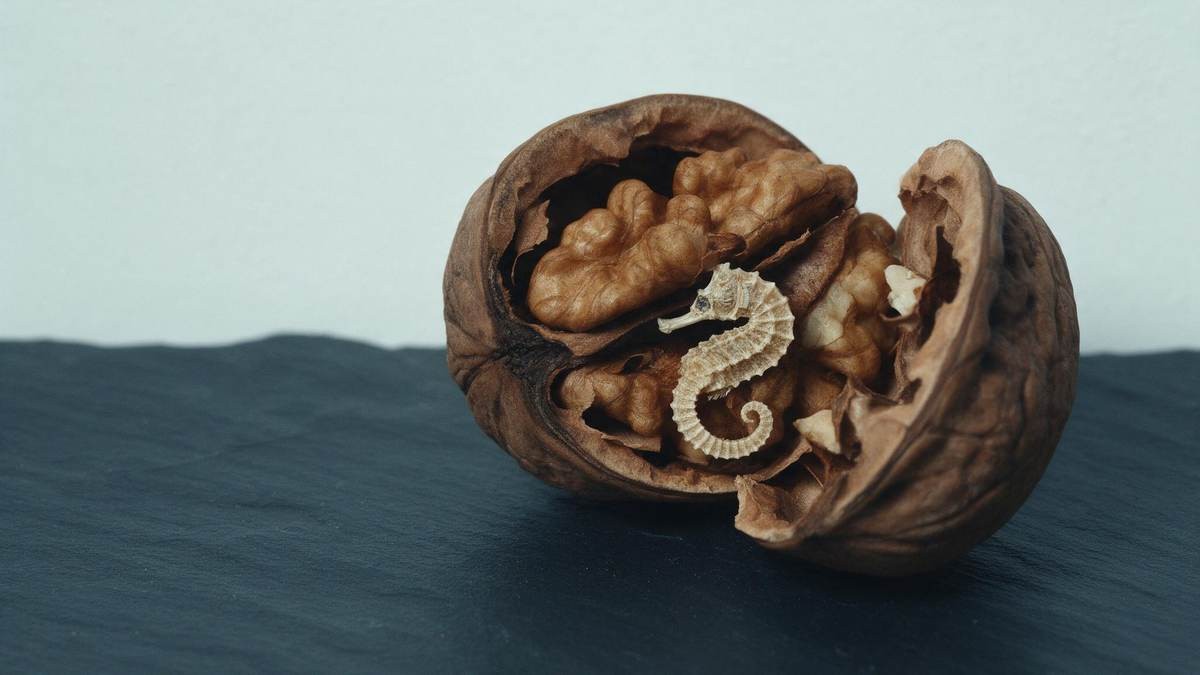 New memories and the hippocampus?What a Real Human Brain Looks Like, and the Seahorse-Shaped Part Behind New MemoriesYour browser is stacked with gallery tabs, and a handwritten list of structures sits beside the keyboard, half crossed out.What makes memories stick? Here is whyWhat Is Memory? The 3 Steps Behind Everything You Remember (and Forget)What is memory? Learn the three steps behind everything you remember and forget, and discover which part of remembering fails when a name slips away.
 Why can’t I remember it?How to remember something you forgot: why a cue works better than effortHow to remember things you forgot by using cues that were present when the memory formed, not by trying harder. Learn why a cue works better than effort.
 Why this dance stays but details don’tWhy you may remember an emotional event but lose detailsThe photograph in your hand shows a birthday, a hospital corridor, a car by the side of the road. You know you were there, you can feel the weight of the moment, but you cannot say who stood to your left or what was said just before.
 Can’t recall events but know facts?Remembering an event versus knowing a factYou reach for the light switch and your hand pauses halfway, certain you have done this a thousand times yet unable to picture this morning’s motion.
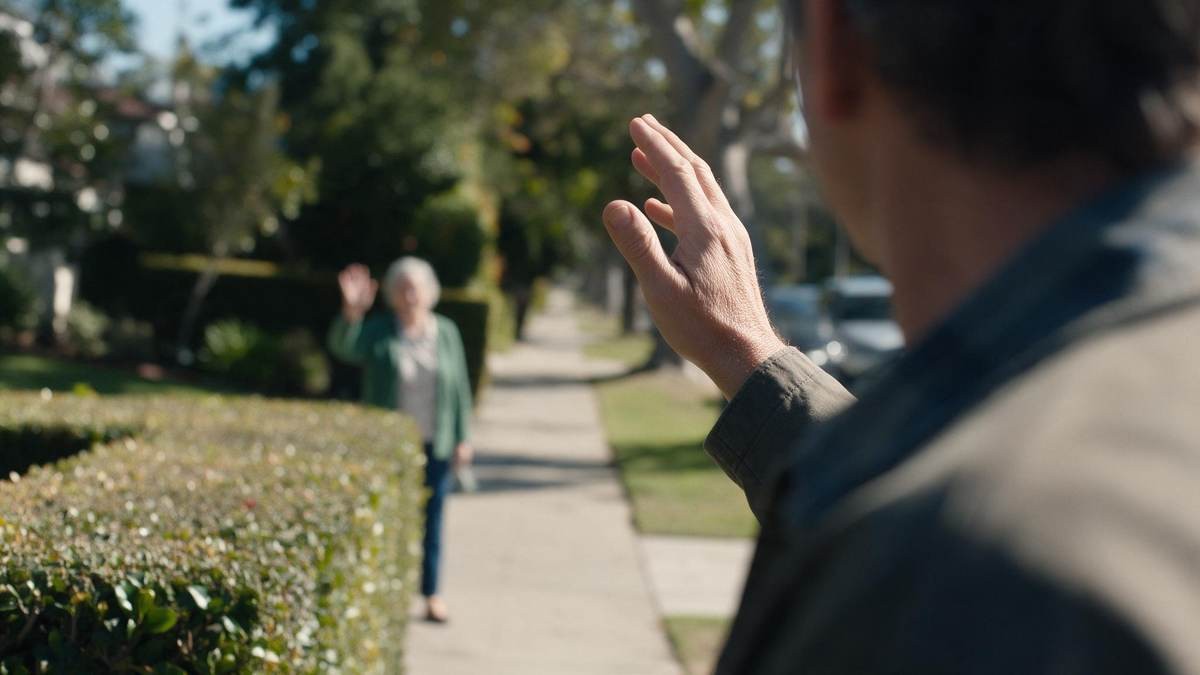 Know it but can’t recall it?Why repetition can create familiarity without recallMidway through your friend saying the neighbor’s name, it lands: of course, I know her, and the conversation rolls on. A block later you are asked for that same name and nothing comes, though the face itself is perfectly clear.
Plans & interruptions
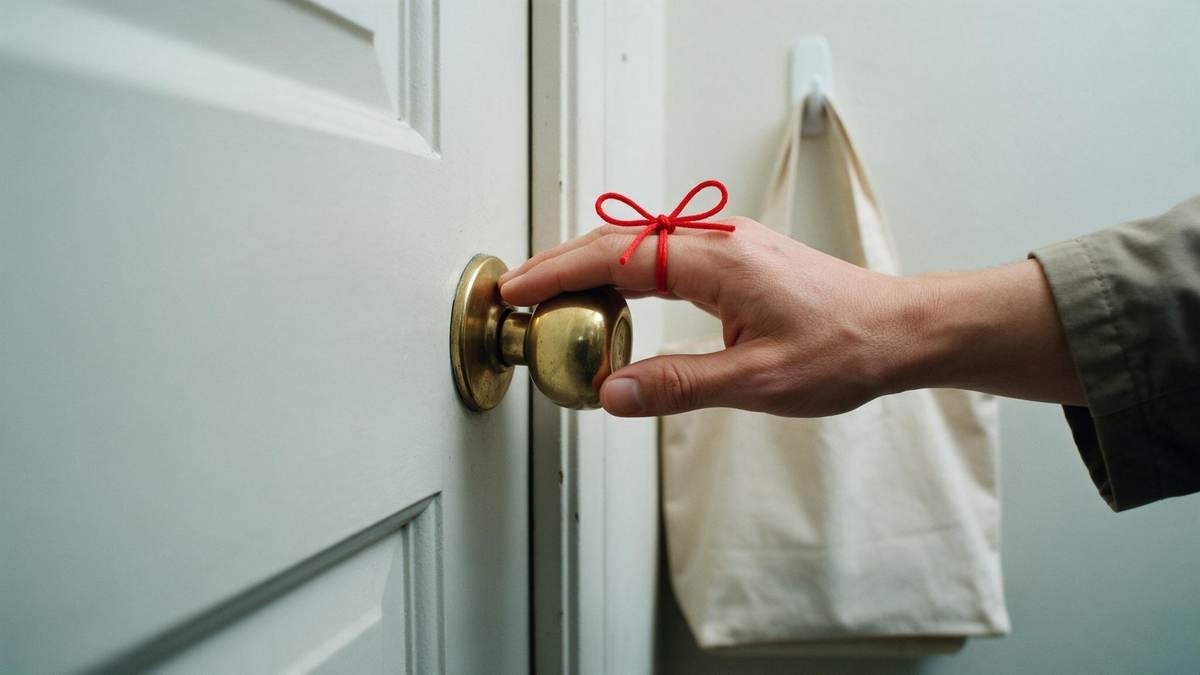 Forget what you meant to do?Prospective Memory: Why You Forget Things You Fully Meant to DoYou open your phone notes and find three lines you wrote this morning, each one a promise you meant to keep, none of them carrying the moment it was supposed to happen.
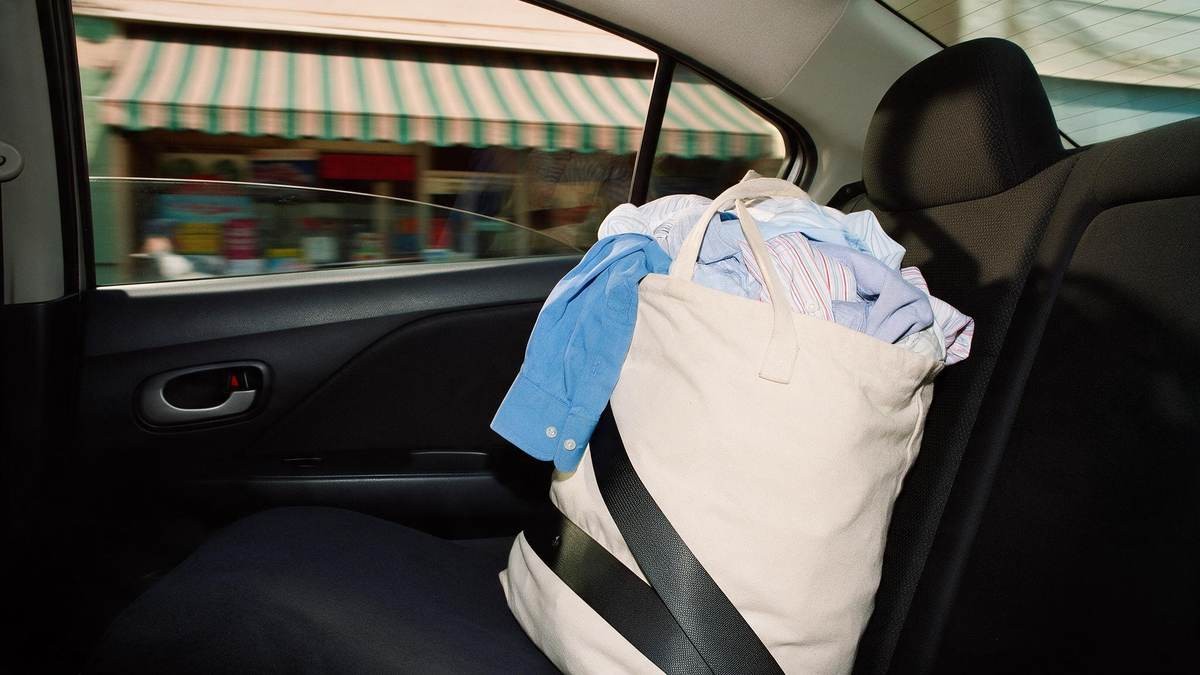 Forget errands until you get home?Remember an errand when you pass the right placeYou had the words ready: the parcel, the prescription, the letter to post. Then the shopfront slid past and the sentence died in your throat. The errand was never the problem. The moment was.
 Why this can stayed full?Why a plan made now may vanish laterYou are holding your phone with a half-typed message still on the screen, thumb resting where send should have been. Somewhere between the thought and the motion, the moment slipped. The plan is still there, whole and waiting.
 Why did you stop halfway up?Forgetting what you were about to doYour colleague glances up from their screen and asks if you’re alright, because you’ve been standing beside your chair for ten seconds with your coat half-on.
 What was I going to search?Forgetting what you meant to search after unlocking a phoneThe lock clicks, and in that half-second of screen glow the question you were carrying simply isn’t there anymore. Your thumb hovers over the search field, but the words have gone somewhere you can’t reach.
 Trouble sticking to your plans?Use an if-then cue for a future actionYou are already halfway down the driveway when the thought surfaces: the dry cleaning. You glance at the rearview mirror, then at the clock on the dash, and the errand slips behind you like a street you meant to turn down.
 You forgot mid-task? It is not ageRemembering what you meant to doYou tap the light switch in the hallway and the reason you came upstairs is gone. The first time it happened you laughed it off, but now you are standing by the wardrobe with a half-formed errand and no thread to pull.
 Lost your place mid-task?Recover an interrupted sequence of stepsThe watering can is out, but the plants are not wet. You were halfway through a routine that felt obvious ten minutes ago, and now the order has gone soft. The doorbell rang, or the phone lit up, and the thread simply snapped.
 Forgot something? This stands at the doorRemember to take an item when leaving homeThe front door clicks shut behind you and the sound lands like a small verdict. You are already three steps down the path when the thought arrives: the parcel, still on the hall table.
 These two cans and your missed callRemember to return a call laterYou said “I’ll call you back” and meant it. Then the doorbell rang, the afternoon filled up, and by nine o’clock the promise had dissolved into a vague guilt with no name attached.
 Wet laundry still in here?Remember to finish a task after waiting for somethingThe beep comes from the other room, thin and insistent, and for a second you cannot place which machine made it. You are halfway through something else, your hands full, your attention already committed.
 Peeling stopped, phone took overReturn to a task after a phone notificationThe banner slides down, you read it, you swipe it away, and in the ten seconds that took, the task you were in the middle of has quietly lost its shape. You know you were doing something. The screen in front of you even shows it.
 Forgot the task after switching tabs?Why switching browser tabs can erase the task goalYour colleague glances over and asks what you were about to do, and you realize the answer has vanished. The cursor blinks on a page you opened seconds ago, yet the reason for opening it feels like a word on the tip of your tongue.
Words & names
 Why won’t the word come out?Tip of the Tongue Phenomenon: Why a Word You Know Won’t Come OutUnderstand the tip of the tongue phenomenon, why a known word won’t come out, and how to keep talking without guessing a wrong answer.
 Losing words mid-sentence?Forgetting Words Mid-Sentence? Why Word-Finding Difficulty Happens, and What HelpsForgetting words mid-sentence is common. Learn why word-finding difficulty happens, what it means for your memory, and simple ways to respond when a word will not.
 Miss the name at the handshake?How to Remember Names: What to Do in the Moment Someone Introduces ThemselvesLearn how to remember names with a simple move in the moment someone introduces themselves, and what to do when the name still slips away.
 Can’t recall a familiar name?Forgetting Names of People You Know Well: Why You Can Picture Them and Still Draw a BlankForgetting names of people you know well is common and fixable. Learn why you can picture a face yet draw a blank, and what to do in the moment.
 Names suddenly hard to recall?Why Am I Forgetting Names All of a Sudden? What’s Normal at 40, 50 and BeyondWhy am I forgetting names all of a sudden? Learn what occasional name slips mean at any age, when they are normal, and when a pattern of change is worth discussing.
 Using wrong words when speaking?Using the Wrong Words When Speaking: Everyday Slip or a Sign to Get Checked?You are standing at the kitchen counter with a cold cup of coffee, mid-sentence, and the word you want is spatula. What comes out is spoon. You keep going.
 Why do names slip first?Is there a ‘forgetting names syndrome’? Why names slip more than other wordsIs there a forgetting names syndrome? Learn why names slip more than other words, how memory stores labels differently, and what research shows about face-name recall.
 This friendly face, but whose name?Recognizing a face but missing the nameThe name is right there, balanced on the edge of your tongue, and then the person turns toward you and it slips back into the dark. You can still see the last conversation, the hallway, the exact way they smiled.
 Stress making you lose words?Can stress make it harder to find words?You are staring at the half-typed message, the cursor blinking where a familiar word should be. The sentence was going somewhere, and now it is stuck on a blank you cannot fill.
 Know the face but not the name?Retrieve a person’s name without guessing aloudThe person across from you is mid-sentence, and you are nodding along while a single word sits just out of reach. You can picture their office, the project you last discussed, even the scarf they wore in March.
 Waving back without knowing her nameRecall a new name the next dayThe screen glows with a draft you cannot send. The greeting line sits empty, and every name that drifts up feels like a wrong turn waiting to happen. Yesterday the introduction felt solid, the handshake firm, the name used twice.
 More names while you shake this hand?Keep several new names straight in a groupThe host finishes the round of introductions and the room goes quiet for half a second. You are holding four names that already feel like they are sliding off a wet counter.
 Forgot a word, then it came back?Why a missing word comes back laterSomeone has just asked you the name of that actor, the one with the narrow face from the series you both watched last winter, and the word simply is not there.
 Name on the tip of tongue?Why familiar words and names slip awayYou are mid-sentence, the other person leaning in, and the word you were about to say has simply left the room. Your hands keep moving, your face holds the expression of someone still speaking, but the label is gone.
Things & places
 Keep losing the same thing?How to Find Something You Lost: Why It Vanished, and Where to Look FirstBy the second time it happens, you are emptying the bag onto the hall table before you have even decided to leave, keys gripped in your hand from the bedroom to the door because setting them down has become a cost.
 The real reason you blank at doorwaysThe Doorway Effect: Why You Walk Into a Room and Forget What You Came ForThe doorway effect explained: why you walk into a room and forget what you came for, what the research really shows, and how to recover the errand.
 Why these keys ended up here?Why Do I Keep Losing Things? The Moment You Put It Down Without NoticingWhy do I keep losing things? Learn how the set-down moment gets missed when your attention is elsewhere, and how to retrace your last confirmed action to find.
 Which of these baskets holds it?Find an item stored months agoYou are holding the box, and the box is the wrong one. The tape is still smooth under your thumb, the way it was the day you sealed it, and that is the whole problem: everything about this moment says careful, but nothing says where.
 Where your scissors end up after tidyingWhy an item disappears right after tidyingThe scissors are not in the drawer where they have lived for three years. You stand at the cleared desk, one hand still resting on the empty spot beside the tape dispenser, and the room looks calm in a way that feels like a trick.
 Keys slipping off a full hand?Misplacing an item while carrying several thingsYour partner watches you pat your jacket pockets for the third time, then points toward the hallway table. The keys are sitting there, right beside the door you opened ten minutes ago. You never felt yourself put them down.
 Missing what’s in plain sight?Why a missing object can be in plain sightThe red-handled scissors are not on the counter where you left them. You check the counter twice, then the drawer, then the counter again, and each pass makes the absence feel more certain.
 Too much on one peg?Give keys and other daily items one reliable home“It’s on the radiator shelf,” your partner calls from the hallway, and you already know the keys are not there. You check the kitchen island, then the windowsill by the back door, and the familiar heat of a wasted evening starts to rise.
 This cord, but no phone?Why the phone ends up in an unexpected roomYou are halfway through folding a basket of laundry when your hand reaches for the phone that is no longer on the arm of the sofa. The last hour feels whole, yet the phone has slipped out of it like a word you almost said.
 Did you leave it in this row?Remember where you parked a carThe cashier is still talking, but you are already scanning the lot through the glass doors, trying to picture which row you left it in.
 Ring still on the soap?Retrace the last context to find a missing objectYour partner pauses in the hallway, keys already in hand, and asks where you left the library book. You open your mouth to answer and find nothing there.
 Where did this hammer go again?Keep track of shared household itemsThe tape measure is in your hand, and you are halfway across the flat when you set it down on the hall table to answer a knock at the door. An hour later it is gone, and the person you live with is quietly certain you moved it.
 Have you looked under these cushions?Search systematically instead of checking the same spots againYou are back at the same shelf for the third time, and your hand pauses before it touches anything. The hallway light is still on from the last pass, and the bag you carried in sits untouched by the door.
Routines and reminders
 The real reason reminders get skippedWays to Remember Things You Need to Do: Why Some Reminders Work and Others Get IgnoredWays to remember things you need to do, sorted by why each reminder failed. Learn which fix matches a missed cue, a useless alert, or a task you cannot confirm.
 Is this deadbolt locked or not?Remember whether you locked the doorYou were halfway through saying it when the sentence died in your throat: the door, the key, the turn. The hallway light was already off and your coat was on, but the image of the lock refused to sharpen.
 Left this lunch behind again?Build a short leaving-home checklistYour hand is on the door handle, bag over one shoulder, and the familiar weight of keys and phone sits in your pocket. You have done this a hundred times.
 Calendar or task list?Use a calendar and a task list for different jobsYou were about to say it out loud, the thing you forgot, and then the phone rang and it was gone. The hallway mirror catches you patting your pockets for a slip of paper that is not there.
 Does this glow mean it’s on?Remember whether an appliance was turned offYour hand is already on the door handle, keys pressing into your palm, when the question arrives: did you actually turn it off?
 Do event cues beat alarms?Choose an event cue or a clock alarmThe phone buzzes on the arm of the sofa, but your hands are wrist-deep in soapy water and the screen is just out of reach. By the time you dry them, the moment has passed and the thought has gone with it.
 Why does this reminder keep slipping off?Why reminder alarms become easy to ignoreThe phone is in your hand, screen lit, and the words are right there in front of you. You read them, your thumb moves, and the alert is gone before you have decided anything at all.
 Did I feed this cat twice?Know whether a routine step was already doneYour hand pauses halfway to the laundry basket, a folded shirt still warm in your grip. The drawers are shut, the bed is clear, and yet the last ten minutes have gone blank.
 Too many reminders?Reduce a crowded reminder listSomeone has just asked if you remembered to do the thing you definitely wrote down. You open the app and find forty-one alerts, three of them for the same dentist, none of them telling you what to actually do next.
 Is it still on the roof?Remember documents needed for an errandThe receptionist is already saying it: “Do you have the letter?” Your hand hovers over the bag, and you realize the answer is a guess. The appointment was never the problem. The paper was.
 No one showed for this chair?Remember appointments without constant checkingYou were about to say it: yes, I know, I’ve got it. The phone buzzes, the words appear, and you swipe them away because the appointment feels obvious.
 Did this bin miss the pickup again?Remember a household task that happens weeklyThe bin lorry has just rumbled past, and the street settles back into quiet. You are at the front door, one hand on the handle, trying to remember whether the recycling actually went out last night.
 Pill left on the toothbrush again?Set a reminder when you can actually actSomeone across the table is still talking, but your hand is already in your pocket, thumb swiping the alert away before the sentence finishes.
Conversations
 Does your conversation stop like this?Losing Your Train of Thought Mid-Conversation: Why It Happens and How to Pick It Back UpLosing your train of thought mid-conversation is common. Learn why it happens and simple ways to pick the thread back up without derailing the talk.
 Forget what someone just said?Forgetting what someone just told youYou were about to answer, and the name was right there on your tongue. Then the person finished speaking, and the name simply wasn’t. You nod as if it will come back, but the next sentence is already arriving, and the gap is widening.
 His lips part but nothing comesForgetting what you were about to sayYou are a few sentences into someone else’s point and you have yours ready.
 Why your talk tangles like thisWhy background noise breaks a conversation’s threadWhen a conversation competes with background noise, the first thing to check is the listening conditions, not your memory.
 Off track mid-chat? Read this firstHow to keep and recover a conversation’s threadThe kettle has just clicked off in the next room, and the person across from you is still speaking. You caught the first half of their sentence, but somewhere between the click and now, the thread has slipped.
 Three talking at once. Who is speaking?Follow a conversation with several speakersThe room moves on while you are still trying to place a sentence. Someone across the table says, “That plan will not work,” and by the time you look up, the speaker has already turned to someone else.
 Struggling to follow conversations?Hearing the words but missing the conversation’s meaningYou can hear every word someone says and still come away with nothing. The sentence was audible, the voice was clear enough, and yet a moment later you could not say what was actually meant.
 Blurting before they finish speaking?Keep your response in mind while someone finishes speakingThe other person is mid-sentence, and your reply has already arrived, fully formed and pressing against the inside of your attention.
 Your argument lands like this dart?Why an emotional exchange can make you lose your pointYou are mid-argument, the other person is still talking, and the sentence you were about to say has simply gone. Not softened, not delayed, gone.
 What was agreed in this handshake?Recall what was agreed in a conversation laterYou start typing the reply you are sure you already gave, that the draft is due Friday and the booking was theirs, then you stop, because the conversation was days ago and the wording has gone soft.
 Reached for this pencil yet?Remember the useful details from a phone callThe pen is on the wrong side of the desk again, next to a half-closed drawer, and the phone is already back in your pocket. You can still hear the other person’s voice saying Thursday, but the word has started to blur at the edges.
 Forgot which of these roads?Hold spoken directions long enough to act on themThe voice stops and the room goes quiet. You are holding the first two steps, but the third is already gone, and the fourth never arrived. That silence is where the trouble lives.
 Lost your train of thought?Resume a conversation after an interruptionThe room goes quiet the moment the door clicks shut. You were mid-sentence, one hand still raised to make a point, and now the thread hangs in the air between you.
Everything on Everyday slips →
▶ Watch the memory video